
5801 W 44th Ave Unit C, Denver, CO 80212, United States

Are Dental Implants Painful?
Posted On June 28, 2024
Dental implants are a popular solution for replacing missing teeth, offering a durable and natural-looking alternative to dentures and bridges. However, one of the most common concerns people have is whether the procedure is painful. In this blog, we will explore the various aspects of dental implant pain, from the procedure itself to the recovery period, and provide insights to help you understand what to expect.
Understanding the Dental Implant Procedure
What Happens During the Procedure?
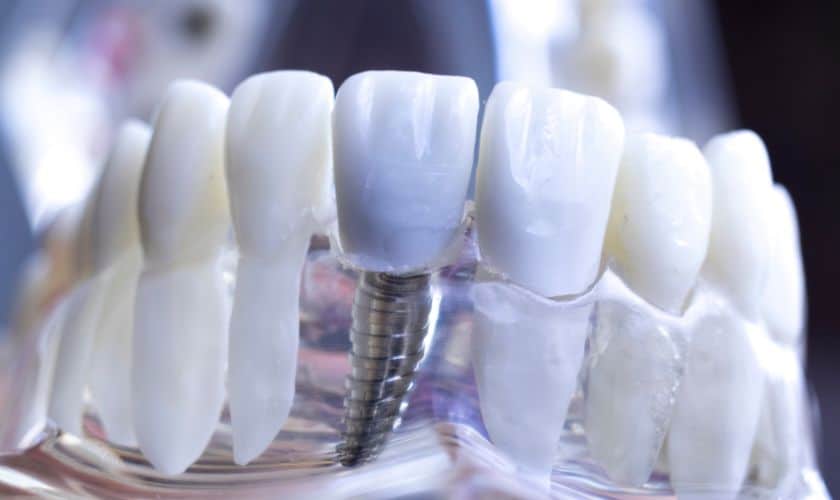
Dental implants involve surgically placing a titanium post into the jawbone, which acts as a replacement root for the missing tooth. This procedure is typically done under local anesthesia, ensuring that the patient does not feel pain during the surgery. Some discomfort may be experienced as the anesthesia wears off, but this is usually manageable with over-the-counter pain medication.
How Long Does the Procedure Take?
The duration of the dental implant procedure can vary depending on the number of implants being placed and the complexity of the case. Generally, the surgery can take between one to two hours per implant. This includes the time needed for preparing the site, placing the implant, and closing the incision.
Is Sedation an Option?
For patients who are particularly anxious about the procedure, sedation options are available. Sedation can help alleviate anxiety and ensure a more comfortable experience. Options include oral sedation, intravenous (IV) sedation, and general anesthesia. Your dentist will discuss these options with you to determine the best choice for your needs.
Managing Pain After Dental Implant Surgery
Immediate Post-Surgery Discomfort
After the surgery, it is normal to experience some discomfort and swelling in the affected area. This is a natural response to the surgical procedure and should subside within a few days. Applying an ice pack to the outside of the jaw can help reduce swelling and alleviate pain.
Pain Medication and Management
Your dentist will likely prescribe pain medication to help manage any post-surgery discomfort. It is important to follow the prescribed dosage and schedule to ensure effective pain relief. Over-the-counter pain relievers, such as ibuprofen or acetaminophen, can also be used as needed.
Tips for Reducing Pain
- Rest: Avoid strenuous activities and get plenty of rest to help your body heal.
- Soft Diet: Stick to soft foods for the first few days to avoid irritating the surgical site.
- Good Oral Hygiene: Follow your dentist’s instructions for keeping the area clean to prevent infection.
- Avoid Smoking and Alcohol: These can impede the healing process and increase the risk of complications.
When to Contact Your Dentist
While some discomfort is normal, severe pain or signs of infection (such as excessive swelling, fever, or pus) should be reported to your dentist immediately. Prompt treatment can prevent complications and ensure a smoother recovery.
Long-Term Comfort with Dental Implants
Adjusting to Dental Implants
Once the initial healing period is over, most patients find that their dental implants feel very natural and comfortable. The implant integrates with the jawbone, providing a stable foundation for the artificial tooth. This process, known as osseointegration, typically takes several months to complete.
Potential Complications
In rare cases, patients may experience complications such as implant failure or nerve damage. Implant failure can occur if the implant does not properly integrate with the bone or if an infection develops. Nerve damage, while uncommon, can result in persistent pain or numbness. Regular follow-up appointments with your dentist can help monitor the implant and address any issues early on.
Maintaining Your Implants
Proper care and maintenance are crucial for the long-term success of dental implants. This includes regular brushing and flossing, as well as routine dental check-ups. Your dentist will provide specific instructions on how to care for your implants to ensure their longevity.
Comparing Dental Implants to Other Tooth Replacement Options
Compared to dentures and bridges, dental implants offer several advantages, including improved comfort and functionality. While dentures can cause sore spots and require regular adjustments, implants provide a more permanent and stable solution. Additionally, implants help preserve the jawbone and prevent the bone loss that can occur with missing teeth.
Cost and Investment
The cost of dental implants can be higher than other tooth replacement options, but many patients find the investment worthwhile due to the long-term benefits. Dental implants in Denver, for example, are known for their high success rates and patient satisfaction. Insurance coverage for implants varies, so it is important to check with your provider and discuss payment options with your dentist.
The thought of dental implants can be daunting, especially when it comes to concerns about pain. However, the procedure is generally well-tolerated, and any discomfort can be effectively managed with proper care and medication. By understanding the process and following your dentist’s recommendations, you can look forward to a successful outcome and enjoy the benefits of dental implants in Denver. Whether you need a single tooth replaced or a full set of implants, the long-term comfort and improved quality of life make dental implants a worthwhile consideration.
Share: