
5801 W 44th Ave Unit C, Denver, CO 80212, United States

Most Common Dental Emergencies You Should Know
Posted On July 5, 2024
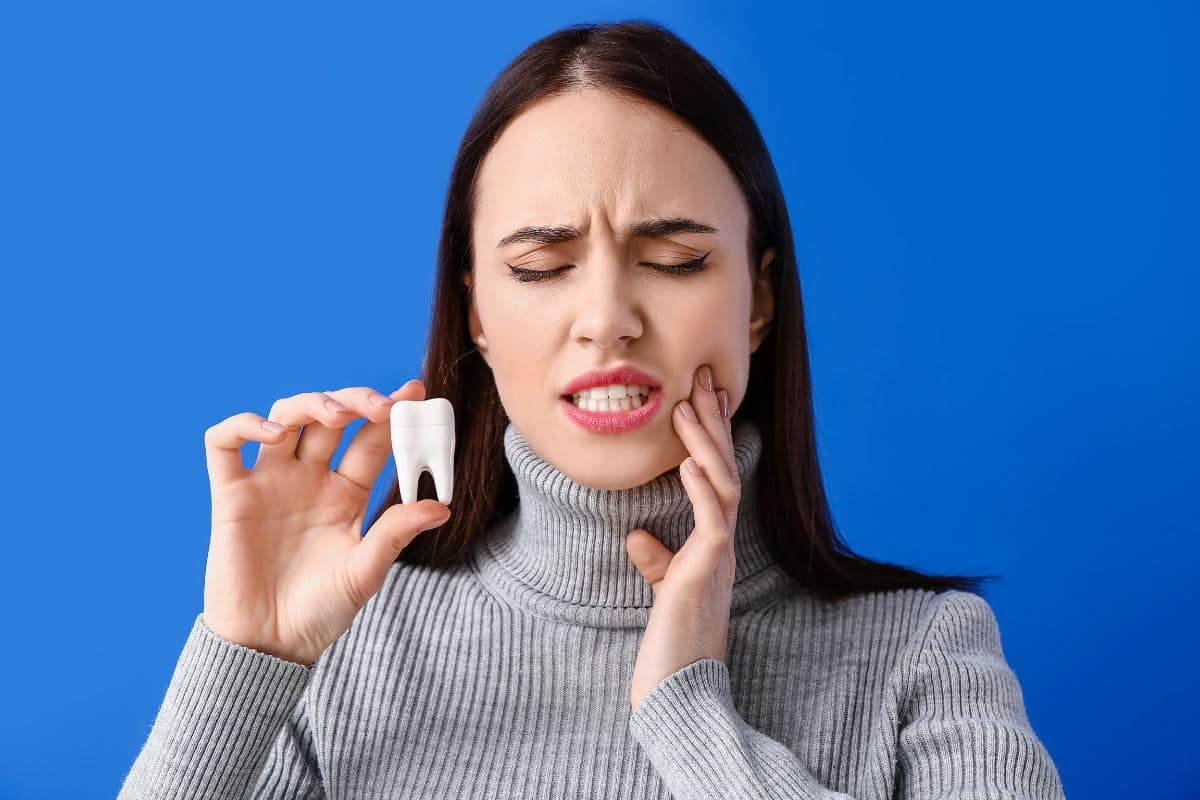
Dental emergencies can strike at any time, often causing pain, discomfort, and stress. Knowing how to identify and respond to these emergencies can make a significant difference in the outcome of the situation. In this blog, we will explore the most common dental emergencies you should be aware of and how to handle them. Whether it’s a toothache, a knocked-out tooth, or a broken dental appliance, being prepared can help you take quick and effective action.
Understanding Dental Emergencies
Dental emergencies encompass a wide range of issues that require immediate attention from an Emergency Dentist in Denver. These situations can arise from accidents, underlying dental conditions, or sudden onset of pain. Recognizing the signs and symptoms of dental emergencies is crucial in ensuring prompt treatment and preventing further complications.
What Constitutes a Dental Emergency?
Not all dental issues are emergencies. However, certain conditions demand urgent care. A dental emergency typically involves severe pain, bleeding, or trauma to the teeth, gums, or jaw. Some common indicators include:
- Intense toothache or swelling
- Severe bleeding from the gums or mouth
- Knocked-out or broken teeth
- Abscesses or infections
- Injuries to the jaw or facial bones
Common Dental Emergencies and How to Handle Them
In this section, we will delve into the most common dental emergencies and guide how to manage them effectively until you can see an Emergency Dentist in Denver.
Toothache
A toothache can be more than just a minor inconvenience; it can signal a serious underlying issue.
Causes of Toothaches
Toothaches can result from various factors, including:
- Tooth decay
- Gum disease
- Tooth abscess
- Cracked or damaged teeth
Immediate Actions
If you experience a toothache, follow these steps:
- Rinse your mouth with warm water to clean it.
- Use dental floss to remove any trapped food particles.
- Apply a cold compress to the outside of your cheek to reduce swelling.
- Avoid placing aspirin or other painkillers directly on the gums as they can cause burns.
Knocked-Out Tooth
A knocked-out tooth is a serious dental emergency that requires immediate action to save the tooth.
Steps to Take
- Handle the tooth by the crown, not the root, to avoid damage.
- Rinse the tooth gently with water if it’s dirty.
- Try to place the tooth back into its socket if possible.
- If reinsertion is not possible, keep the tooth moist by placing it in milk or a saline solution.
- Seek immediate attention from an Emergency Dentist in Denver.
Broken or Chipped Tooth
A broken or chipped tooth can cause pain and make your tooth vulnerable to infection.
What to Do
- Rinse your mouth with warm water.
- Save any pieces of the tooth if possible.
- Apply a piece of gauze to any bleeding area for about 10 minutes or until the bleeding stops.
- Use a cold compress on the outside of the mouth, cheek, or lip near the broken/chipped tooth to keep swelling down and relieve pain.
Lost Filling or Crown
Losing a filling or crown can leave your tooth exposed and sensitive.
Immediate Care
- Use over-the-counter dental cement or temporary filling material to cover the exposed area if you have it.
- Avoid chewing on the affected side of your mouth.
- Contact an Emergency Dentist in Denver as soon as possible to get the filling or crown replaced.
Abscess
A dental abscess is a serious infection that typically occurs at the root of a tooth or between the gum and a tooth.
Symptoms of an Abscess
- Severe, persistent, throbbing toothache
- Sensitivity to hot and cold
- Swelling in your face or cheek
- Tender, swollen lymph nodes under your jaw or in your neck
What to Do
- Rinse your mouth with a mild saltwater solution to reduce pain and draw the pus to the surface.
- Apply a cold compress to the area to reduce swelling.
- Seek immediate treatment from an Emergency Dentist in Denver to prevent the infection from spreading.
Broken Orthodontics
Broken braces and wires can cause discomfort and even injury inside your mouth.
Handling Broken Braces
- If a wire breaks and is poking into your cheek, use the eraser end of a pencil to push the wire into a more comfortable position.
- If you cannot reposition the wire, cover the end with orthodontic wax, a small cotton ball, or a piece of gauze.
- Avoid cutting the wire, as you might accidentally swallow or inhale the metal fragment.
- See your orthodontist or an Emergency Dentist in Denver for repairs.
Soft Tissue Injuries
Injuries to the soft tissues of the mouth, such as the tongue, cheeks, gums, and lips, can result in bleeding and discomfort.
First Aid Steps
- Rinse your mouth with a mild saltwater solution.
- Use a moistened piece of gauze or a tea bag to apply pressure to the bleeding site.
- Hold in place for 15-20 minutes.
- Apply a cold compress to the outside of the mouth or cheek in the injured area for 5-10 minutes to control bleeding and relieve pain.
- If the bleeding doesn’t stop, seek immediate attention from an Emergency Dentist in Denver.
Extruded (Partially Dislodged) Tooth
If a tooth is partially dislodged (extruded), it requires prompt dental attention.
Immediate Care
- Apply a cold compress to the outside of your mouth or cheek to reduce swelling.
- Take an over-the-counter pain reliever.
- Contact an Emergency Dentist in Denver right away to possibly save the tooth.
Objects Stuck Between Teeth
Sometimes objects can get stuck between teeth, causing discomfort or pain.
How to Remove
- Gently use dental floss to try to remove the object.
- Avoid using sharp objects that could harm your gums or push the object further down.
- If the object cannot be removed, see an Emergency Dentist in Denver for professional help.
Prevention Tips
While not all dental emergencies can be prevented, taking certain precautions can reduce the risk. Here are some tips to help you avoid common dental emergencies:
- Wear a mouthguard during sports activities.
- Avoid chewing hard foods that can crack your teeth.
- Maintain good oral hygiene to prevent infections.
- Schedule regular dental check-ups with your Dentist in Denver.
When to Seek Professional Help
Knowing when to seek professional help is crucial. If you experience severe pain, excessive bleeding, or a knocked-out tooth, it is important to contact an Emergency Dentist in Denver immediately. Prompt treatment can often save a tooth and prevent complications.
Understanding the most common dental emergencies and how to handle them can make a significant difference in your oral health. By following the guidelines provided and seeking prompt care from an Emergency Dentist in Denver, you can ensure the best possible outcome for your dental emergencies.
Share: