
5801 W 44th Ave Unit C, Denver, CO 80212, United States

Can Dental Implants Last a Lifetime?
Posted On July 12, 2024
Dental implants have become a popular solution for replacing missing teeth. They offer a permanent alternative to dentures or bridges and can significantly improve a person’s quality of life. But one common question is: Can dental implants last a lifetime? In this blog, we will explore the factors that influence the longevity of dental implants and discuss how you can ensure that your dental implants in Denver last for years to come.
What Are Dental Implants?
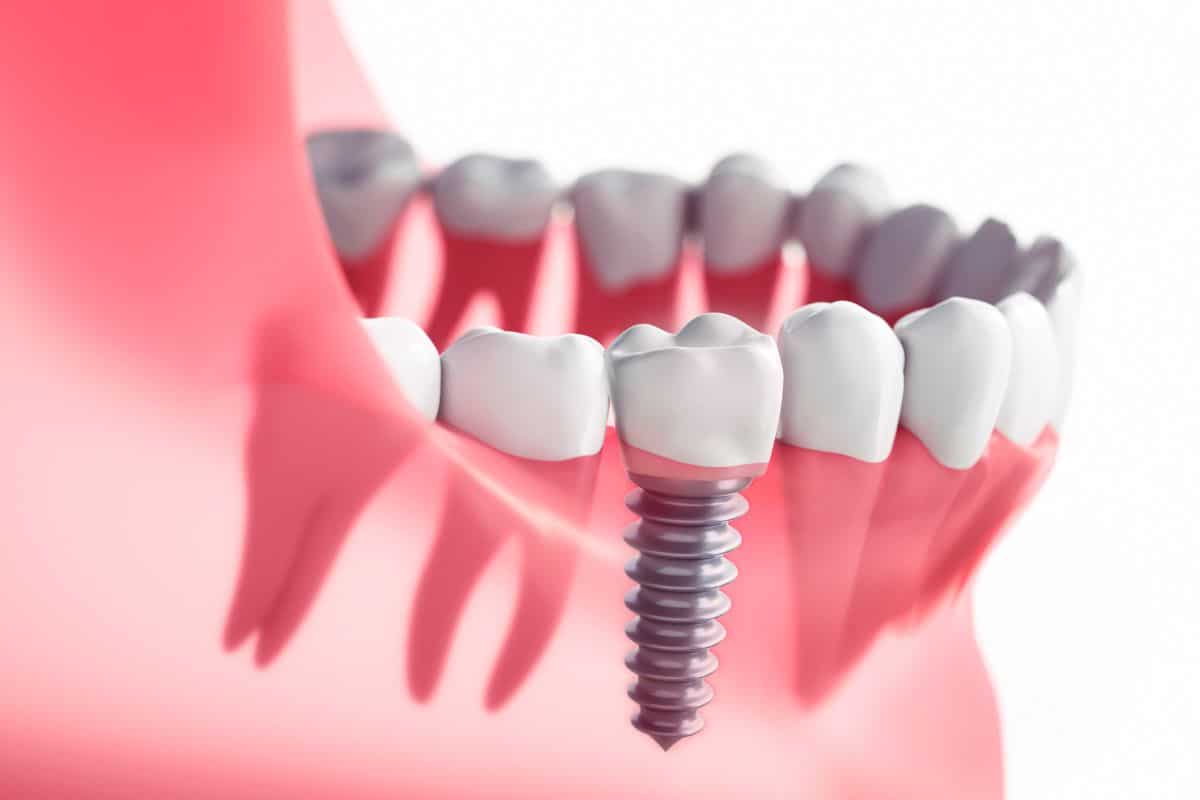
Dental implants are artificial tooth roots made from biocompatible materials, typically titanium, that are surgically placed into the jawbone. They are a foundation for replacement teeth, such as crowns, bridges, or dentures. The implant integrates with the jawbone in osseointegration, providing a stable base for the prosthetic tooth.
There are several components to a dental implant:
- Implant Post: The titanium screw is inserted into the jawbone.
- Abutment: A connector that attaches the implant post to the replacement tooth.
- Crown: The visible part of the implant that mimics the appearance of a natural tooth.
Dental implants in Denver offer a durable and aesthetically pleasing solution for tooth replacement. But how long can you expect them to last? Let’s delve into that question.
Factors Affecting the Longevity of Dental Implants
Several factors can influence the lifespan of dental implants. Understanding these factors can help you maintain your implants and maximize their longevity. Here’s a closer look at what affects the lifespan of dental implants in Denver.
Quality of the Implant and Procedure
The quality of the dental implant materials and the skill of the dental professional play crucial roles in the procedure’s success. High-quality implants and an experienced dentist can significantly impact the length of time your dental implants last.
- Materials: Implants made from high-quality titanium are generally more durable and have a better track record for longevity.
- Professional Expertise: Choosing a skilled dentist for your dental implants in Denver ensures that the procedure is done correctly, which can prevent future complications.
Oral Hygiene and Care
Proper oral hygiene is essential for maintaining dental implants. Neglecting your oral care routine can lead to issues like gum disease, which can threaten the longevity of your implants.
- Brushing and Flossing: Regular brushing and flossing help prevent plaque buildup around the implants, reducing the risk of gum infections.
- Professional Cleanings: Regular dental checkups and professional cleanings are essential for monitoring the health of your implants and addressing any potential issues early on.
Lifestyle Choices
Your lifestyle choices can also impact the durability of your dental implants.
- Diet: A balanced diet supports oral health. Avoiding excessive sugary foods and drinks can help prevent plaque buildup and gum disease.
- Habits: Habits like smoking can negatively affect the health of your gums and the success of your dental implants in Denver. Quitting smoking can improve the longevity of your implants.
Bone Health
The health of your jawbone is crucial for the success of dental implants. Adequate bone density and quality are necessary for the implants to integrate correctly.
- Bone Density: A bone graft may be required before the implant procedure if you have insufficient bone density.
- Bone Loss Prevention: Maintaining good bone health through a proper diet and, if necessary, bone-strengthening medications or supplements can help ensure your implants remain stable.
Pre-existing Health Conditions
Certain health conditions can affect the success of dental implants.
- Diabetes: Well-controlled diabetes has a minimal impact on dental implant success, but uncontrolled diabetes can lead to complications.
- Medications: Some medications can affect oral health or bone density. Discussing your medical history and current medications with your dentist is essential.
How Long Do Dental Implants Typically Last?
On average, dental implants have a success rate of about 95% over 10 years. Many implants can last much longer with proper care and regular dental visits.
- Short-Term Expectations: Most dental implants will last for at least 10 years with proper care.
- Long-Term Outlook: With good maintenance, many people enjoy the benefits of their dental implants for 20 years or more; some implants can last a lifetime.
Maintaining Your Dental Implants for the Long Term
Follow these best practices to ensure that your dental implants last as long as possible.
Regular Dental Visits
Routine dental checkups are vital for monitoring the health of your implants and addressing any issues before they become serious problems.
- Checkups: Schedule regular appointments with your dentist for exams and cleanings.
- Professional Advice: Your dentist can provide tailored advice for maintaining your implants based on your needs.
Effective Oral Hygiene Routine
Maintaining a diligent oral hygiene routine is crucial for the longevity of your dental implants.
- Daily Care: Brush your teeth at least twice daily and floss daily to keep your implants and surrounding teeth healthy.
- Additional Tools: Consider using interdental brushes or water flossers for more thorough cleaning around your implants.
Avoiding Harmful Habits
Certain habits can negatively impact your dental implants.
- Smoking: As mentioned, smoking can harm your gums and affect the success of your implants.
- Bruxism: If you grind your teeth, consider using a nightguard to protect your implants from excessive wear.
Dental implants are a durable and effective solution for replacing missing teeth; with proper care, they can last a lifetime. By choosing high-quality dental implants in Denver, maintaining excellent oral hygiene, and making healthy lifestyle choices, you can maximize the longevity of your implants. Regular visits to your dentist will also help ensure that your dental implants continue to serve you well for many years to come.
If you’re considering dental implants or have questions about the procedure, consult a trusted dentist to discuss your options and plan for long-term success.
For more information or to schedule a consultation, contact your local provider of dental implants in Denver.
Share: