
5801 W 44th Ave Unit C, Denver, CO 80212, United States

Tips for Dealing with Sensitivity After Teeth Whitening
Posted On September 4, 2024
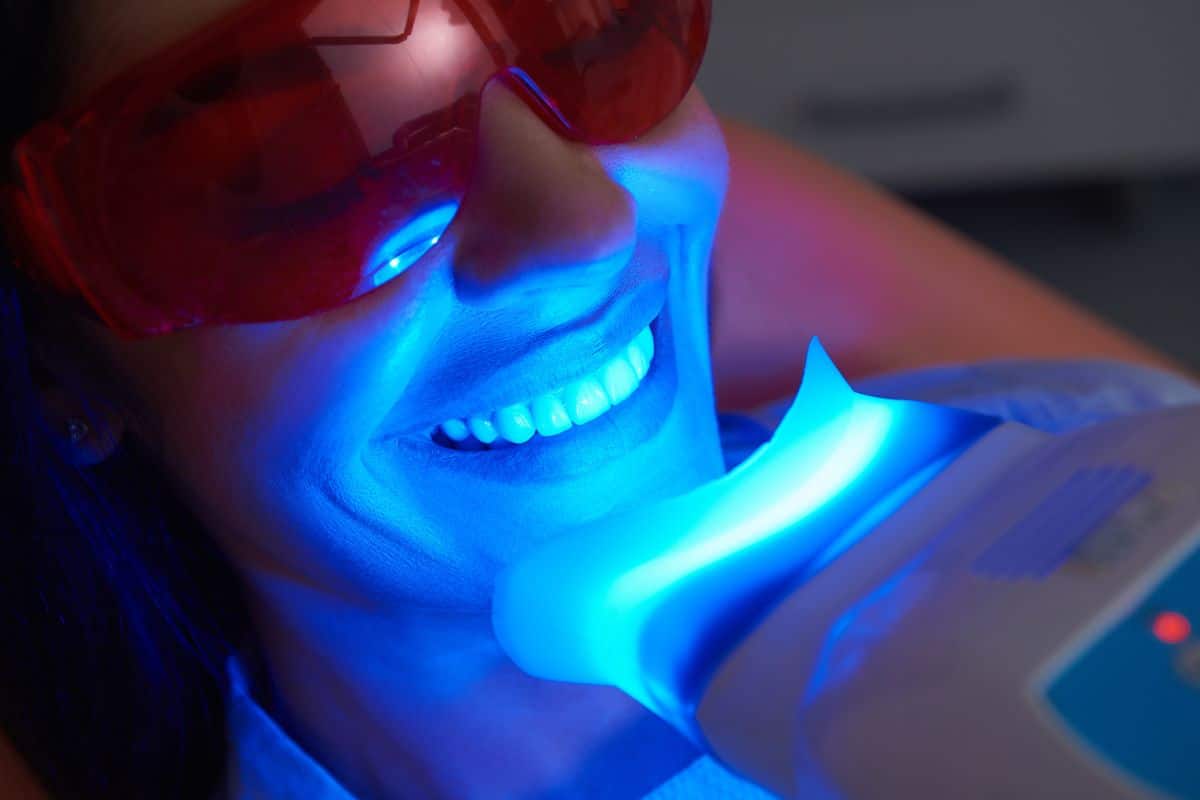
Teeth whitening treatments have become increasingly popular for those seeking a brighter, more radiant smile. While the results are often impressive, many people experience some degree of tooth sensitivity following the procedure. If you’ve recently undergone teeth whitening and are uncomfortable, don’t worry—sensitivity is a common side effect. Here are some practical tips to help you manage and alleviate this sensitivity.
Understanding Sensitivity After Teeth Whitening
Before diving into how to manage sensitivity, it’s essential to understand why it occurs. Teeth whitening treatments apply a bleaching agent to your teeth, penetrating the enamel to break down stains. This process can temporarily increase tooth sensitivity because the whitening agents can make the dentin layer (the sensitive layer beneath the enamel) more exposed or reactive. This sensitivity can manifest as a tingling sensation or pain when consuming hot, cold, or sweet foods and drinks.
Tips for Managing Tooth Sensitivity
Experiencing tooth sensitivity after whitening can be uncomfortable, but there are several strategies you can employ to ease the discomfort and ensure your smile remains bright and healthy. Here’s how you can manage sensitivity effectively:
1. Choose a Gentle Whitening Product
If you’re new to teeth whitening, opting for a milder whitening product can help reduce sensitivity. Some over-the-counter products are less potent and thus may be less likely to cause discomfort. Alternatively, consult your dentist about professional teeth whitening, as they can recommend or customize treatments that are less likely to cause sensitivity.
2. Use Desensitizing Toothpaste
Desensitizing toothpaste is explicitly formulated to help reduce tooth sensitivity. It contains compounds that help block the pathways in the teeth that lead to the nerves. Start using a desensitizing toothpaste a few weeks before your whitening treatment and continue to use it afterward to help manage any sensitivity.
3. Avoid Extreme Temperatures
During the period following your teeth whitening treatment, try to avoid consuming extremely hot or cold foods and beverages. These temperature extremes can exacerbate sensitivity and discomfort. Stick to lukewarm or room-temperature foods and drinks to minimize the risk of triggering sensitivity.
4. Maintain Good Dental Hygiene
Maintaining excellent dental care is crucial for managing sensitivity after teeth whitening. Brush your teeth gently with a soft-bristled toothbrush and avoid aggressive brushing, which can worsen sensitivity. Floss daily to keep your gums healthy and prevent additional irritation to your teeth.
5. Avoid Acidic Foods and Drinks
Acidic foods and beverages, such as citrus fruits, soda, and wine, can increase tooth sensitivity. These items can wear down enamel and irritate already-sensitive teeth. Minimize your consumption of acidic foods and drinks to help keep your teeth comfortable after whitening.
6. Stay Hydrated
Drinking plenty of water helps maintain good oral health and alleviate some sensitivity. Water helps rinse food particles and acids that may contribute to sensitivity and discomfort. Aim to drink water regularly throughout the day to keep your mouth hydrated.
7. Use a Fluoride Rinse
A fluoride rinse can help strengthen your tooth enamel and reduce sensitivity. Fluoride helps remineralize the enamel, making it more resilient against sensitivity triggers. Incorporate a fluoride rinse into your daily dental care routine for additional protection.
8. Limit Whitening Treatments
If you’re experiencing significant sensitivity, limiting the frequency of teeth whitening treatments may be helpful. Overuse of whitening products can lead to prolonged sensitivity and enamel damage. Follow your dentist’s recommendations for how often to undergo whitening treatments to avoid unnecessary discomfort.
When to Seek Professional Help
If your sensitivity persists for more than a few days or becomes severe, it’s essential to consult your dentist. Persistent sensitivity may indicate an underlying issue that needs professional attention. Your dentist can evaluate your condition and recommend appropriate solutions or adjustments to your whitening regimen.
Managing sensitivity after teeth whitening involves choosing the right products, maintaining good dental care, and avoiding triggers that can exacerbate discomfort. By following these tips, you can enjoy the benefits of a brighter smile while minimizing any sensitivity you may experience. If you need personalized advice or solutions, don’t hesitate to contact your local dental professionals for guidance.
Looking for professional teeth whitening near Denver? Contact us today to learn more about our comprehensive treatments and how we can help you achieve a beautiful, comfortable smile.
Share: