
5801 W 44th Ave Unit C, Denver, CO 80212, United States

What Is the Best Option for Dental Implants?
Posted On September 5, 2024
Dental implants have become popular for replacing missing teeth, offering a permanent solution that looks and feels like natural teeth. However, with various options available, it’s important to understand which type of dental implant best suits your needs. In this comprehensive guide, we’ll explore the different types of dental implants, their benefits, and how to choose the right one for you.
Understanding Dental Implants
Dental implants are titanium artificial tooth roots surgically placed into the jawbone to support a replacement tooth or bridge. They are designed to fuse with the bone through osseointegration, providing a stable and durable foundation for artificial teeth.
Components of a Dental Implant
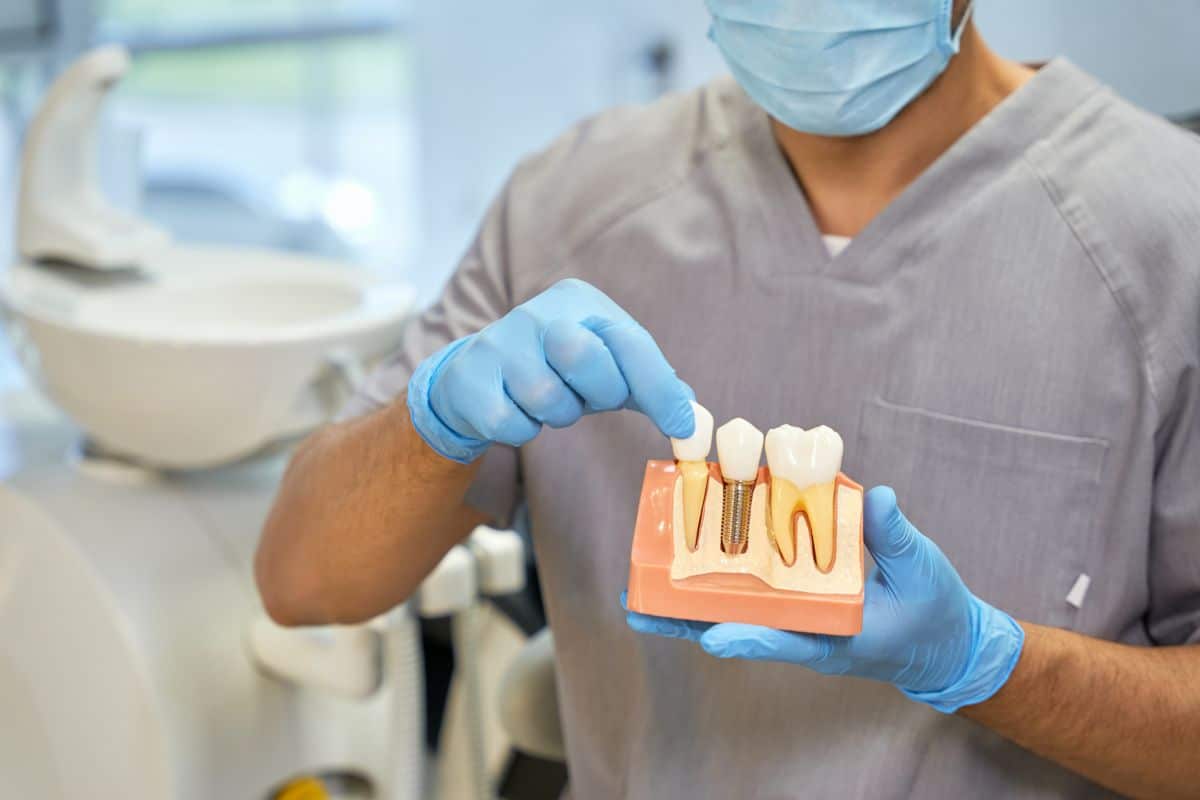
A dental implant consists of three main components:
- Implant Fixture: The screw-like part that is embedded into the jawbone.
- Abutment: The connector piece attaches to the implant fixture and supports the artificial tooth.
- Crown: The visible part of the implant that mimics the appearance of a natural tooth.
Types of Dental Implants
When considering dental implants, choosing the type that best fits your oral health needs and lifestyle is essential. Here are the most common types of dental implants:
1. Endosteal Implants
Endosteal implants are the most widely used type of dental implant. They are placed directly into the jawbone and are usually made of titanium. Once the implant has fused with the bone, an abutment and crown are attached.
Benefits:
- High success rate
- Suitable for most patients with healthy jawbones
- Provides a stable foundation for replacement teeth
2. Subperiosteal Implants
Subperiosteal implants are placed on the jawbone but underneath the gum tissue. They are often used for patients who do not have sufficient bone height for endosteal implants.
Benefits:
- Ideal for patients with bone loss
- Less invasive than other types
3. Zygomatic Implants
Zygomatic implants are an alternative for patients who have severe bone loss in the upper jaw. These implants are anchored in the cheekbone (zygomatic bone) rather than the jawbone.
Benefits:
- Suitable for patients with significant bone loss
- Can avoid the need for bone grafting
Factors to Consider When Choosing Dental Implants
Choosing the correct type of dental implant involves evaluating several factors related to your oral health and personal preferences. Here are some key considerations:
1. Bone Density and Quantity
One of the primary factors affecting the success of dental implants is the density and quantity of the jawbone. Adequate bone is required to support the implant securely. Your dentist might recommend a bone graft before implant placement if you have insufficient bone.
2. Oral Health
Good oral health is crucial for the success of dental implants. Conditions such as gum disease or untreated cavities can affect the stability and longevity of the implants. Ensuring your oral health is in good condition before implanting is essential.
3. Budget and Insurance
Dental implants can be a significant investment, and costs can vary based on the type of implant and additional procedures required. Discussing your budget with your dentist and exploring insurance options or financing plans is important.
4. Lifestyle and Personal Preferences
Your lifestyle and personal preferences also play a role in choosing the best dental implants. For instance, if you are not comfortable with a more invasive procedure, options like zygomatic implants might be suitable.
The Dental Implants Treatment Process
The process of getting dental implants typically involves several stages:
1. Initial Consultation
During the initial consultation, your dentist will evaluate your oral health, discuss your treatment options, and create a personalized plan for your dental implant treatment.
2. Implant Placement
The surgical placement of the dental implant involves inserting the implant fixture into the jawbone. This procedure is usually done under local anesthesia and may require several months of healing before the next stage.
3. Osseointegration
After placement, the implant undergoes a healing period called osseointegration, where the implant fuses with the jawbone. This process can take several months.
4. Abutment and Crown Placement
Once osseointegration is complete, the abutment is attached to the implant, and impressions are taken to create the custom crown. The crown is then placed atop the abutment, completing the restoration.
Aftercare and Maintenance
Proper aftercare is essential for the longevity and success of dental implants. Here are some tips for maintaining your dental implants:
- Regular Check-Ups: Schedule regular dental visits to monitor the health of your implants and surrounding tissues.
- Oral Hygiene: Maintain good oral hygiene by brushing and flossing regularly to prevent gum disease and infection.
- Avoid Hard Foods: Avoid hard or sticky foods that could damage the implants.
Conclusion
Choosing the best option for dental implants depends on bone density, oral health, and personal preferences. Consulting with a skilled dentist will help you determine the most suitable type of implant and ensure a successful treatment outcome.
If you’re considering dental implants and live in Denver, look for a trusted provider to discuss your options. Contact a local dentist for the best dental implants in Denver to start your journey towards a confident and healthy smile.
Share: