
5801 W 44th Ave Unit C, Denver, CO 80212, United States

Can a Deep Cavity Be Saved Without a Root Canal?
Posted On November 6, 2024
If you have recently been told by a dentist that you have a deep cavity or if you are looking at an X-ray and wondering how close Finding out you have a deep cavity can feel alarming especially if the words “root canal” start floating around. The good news? Not every deep cavity automatically means you need one.
Many patients search for alternatives before committing to more invasive treatment, and that’s a completely reasonable instinct. Understanding your options helps you make a confident, informed decision about your dental health.
In this guide, we’ll break down when a deep cavity can be treated conservatively, when Root Canal Therapy in Denver becomes necessary, and how to protect your tooth for the long run.
Understanding What Makes a Cavity “Deep”
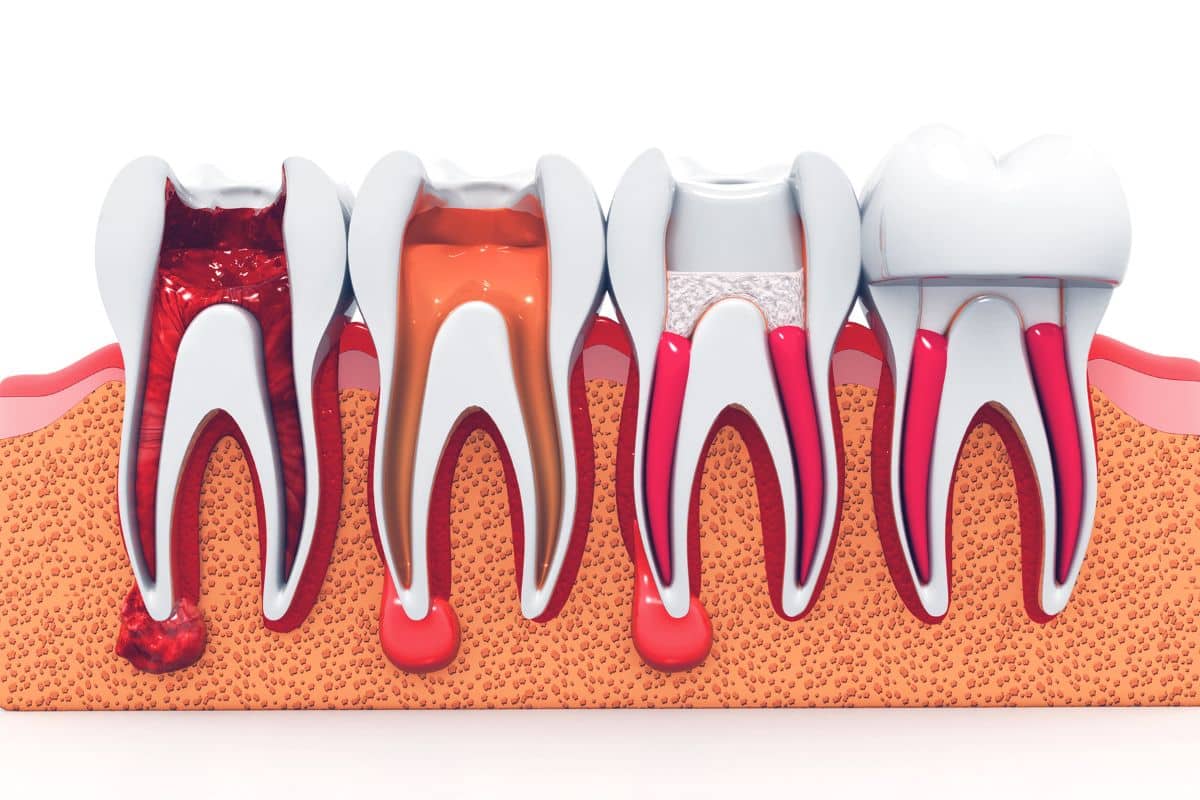
A cavity becomes “deep” when decay moves past the outer enamel and into the dentin the softer layer beneath it. If decay continues untreated, it can eventually reach the pulp, where the tooth’s nerves and blood vessels live.
The closer decay gets to the pulp, the more likely a root canal becomes necessary. But proximity isn’t destiny several factors influence the outcome.
Signs Your Cavity May Be Deep
- Sensitivity to hot or cold that lingers after the stimulus is gone
- Occasional dull ache, especially when chewing
- Visible dark spots or a hole in the tooth
- Sensitivity to sweets
If you’re noticing these symptoms, it’s worth getting evaluated sooner rather than later. Early evaluation often means more treatment options.
Can a Deep Cavity Really Be Saved Without a Root Canal?
Yes in many cases, it can be. The key factor is whether the pulp (nerve tissue) is still healthy or only mildly irritated, rather than infected or severely inflamed.
Here are conservative treatments dentists may use instead of jumping straight to a root canal:
1. Indirect Pulp Capping
If decay is close to the pulp but hasn’t reached it, your dentist may remove most of the decay and place a protective medicated material over the remaining thin layer of dentin. This encourages the tooth to heal and form a natural protective barrier.
2. Direct Pulp Capping
If the pulp is slightly exposed during cleaning but appears healthy, a dentist may apply a biocompatible material directly to it to promote healing, avoiding the need for root canal therapy.
3. Deep Fillings with Advanced Materials
Modern dental materials, such as calcium hydroxide or MTA (mineral trioxide aggregate), can help protect and preserve the tooth’s inner structure without removing the nerve.
4. Vital Pulp Therapy
This newer, research-backed approach focuses on preserving as much healthy pulp tissue as possible, especially in younger patients or teeth with strong healing potential.
A Quick Note on Success Rates
These treatments work best when:
- The tooth has no persistent, throbbing pain
- There’s no visible infection or abscess
- X-rays show no bone damage around the root
- The pulp exposure (if any) is minimal
If these conditions aren’t met, a root canal often becomes the safer, more reliable option for saving the tooth.
Deep Cavity Filling vs. Root Canal: Comparison Matrix
When a cavity is close to the nerve, your dentist will perform diagnostic tests (like cold tests or digital X-rays) to evaluate the health of the pulp before deciding on a treatment plan. Below is a breakdown of how a deep filling compares to a root canal, and whether you can choose a more conservative option.
| Treatment Metric | Deep Cavity Filling | Root Canal Therapy |
| When It’s Used | Decay is a deep cavity near the nerve, but the pulp tissue remains healthy and uninfected. | Decay has infected, exposed, or killed the pulp tissue inside the nerve chamber. |
| How Deep Does It Go? | Cleans out the decay but leaves a thin layer of natural dentin or a protective liner over the nerve. | Cleans out the entire root cavity system, removing the damaged nerve entirely. |
| Can I Refuse a Root Canal? | Yes, if the nerve is completely healthy, a filling or pulp cap is the preferred first step. | If the nerve is dead or infected, refusing a root canal and demanding a filling will fail, leading to severe pain or extraction. |
| Expected Longevity | High success rate if the pulp stays healthy; requires monitoring over time. | Long-term permanent solution to save the physical structure of a dead tooth. |
When Root Canal Therapy in Denver Becomes the Better Option
Sometimes, despite best efforts, decay has progressed too far for conservative treatment to work. Root Canal Therapy in Denver becomes the recommended path when:
- The pulp is infected or severely inflamed
- There’s persistent or spontaneous pain, especially at night
- An abscess has formed
- X-rays reveal bone loss around the root tip
- The tooth doesn’t respond normally to cold or heat tests
It’s understandable to want to avoid a root canal, but it’s important to reframe how we think about it. A root canal isn’t a failure it’s a tooth-saving procedure. It removes infected tissue, seals the tooth, and allows you to keep your natural tooth rather than extracting it.
Modern root canal treatment is far more comfortable than its reputation suggests. Most patients report it feels similar to getting a routine filling.
How Dentists Decide Between the Two Options
Choosing between a conservative treatment and Root Canal Therapy in Denver isn’t guesswork. Dentists rely on:
- Digital X-rays to assess how close decay is to the pulp
- Cold and percussion testing to check nerve health
- Patient symptoms and pain history
- Visual inspection during cleaning
This is why timely evaluation matters so much. The earlier a deep cavity is caught, the more likely conservative treatment can succeed.
Tips to Help Protect a Vulnerable Tooth
Whether you’re trying to avoid a root canal or supporting healing after treatment, these habits help:
- Avoid chewing directly on the treated tooth until it’s fully evaluated
- Maintain consistent oral hygiene, including flossing around the area
- Limit sugary or acidic foods that accelerate decay
- Don’t skip follow-up appointments early monitoring catches problems before they escalate
- Use a soft-bristled toothbrush to avoid irritating sensitive areas
Small, consistent habits often make the biggest difference in whether a tooth can be saved conservatively.
Why Choose Primary Dental for Your Evaluation
At Primary Dental in Denver, CO 80212, our approach starts with a thorough evaluation not an automatic recommendation for the most invasive treatment. We use detailed imaging and careful nerve testing to determine whether your tooth is a good candidate for conservative care or whether Root Canal Therapy in Denver is the more predictable path to saving it.
Our goal is always the same: preserve your natural tooth whenever it’s safely possible, and recommend root canal therapy only when it genuinely gives your tooth the best long-term outcome.
Questions Our Patients Often Ask
Does a deep cavity always mean I need a root canal?
Not necessarily. If the nerve is still healthy and there’s no infection, conservative treatments like pulp capping or a deep filling may be enough to save the tooth.
How do I know if my tooth’s nerve is still healthy?
Your dentist checks this through cold sensitivity tests, X-rays, and how the tooth responds to gentle tapping. Persistent or severe pain usually signals nerve involvement.
Is it risky to try a filling instead of a root canal?
There’s some risk that the tooth may still need a root canal later if the nerve becomes irritated. Your dentist will monitor the tooth closely afterward to catch this early.
Will a root canal hurt more than a filling?
Not typically. With modern anesthesia and techniques, most patients say a root canal feels very similar to a standard filling procedure.
What happens if I ignore a deep cavity?
Untreated decay can progress to infection, abscess, or tooth loss. Addressing it early gives you more treatment options and better outcomes.
Can children have their teeth saved without a root canal?
Yes young, healthy pulp tissue often responds well to vital pulp therapy, making conservative treatment more likely to succeed in kids.
Final Thoughts: Don’t Wait to Get It Checked
A deep cavity doesn’t have to mean an automatic root canal but it also isn’t something to put off addressing. The sooner your tooth is evaluated, the more options you’ll have, whether that’s a conservative treatment or effective Root Canal Therapy in Denver when it’s truly needed.
Your comfort and your natural smile matter to us. Schedule your appointment today with Primary Dental in Denver, CO, and let’s find the right path forward for your tooth together.
Share: