
5801 W 44th Ave Unit C, Denver, CO 80212, United States

Dental Implants: Do They Get Cavities?
Posted On June 12, 2025
Dental implants have revolutionized restorative dentistry, offering a durable and natural-looking solution for missing teeth. As a long-term investment in your oral health, it’s natural to wonder about your susceptibility to common dental problems. One of the most frequent questions we hear is: “Do dental implants get cavities?” The answer, in short, is no, but there’s an important nuance to understand.
Understanding Dental Implants: More Than Just a Tooth
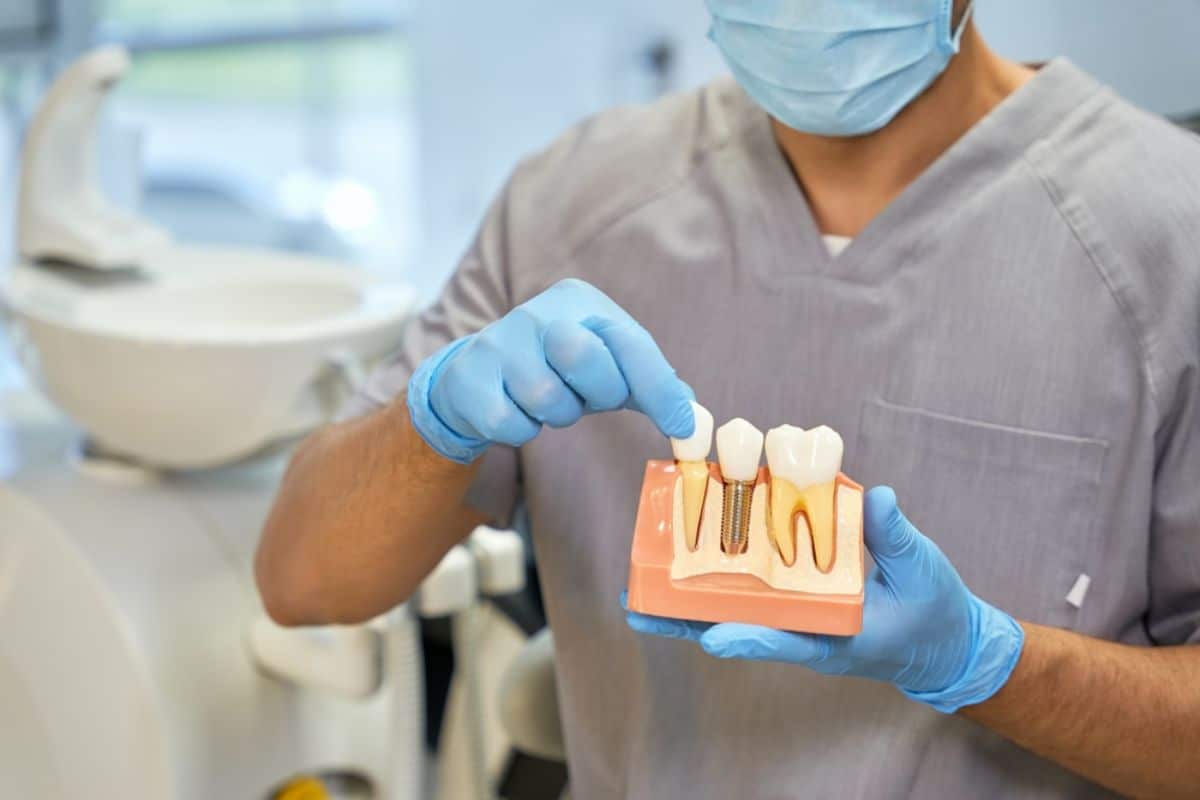
To understand why implants don’t get cavities, we need to examine their composition. A dental implant is typically made up of three main parts:
- The Implant Post (Fixture): This is a small, screw-shaped post, usually made of biocompatible titanium, that is surgically placed into your jawbone. Titanium is a metal and is not susceptible to decay.
- The Abutment: This connector piece attaches to the implant post and extends above the gum line. Abutments can be made of titanium, gold, or zirconia. Like the implant post, these materials are metals or ceramics and cannot decay.
- The Restoration (Crown, Bridge, or Denture): This is the visible part of the implant that mimics a natural tooth. Crowns are often made of porcelain, ceramic, or zirconia, sometimes fused to metal. While these materials are incredibly strong and aesthetically pleasing, they are also inorganic and cannot develop cavities.
Unlike natural teeth, which are composed of enamel, dentin, and pulp – organic tissues susceptible to bacterial acid attack – dental implants are entirely artificial. Therefore, the biological process of cavity formation, which involves demineralization of tooth structure, cannot occur on an implant. For those seeking dental implants understanding this fundamental difference is key.
The Misconception: What Can Go Wrong with Implants?
While implants themselves are immune to cavities, it’s crucial not to mistake this for immunity to all oral health issues. Confusion often arises because problems around the implant can mimic the discomfort or concerns associated with natural tooth decay.
The primary concern for dental implants is not decay but rather peri-implantitis. This condition is analogous to gum disease (periodontitis) in natural teeth. Peri-implantitis is an inflammatory response affecting the soft tissues and bone surrounding a dental implant. It is typically caused by the accumulation of bacterial plaque, similar to gum disease.
Peri-Implantitis: The Real Threat
Peri-implantitis can manifest with symptoms such as:
- Redness and swelling of the gums around the implant
- Bleeding when brushing or flossing
- Pus discharge
- Pain or discomfort (though often painless in early stages)
- Bad breath
- Ultimately, bone loss around the implant can lead to implant mobility and failure if left untreated.
Just like gum disease, peri-implantitis is largely preventable with proper oral hygiene. If you have concerns, we encourage you to visit our dental office for a thorough evaluation.
Protecting Your Investment: Essential Care for Dental Implants
Although your dental implants won’t get cavities, maintaining excellent oral hygiene is crucial to their long-term success. Think of it as protecting the “foundation” and the surrounding tissues that support your implant.
Here’s how to ensure the longevity of your dental implants:
- Diligent Brushing: Brush at least twice a day with a soft-bristle toothbrush. Pay close attention to the gum line around your implants.
- Regular Flossing: Floss daily, ensuring you clean around and under your implant crown. Specialized implant-specific floss or interdental brushes can be particularly effective in cleaning around implants.
- Antiseptic Mouthwash: Your dentist might recommend an antiseptic mouthwash to help control bacterial plaque.
- Routine Dental Check-ups and Cleanings: These are non-negotiable. Your dentist and hygienist can identify early signs of peri-implantitis, remove plaque and calculus that you might miss, and provide professional cleaning around your implants.
- Avoid Harmful Habits: Refrain from smoking, as it significantly increases the risk of peri-implantitis and implant failure. Also, avoid chewing on hard objects that could damage the porcelain crown.
In conclusion, dental implants offer a robust and reliable solution for tooth replacement that is naturally resistant to cavities. However, their success hinges on a commitment to rigorous oral hygiene and regular professional dental care. By understanding the distinction between cavities and peri-implantitis, you can proactively protect your valuable investment and enjoy a healthy, confident smile for years to come. Don’t hesitate to book an appointment to discuss your dental implant needs.
Share: