
5801 W 44th Ave Unit C, Denver, CO 80212, United States

Receding Gums: Why It Happens and What Dentists Can Do
Posted On January 7, 2026
Living in the Mile High City comes with plenty of perks, breathtaking mountain views, an active outdoor lifestyle, and a community that values health and wellness. Whether you’re grabbing a post-hike coffee in LoDo or enjoying a sunny afternoon at Washington Park, a healthy smile is your best accessory.
However, many Denverites notice a change in their smile that causes a bit of alarm: their teeth start looking “longer,” or they experience sharp sensitivity when sipping an iced latte or a craft beer. If this sounds familiar, you might be dealing with receding gums.
At Primary Dental, we believe that understanding your oral health is the first step toward protecting it. In this guide, we’ll dive into why gum recession happens, why it’s particularly important for Denver residents to stay vigilant, and how a dentist can help you restore your smile.
What Exactly Is Gum Recession?
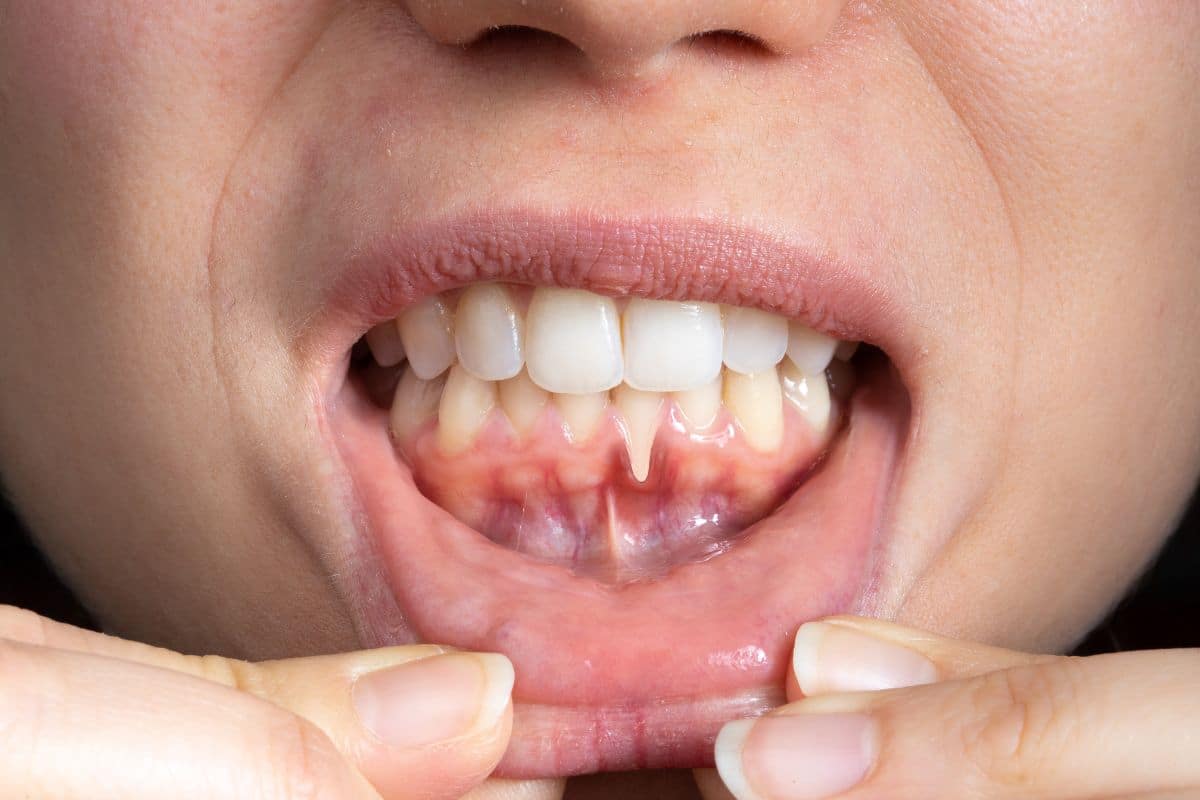
Gum recession occurs when the margin of the gum tissue that surrounds the teeth wears away or pulls back, exposing more of the tooth or even the tooth’s root. Because this process usually happens slowly, many people don’t realize their gums are receding until the problem becomes advanced.
When the root is exposed, it creates “pockets” or gaps between the teeth and the gum line, making it easy for disease-causing bacteria to accumulate. If left untreated, the supporting tissue and bone structures of the teeth can be severely damaged, ultimately leading to tooth loss.
Why Is My Gum Line Moving? Common Causes
Understanding the “why” is the first step in prevention. Here are the most common culprits behind receding gums:
1. Periodontal Diseases
This is the leading cause of gum recession. These are bacterial gum infections that destroy gum tissue and the supporting bone that holds your teeth in place. Even with a great fitness routine at the local Red Rocks amphitheater, your internal health—specifically your gums—needs dedicated attention.
2. Aggressive Brushing
We love the “go big or go home” energy in Colorado, but that shouldn’t apply to your toothbrushing technique. Brushing your teeth too hard or using a hard-bristle brush can wear down your enamel and cause your gums to recede.
3. Genetics
Sometimes, it’s just in your DNA. Some people may be more susceptible to gum disease regardless of how well they care for their teeth. Studies show that about 30% of the population may be predisposed to gum disease.
4. Poor Dental Hygiene
Inadequate brushing, flossing, and rinsing with antibacterial mouthwash makes it easy for plaque to turn into calculus (tartar)—a hard substance that builds up on and between your teeth. It can only be removed by a professional dental cleaning.
5. Hormonal Changes
Life stages like puberty, pregnancy, and menopause can make gums more sensitive and more vulnerable to gum recession.
6. The Denver Factor: Dry Air and Hydration
Our beautiful semi-arid climate in Denver can lead to dry mouth. Saliva is the mouth’s natural defense against plaque. When your mouth is dry, bacteria thrive, increasing the risk of inflammation and recession. Staying hydrated isn’t just for the hiking trails; it’s for your teeth, too!
Signs You Should Visit Our Dental Office
How do you know if you need to see a professional? Keep an eye out for these symptoms:
- Sensitivity: Pain when consuming hot, cold, sweet, or acidic foods and drinks.
- Long Teeth: A tooth that looks longer than its neighbors.
- Visible Roots: You can see the darker, yellowish root area near the gum line.
- Bleeding or Swollen Gums: Redness or bleeding after flossing.
If you notice any of these, it’s time to book an appointment at Primary Dental. Early intervention is key to stopping the recession before it requires surgery.
How Dentists Treat Receding Gums
The good news is that you don’t have to live with gum recession. Depending on the severity, a dentist has several ways to treat the issue:
Professional Deep Cleaning
For mild recession, a deep cleaning (also known as scaling and root planing) may be enough. Your dentist will carefully remove the plaque and tartar that have built up on the teeth and root surfaces below the gum line, then smooth the exposed root area to make it more difficult for bacteria to attach.
Pinhole Surgical Technique (PST)
This is a minimally invasive way to treat gum recession. Unlike traditional grafting, it doesn’t require scalpels or sutures. A small hole is made in the gum tissue, and specialized tools are used to gently loosen and reposition the tissue over the exposed root.
Gum Grafting
In more advanced cases, a gum graft may be necessary. This involves taking a small amount of tissue from another part of your mouth (or using donor tissue) and attaching it to the area where the gums have receded. This protects the root and restores the natural gum line.
Preventing Gum Recession in the Mile High City
Prevention is always better than a cure. Here is how you can keep your gums healthy while enjoying everything Denver has to offer:
- Switch to a Soft Brush: Use a soft-bristled toothbrush and gentle, circular motions. Think of it as a massage for your gums, not a scrub.
- Floss Daily: This removes the plaque that your toothbrush can’t reach.
- Drink Plenty of Water: Combat the Denver dry air by keeping your saliva production high.
- Quit Tobacco: Smoking and chewing tobacco are major contributors to gum recession.
- Regular Checkups: Visit our dental office twice a year for professional cleanings. We can catch a recession in its earliest stages when it’s easiest to manage.
Frequently Asked Questions
Q: Can receding gums grow back naturally?
A: Unfortunately, no. Once gum tissue has receded, it does not grow back on its own. However, treatments like grafting or PST can restore the gum line, and proper care can prevent further recession.
Q: Does gum recession mean I will lose my teeth?
A: Not necessarily. If you catch it early and seek treatment from a dentist in Denver, you can stabilize your gums and keep your natural teeth for a lifetime.
Q: Is the treatment for receding gums painful?
A: Most modern treatments, including deep cleanings and the Pinhole technique, are designed with patient comfort in mind. We use local anesthetics to ensure you don’t feel a thing during the procedure.
Q: How much does it cost to fix receding gums in Denver?
A: The cost varies depending on the extent of the recession and the type of treatment needed. Many dental insurance plans cover a portion of periodontal treatments. We recommend you book a consultation to receive a personalized estimate.
Ready to Restore Your Smile?
Your smile reflects your Denver lifestyle—vibrant, healthy, and confident. Don’t let gum recession take that away from you. Whether you’re noticing sensitivity for the first time or you’ve been hiding your smile for a while, the team at Primary Dental is here to help.
We pride ourselves on providing friendly, high-quality care to our Denver neighbors. From the moment you walk into our dental office, we make your comfort and health our top priority. Don’t wait for the problem to get worse. Take control of your oral health today!
Share: