
5801 W 44th Ave Unit C, Denver, CO 80212, United States

Are Root Canals Bad For Your Heart?
Posted On December 11, 2025
Root canal treatment is often misunderstood, with many people questioning whether it can negatively affect overall health, particularly heart health. This is an essential question for those considering the procedure. If you’re in Denver, where outdoor activities are a significant part of life, it’s natural to want to maintain your health, including your dental health. Let’s explore whether the therapy poses any risk to heart health.
What Is Actually Done In A Root Canal?
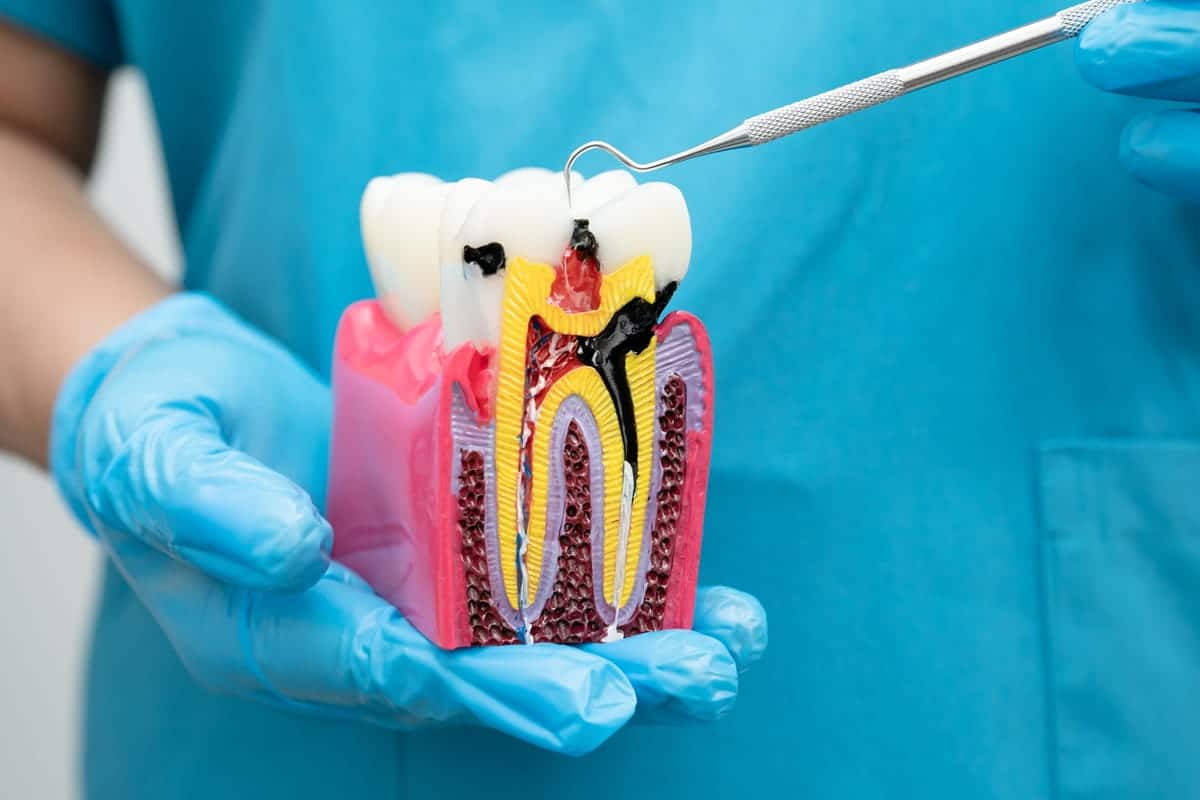
During the procedure, the dentist or endodontist gently removes infected pulp tissue from the tooth. They then clean, shape, and disinfect the canals before sealing them with a biocompatible material. Finally, a filling or crown restores strength so you can chew comfortably again.
By removing the source of infection, root canal treatment helps protect your immune system and reduces inflammatory load. This can be especially important during the Mile High City’s colder months, when seasonal illnesses already challenge your body. Fewer infections mean fewer potential complications for patients with existing heart disease.
Root Canals And Heart Health: What’s The Connection?
Over the years, there has been some concern about the potential risks associated with root canal surgery and heart disease. In fact, people often wonder whether bacteria from an untreated mouth infection could spread to the heart, potentially leading to severe conditions such as endocarditis (heart inflammation).
However, according to the American Heart Association and the American Dental Association (ADA), there is no conclusive evidence to suggest that endodontic treatments increase the risk of heart disease. Instead, the procedure can protect your heart by eliminating the infection and preventing it from spreading.
Why Does This Matter For Denver Lifestyles?
In Denver, people enjoy active outdoor lifestyles year-round. From winter skiing in the Rockies to summer hikes at Red Rocks, a healthy mouth supports your energy and comfort. Tooth pain or infection can limit your ability to enjoy local activities and social gatherings.
Weekends at neighborhood favorites like Cherry Creek cafes, Union Station restaurants, or LoDo coffee shops should be relaxing. However, if you avoid hot or cold drinks because of a throbbing tooth, your quality of life suffers. Endodontic treatment often saves the natural tooth and restores comfort so you can return to your usual routine.
Why Is An Endodontic Therapy Safe For Your Heart Health?
The fear that oral infections could lead to heart problems is not new. However, modern research shows that the surgery is not only safe but necessary for overall health. By addressing the infection at its source, the therapy helps prevent bacteria from entering your bloodstream, which can affect other parts of your body, including the heart.
For active residents of the Mile High City, where health is a priority for many, dental pulp removal enables you to keep your smile intact without worrying about additional health risks. Instead of causing harm, this treatment helps you avoid complications and maintain a healthy lifestyle.
Who Needs To Be Extra Careful?
Some patients should take additional precautions, especially those with certain heart conditions. This includes people with a history of infective endocarditis, specific congenital heart defects, or certain heart valve replacements. For these patients, dentists often consult with cardiologists and may prescribe preventive antibiotics.
In the community’s metro area, many locals balance demanding professional schedules, family life, and fitness routines. Skipping oral care because you feel “too busy” can allow minor problems to become painful emergencies. Addressing an infection early with professional treatment is safer than hoping it resolves on its own.
What To Expect Post Your RCT Treatment?
A Smooth Recovery: Key Things To Know
After your RCT (root canal therapy), recovery is usually quick and straightforward. Here are a few things you can expect during your recovery process:
- Minimal Discomfort: Most patients experience mild discomfort for a few days, which can be managed with over-the-counter pain relievers.
- Return to Routine: You can resume your regular activities, including work, local events, and enjoying the community’s vibrant dining scene, typically within 1 to 2 days.
- Post-Procedure Care: Following your dentist’s aftercare instructions will help ensure your tooth heals properly and that the infection doesn’t return. If unsure, you must visit our dental office for guidance and a smooth recovery.
Easy-to-Maintain Tips For A Faster Recovery
- Avoid Hard Foods: After your procedure, stick to soft foods and avoid chewing directly on the treated tooth to ensure proper healing.
- Follow-up Appointments: Make sure to attend any follow-up appointments to ensure that your tooth is healing well and remains free of infection.
- Oral Hygiene: Continue brushing and flossing regularly, but be gentle around the treated area to avoid irritation.
Book An Appointment Today For Stress-Free Care
If you’re concerned about how root canal treatment may affect your heart, rest assured that it’s a safe and effective procedure. At our Denver dental office, we specialize in providing high-quality care and ensuring that your treatment supports both your dental health and overall well-being. Book an appointment today with our team to learn more about how the surgery can protect your health and restore your smile.
Frequently Asked Questions
Q. How long does it take to recover from a root canal?
Recovery time for an RCT varies, but most patients feel better within a few days. Some discomfort may persist for up to a week, but it’s manageable with over-the-counter pain relief.
Q. Can you eat right after an endodontic treatment?
It’s best to wait until the numbness wears off before eating to avoid biting your cheek or tongue. Stick to soft foods for the first few days to minimize discomfort.
Q. What should I do if my root canal hurts after treatment?
Mild discomfort after tooth nerve removal is normal, but if pain persists or worsens, it’s essential to contact your dentist. Persistent pain may indicate an infection or other complications requiring attention.
Q. Can a tooth nerve removal fail after it’s been done?
While rare, oral surgery can fail due to reinfection or incomplete sealing. If you experience pain or discomfort after the procedure, consult your dentist for further evaluation.
Q. How do I know if I need a root canal?
Signs you might need to undergo an endodontic procedure include severe tooth pain, sensitivity to hot or cold, or swelling around the affected tooth. Our dentist can confirm the need for treatment through an X-ray.
Share: