
5801 W 44th Ave Unit C, Denver, CO 80212, United States

Do Root Canals Work for Cracked Teeth?
Posted On March 2, 2026
A cracked tooth can be a painful and concerning issue, leaving many wondering how to restore their smile. When faced with a cracked tooth, people often ask if a root treatment is the right solution. In Denver, where winter weather can be dry and cold, tooth sensitivity can make tooth cracks more common. Fortunately, canal therapy can help save damaged teeth, providing relief and long-lasting results.
Choosing root treatment for your cracked tooth can be a great decision. This place offers a variety of outdoor activities, such as hiking in the nearby Rocky Mountains, which requires strong and healthy teeth. This therapy ensures your teeth remain functional, so you can enjoy all of the city’s offerings without worrying about tooth pain or sensitivity. Let’s explore if this procedure works for cracked teeth and what you can expect.
Understanding Root Canal Treatment
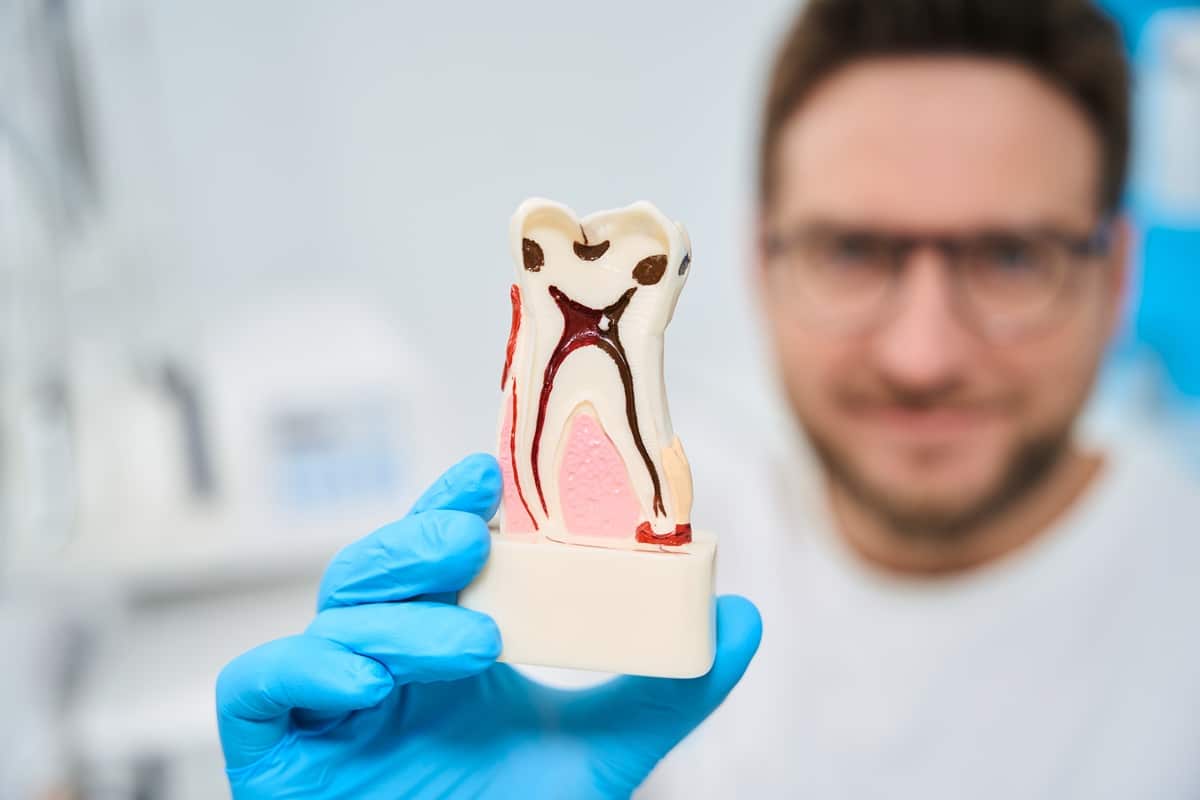
Root canal treatment is designed to treat the inside of a damaged or infected tooth. The procedure involves removing the infected pulp, cleaning the root canals, and then sealing the tooth to prevent future infection. This treatment is often recommended for teeth that have suffered significant damage, including cracks.
How Root Therapy Helps Cracked Teeth?
Here is how this treatment protects your cracked teeth:
- Preserves Natural Teeth: Root therapy helps preserve the natural tooth by removing infected tissue without extracting the tooth.
- Relieves Pain: When a tooth is cracked, it can expose the sensitive nerves inside. A root canal can alleviate pain by addressing the infection and sealing the area.
- Restores Function: After treatment, the tooth can be restored with a crown, allowing you to chew and speak comfortably.
Can Endodontic Treatment Repair All Types of Cracks?
Root canal therapy works well for cracks that extend into the pulp, where the nerves and blood vessels reside. However, if a crack reaches below the gum line or causes extensive structural damage, extraction might be necessary.
Common Causes of Cracked Teeth
In Denver, the climate can contribute to the increased risk of cracked teeth. Cold temperatures and dry air may cause your teeth to contract, which can lead to cracks. Additionally, drinking hot foods and drinks quickly can strain teeth, especially with weakened enamel.
- Cold Weather: The chilly weather can cause your teeth to contract, leading to cracks.
- Seasonal Changes: As temperatures fluctuate, so does the likelihood of enamel becoming brittle, especially in older adults.
- Local Food Choices: The city’s diverse food scene, including crunchy snacks, may contribute to additional wear and tear on teeth.
Benefits of Dental Root Procedure for Cracked Teeth
If you’re dealing with a cracked tooth, root canal treatment offers several benefits:
- Long-Lasting Results: After treatment, your tooth can function just like a healthy tooth, and with proper care, it can last for many years.
- Prevents Extraction: Dental pulp removal can help you avoid tooth extraction, preserving your natural smile and bite function.
- Improves Oral Health: Treating a cracked tooth with root therapy can prevent the spread of infection and further damage to the tooth.
What to Expect During Root Therapy?
When you visit our dental office for canal treatment, here’s what you can expect:
- Initial Consultation: Your dentist will examine your cracked tooth and may take X-rays to assess the extent of the damage.
- Treatment Process: The dentist will clean out the infected area, remove damaged tissue, and seal the tooth.
- Post-Treatment Care: A temporary filling will be placed, and a permanent crown will be added after the area has healed.
Restore Your Cracked Teeth with Us
If you’re dealing with a cracked tooth, canal therapy can provide effective treatment to restore your smile. At Primary Dental, our team is dedicated to helping you achieve optimal dental health with personalized care. Call us or book a consultation today to find out if root treatment is right for you. Let us help you preserve your smile for years to come!
FAQs
1. How can you tell if your cracked tooth needs a root canal?
A cracked tooth might need a root canal if you’re feeling ongoing discomfort or sensitivity. This is especially true when you’re chewing or enjoying hot and cold drinks.
2. Are there alternatives to root therapy for cracked teeth?
Options such as dental bonding or crowns are available, though they might not work as well if the damage reaches the tooth’s pulp. It’s always good to discuss these choices with your dentist to find the best solution for your needs.
3. How long does recovery take after a root canal for a cracked tooth?
Recovery typically takes a few days, with most people able to return to normal activities soon after treatment. Your dentist will provide care instructions to ensure proper healing.
4. Is endodontic treatment painful for cracked teeth?
Thanks to modern technology and sedation, the procedure is usually painless. You might feel a bit uncomfortable afterward, but don’t worry, this typically goes away in a few days.
5. Can a root canal fix a cracked tooth without a crown?
A crown is typically recommended after root treatment to protect and restore the tooth’s function. Without a crown, the tooth may remain vulnerable to further damage.
Share: