
5801 W 44th Ave Unit C, Denver, CO 80212, United States

How To Get A Professional Teeth Cleaning Experience At Home?
Posted On March 5, 2026
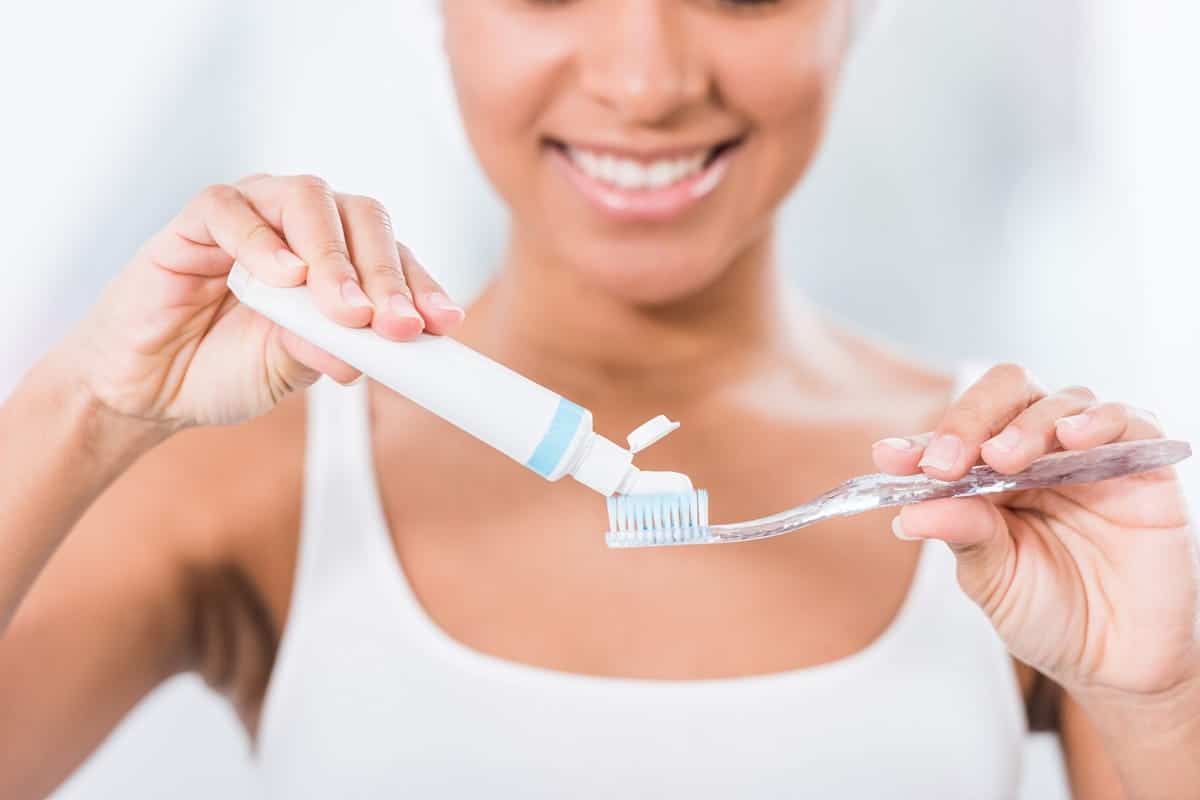
Taking care of your teeth doesn’t require a trip to the dental office every time. You can maintain a clean, fresh, and healthy smile right at home by following proper brushing techniques, using the right tools, and adopting habits that enhance your oral hygiene. Regular dental visits are vital for oral health, but you can also take at-home steps to stay on top of your hygiene game. However, it does not replace professional dental cleaning. In Denver, the dry climate and occasional high altitudes can sometimes affect your oral health. This makes it even more important to keep your smile in top condition.
Step-by-Step Guide for Cleaning Your Teeth Like a Dentist
Here are the steps:
Brush Your Teeth Correctly
The technique you use while brushing can make a significant difference in how well you clean your teeth. Dental practitioners recommend the following:
- Use a soft-bristled toothbrush to avoid damaging your gums and enamel.
- Hold the toothbrush at a 45-degree angle to your gum line and use gentle, circular motions.
- Brush for at least two minutes, twice a day, making sure to reach all areas of your mouth.
Don’t Skip Flossing
Flossing is crucial to remove plaque and food particles between your teeth that your toothbrush can’t reach. As the city is known for its wonderful restaurants and food culture, including local favorites like green chili, it’s easy to miss food stuck between teeth. Flossing once a day can significantly improve your oral health and help prevent gum disease. If you haven’t already, incorporate flossing into your routine at night.
Use the Right Toothpaste and Mouthwash
Make sure you’re using toothpaste that contains fluoride, which helps in remineralizing teeth and fighting tooth decay. After brushing, finish up with a fluoride mouthwash to kill bacteria and prevent plaque buildup. Opt for a fluoride-based mouthwash recommended by your dentist to protect your teeth and gums.
Use a Tongue Scraper
Most people forget about the tongue when cleaning their mouths. Local delicacies like omelets or pizza can leave a lingering taste and bacteria on your tongue, contributing to bad breath. Scraping your tongue helps remove bacteria and keeps your breath fresh.
Importance of Cleaning Your Teeth Like a Dentist
Cleaning your teeth at home with precision can help prevent plaque buildup, cavities, gum disease, and other dental issues that may arise over time. While home dental care is effective, it can’t fully replace professional cleanings and check-ups. The chilly winter months often lead to more dry mouth, which can promote bacterial growth. Regular home brushing and flossing can reduce this risk and help you avoid more serious dental concerns down the road. Here are a few expert tips to follow for a thorough cleaning routine:
When to Visit a Professional?
Maintaining a consistent at-home oral hygiene routine is essential, but it should be complemented with regular visits to your dentist. Professional cleanings every six months can help ensure that your teeth are free from tartar and plaque. This makes it easier for you to maintain great oral health between visits. These visits also allow your dental practitioner to perform a thorough check-up to spot potential problems early.
This city has beautiful outdoor activities, like hiking in the Rockies or strolling around the Denver Botanic Gardens. It’s important to have a healthy smile for both your physical health and confidence. Don’t underestimate the importance of professional cleanings and book an appointment!
Reasons Why Professional Care Is So Important
While it’s possible to clean your teeth at home effectively, professional dental cleanings are crucial for a few reasons:
- Plaque and Tartar Build-up: Even the best brushing habits can’t prevent tartar buildup, which only a dentist can remove.
- Thorough Cleaning: Dental professionals use specialized tools and techniques to clean your teeth thoroughly, ensuring you don’t have any areas missed.
- Early Detection: Regular visits to your dental practitioner allow for the early detection of dental issues, such as cavities and gum disease.
To professionally clean your teeth and improve your overall oral health, visit our dental office.
Improve Your Oral Health with Our Care
Are you searching for expert cleaning or a quick check-up to keep your smile shining bright? Primary Dental is ready to support you every step of the way. Schedule your consultation today and start your journey to wonderful oral health!
FAQs
1. How often should you clean your teeth at home?
Brushing your teeth twice a day really helps keep your smile bright, and flossing once daily is a wonderful way to give your mouth that extra sparkle. Staying consistent with these habits makes all the difference for your oral health!
2. Can you prevent cavities by cleaning your teeth at home?
Brushing and flossing properly can really help lower the chances of cavities, but visiting your dental professional is important too. They can remove plaque and tartar buildup that cause decay, keeping your smile healthy and bright!
3. What’s the best toothbrush for cleaning your teeth?
Dental practitioners suggest using a soft-bristle toothbrush with a comfortable handle for a gentle and effective clean. Electric toothbrushes are also a great option, providing consistent brushing power to make your oral care routine easier and more pleasant.
4. Is using mouthwash essential for oral care?
Mouthwash is great for helping to kill bacteria and keep your breath fresh. Just remember, it’s best used alongside regular brushing and flossing. Opt for a mouthwash with fluoride to get an extra layer of protection.
5. How do you prevent bad breath caused by food?
Brushing your teeth and tongue, flossing, and using mouthwash regularly can help keep your breath fresh by reducing the likelihood of food particles causing bad odors.
6. Can professional dental cleanings help with gum disease?
Yes, professional cleanings are a great way to help remove tartar buildup and reduce inflammation. This can go a long way in preventing or managing gum disease.
Share: