
5801 W 44th Ave Unit C, Denver, CO 80212, United States

When Can I Eat Solid Food After Tooth Extraction?
Posted On May 5, 2026
Tooth extraction can feel overwhelming, especially when daily habits like eating need to change. One of the most common concerns after a procedure is knowing when it is safe to return to solid food. Eating too soon can slow healing, while waiting too long can affect comfort and nutrition. Finding the right balance is key. Recovery does not follow a single timeline for everyone. It depends on how the body heals and how well aftercare instructions are followed. Small choices, such as what you eat and how you chew, can make a big difference in how quickly you feel normal again.
After a sunny walk in Washington Park or enjoying the city’s outdoor life, most want to return to regular meals without discomfort. Understanding what your mouth needs during recovery helps avoid complications. Primary Dental supports patients through each stage of healing after tooth extraction, making recovery more manageable and predictable.
What Happens Inside Your Mouth After Extraction?
Right after a tooth is removed, your body quickly creates a comforting blood clot in the empty socket. This natural cover serves as a gentle barrier, safeguarding the bone and nerves beneath. It’s also the start of the healing journey, helping everything to recover smoothly.
The first couple of days are especially important because the clot is still settling in. Be gentle during this time, as any sudden movements can impact the recovery. Actions like chewing hard foods or using straws might accidentally dislodge it and slow down your dental treatment healing process. Taking it easy now helps ensure a smooth and comfortable recovery.
Within just a few days, you’ll notice the gum tissue starting to close over the area. Swelling tends to go down, and any discomfort gradually gets better. While full healing can take several weeks, you’ll find that your eating habits can start returning to normal much sooner.
When Can You Start Eating Solid Food Again?
This is a step-by-step guide for you after the tooth extraction procedure:
Days 1 to 3: Focus Only on Soft Foods
During the first few days, the extraction site remains fragile. Soft foods like yogurt, smoothies, and mashed vegetables work best. These foods require little chewing and reduce pressure on the healing area. This stage protects the clot and prevents irritation.
Days 4 to 7: Add Soft Solid Foods Carefully
Around the fourth day, many patients notice less discomfort. At this point, soft solids like eggs, pasta, or rice can be introduced. Chewing should happen on the opposite side of the mouth. This helps keep the extraction site undisturbed while allowing a gradual return to normal eating.
After 1 Week: Slowly Return to Regular Meals
After about a week, most people can begin adding more solid foods. The gum tissue becomes stronger, and sensitivity decreases. However, crunchy or hard foods should still be limited. A gradual return always supports better healing.
What Foods Should You Avoid During Recovery
Certain foods can interfere with recovery and should be avoided:
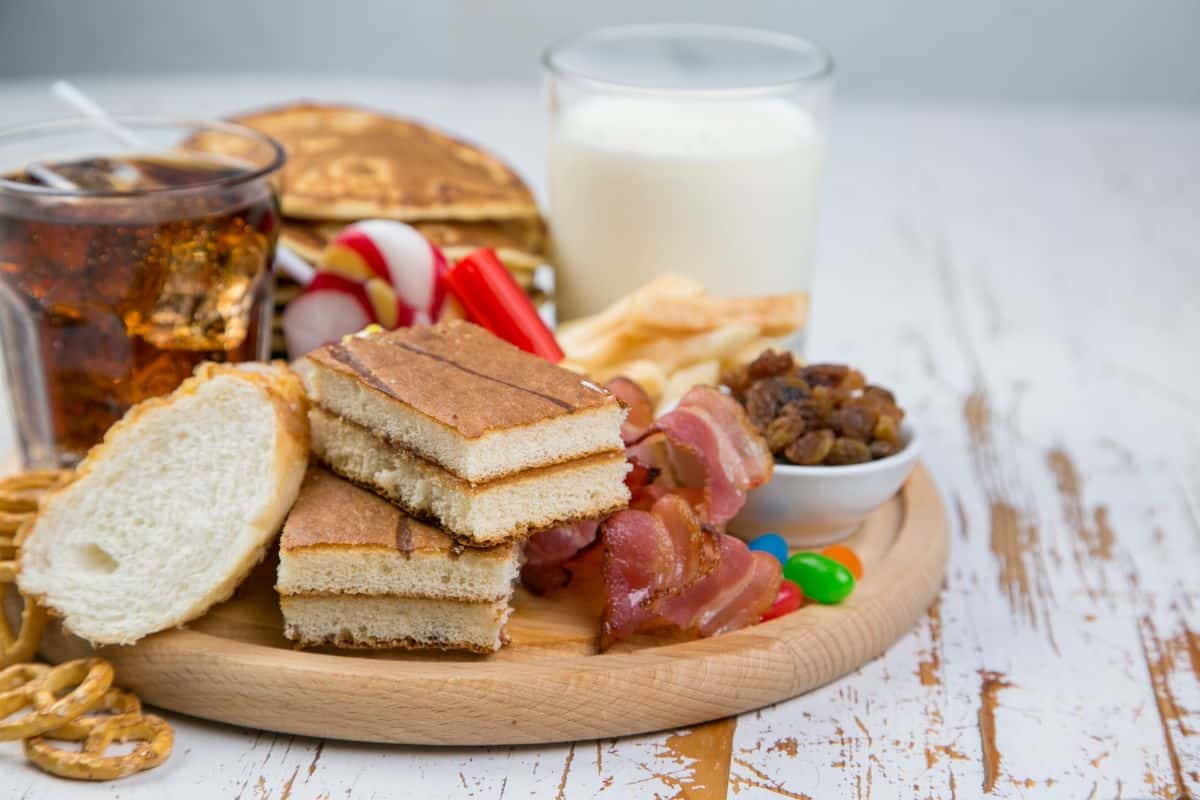
- Hard foods like chips and nuts can damage the healing site
- Sticky foods like caramel can pull at the clot
- Spicy foods may irritate sensitive tissue
- Hot foods can increase bleeding
- Fizzy drinks may disturb the clot
A gentle diet can really help protect the extraction site and keep your recovery smooth. Soft, cool foods are comforting and can help reduce inflammation. Remember, following good eating habits is an important part of dental care after a procedure.
Why Does Eating Too Soon Cause Problems?
If you’ve recently had tooth extraction surgery, it’s important to avoid eating solid foods too soon. Here is why:
Risk of Dry Socket
Dry socket occurs when the protective clot becomes dislodged. This exposes bone and nerves, leading to sharp pain. It also slows the healing process significantly.
Increased Pain and Sensitivity
Chewing solid food too early places pressure on the healing area. This can cause discomfort and swelling. It may even reopen the wound, extending recovery time.
Higher Chance of Infection
Food particles can get trapped in the extraction site. This creates a risk of infection if the area is not fully healed. Maintaining clean habits and careful eating reduces this risk.
Professional Guidance Makes a Difference
Following advice from a dentist ensures proper healing. Personalized instructions help patients recover safely and avoid unnecessary complications.
How Can You Return to Normal Eating Safely?
These are the factors you should look for before you start your normal diet:
Pay Attention to Your Body Signals
Healing varies from person to person. If you notice more pain when eating, it simply means your body needs a bit more time to heal. Remember, progress should feel gentle and natural, never rushed or uncomfortable.
Maintain Clean Oral Habits
Taking good care of your mouth really helps speed up your healing process! Gentle rinses are great for flushing away food particles, making you feel more comfortable. Just remember to wait until your extraction site is fully healed before brushing it to keep everything safe and healthy.
Follow Aftercare Instructions Closely
Aftercare instructions are here to help your healing process go smoothly. Every step you follow is important in avoiding complications. Remember, skipping these steps might slow down your recovery, so it’s best to follow them carefully.
Gradual Changes Lead to Better Results
Transitioning back to solid foods should be done gradually. Taking it slow and increasing a little by little gives your mouth time to get used to it smoothly and comfortably. Spicy dishes like green chili favorites may be tempting, but waiting until healing improves helps avoid irritation.
Events like the Taste of Colorado feature rich foods, so giving your mouth time to recover lets you enjoy them comfortably later. However, to ensure proper healing and avoid complications, it is best to book an appointment for personalized care.
Recover Safely After Tooth Extraction with Us
Getting back to solid foods after a tooth extraction is all about patience and listening to your body. Usually, folks start with soft solids in a few days and can enjoy regular meals after about a week. Just remember to take it slow and enjoy the healing journey at your own pace. A smooth recovery supports long-term oral health and comfort. If you are preparing for a procedure or need guidance during healing, now is the right time to act.
At Primary Dental, we provide thoughtful support at every stage, helping patients return to normal routines with confidence and ease. Whether you need follow-up care or a complete treatment, visit our dental office in Denver for professional care.
FAQs
1. How long should soft foods be followed after extraction?
Soft foods are usually recommended for several days after a procedure. This helps protect the clot and reduces irritation. The exact timeline depends on healing progress and overall comfort during recovery.
2. Can chewing on one side help protect the area?
Chewing on the opposite side is a simple yet effective way to reduce pressure on the extraction site. It helps prevent disturbance and creates a more comfortable environment for healing. This gives your body a better chance to recover smoothly.
3. Is mild discomfort normal when eating again?
Experiencing some mild discomfort as your mouth gets used to solid foods is quite normal. However, if you notice sharp or ongoing pain, it’s a good idea to have it checked out to ensure everything is okay.
4. When is it safe to eat crunchy foods again?
It’s best to avoid crunchy foods for now until your healing progresses. Giving it at least one to two weeks can really help protect the area and promote a smoother recovery.
5. Does food temperature affect healing?
Eating foods that are very hot might cause irritation and make bleeding worse. Try opting for lukewarm or cool foods, as they can be more comfortable and safer while you’re recovering. Taking this little step can help your healing process go more smoothly.
6. What signs suggest delayed healing?
If you experience ongoing pain, swelling, or a bad taste, it could be a sign that healing is taking longer than expected. It’s really important to seek prompt medical attention to avoid any further issues and ensure everything heals properly.
Share: