
5801 W 44th Ave Unit C, Denver, CO 80212, United States

Symptoms of Jaw Infection After Root Canal
Posted On May 15, 2026
A root canal is often the best way to save a damaged or infected tooth while relieving pain and protecting your smile. Modern root canal treatment is safe, effective, and designed to stop infection before it spreads. However, in some cases, a patient may experience lingering symptoms that could point to a jaw infection after treatment. Recognizing these warning signs early can help prevent more serious dental complications.
At Primary Dental, our team helps patients understand what is normal during recovery and what may require immediate attention. If you have recently undergone root canal therapy and notice unusual pain, swelling, or discomfort, it is important to seek professional dental care as soon as possible.
Understanding Root Canal Treatment
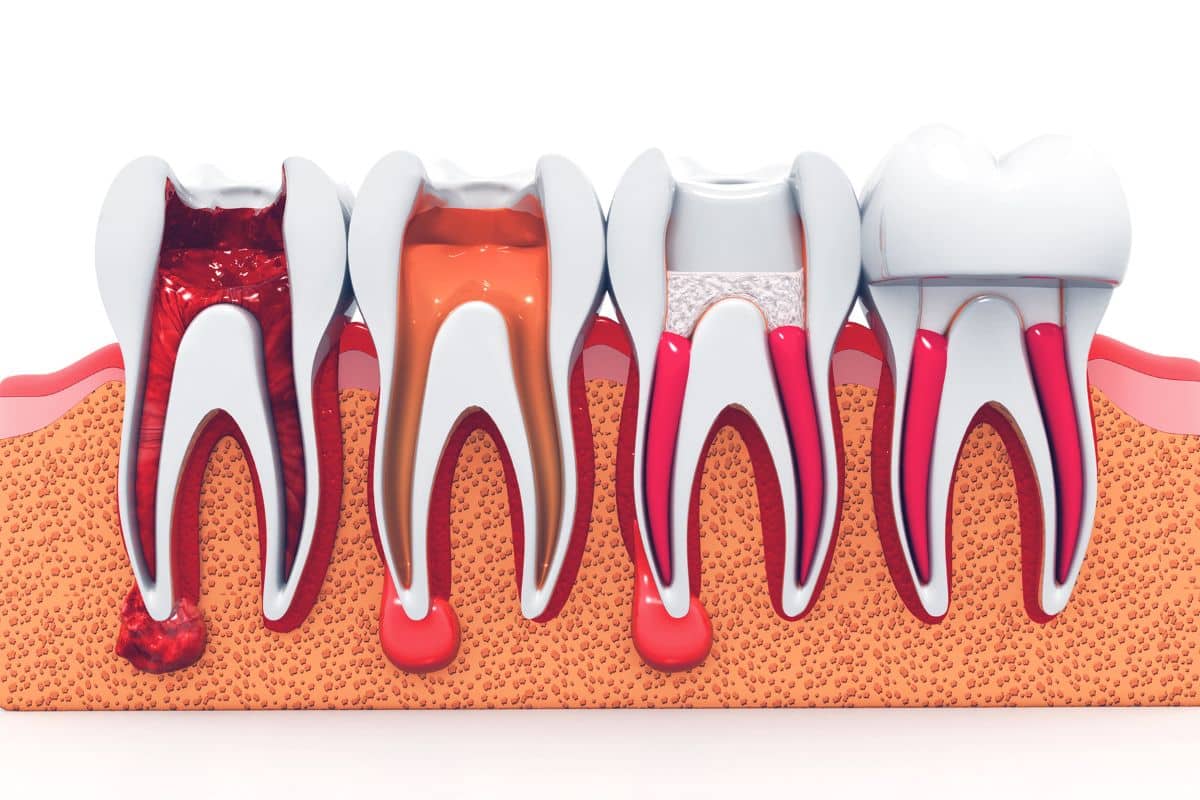
During a root canal, the infected pulp inside the tooth is removed, the canals are cleaned and disinfected, and the tooth is sealed to prevent future infection. This procedure is commonly recommended when deep decay, cracks, or trauma allow bacteria to reach the inner pulp of the tooth.
Most patients recover well after treatment, especially when they follow proper aftercare instructions. Mild soreness for a few days is normal. However, persistent symptoms may indicate that bacteria remain in the tooth or surrounding jawbone.
Can a Jaw Infection Happen After a Root Canal?
Although root canals have a high success rate, infections can occasionally return or develop afterward. A jaw infection may occur if:
- Bacteria remain in tiny, hard-to-reach root canals
- A crown or filling becomes loose
- The tooth cracks after treatment
- Reinfection develops due to delayed restoration
- The infection spreads into the surrounding bone tissue
In these situations, the infection can affect the jawbone, gums, or nearby teeth, causing discomfort and swelling that should never be ignored.
Common Symptoms of Jaw Infection After Root Canal
Knowing the warning signs can help you act quickly before the infection worsens. Here are the most common symptoms patients may experience.
Persistent or Severe Pain
Some soreness after a root canal is expected, but intense pain that lasts more than a few days is not normal. If you feel throbbing pain deep in the tooth or jaw, especially when chewing or biting, it may indicate an infection.
Pain that worsens instead of improving is another major red flag. Many patients describe the discomfort as pressure-like or radiating into the jaw and face.
Swelling Around the Jaw or Gums
Swelling is one of the clearest symptoms of infection. You may notice puffiness in the gums near the treated tooth, swelling in the cheek, or tenderness along the jawline.
In more serious cases, facial swelling can spread beyond the tooth area and become visibly noticeable. This type of swelling should be evaluated immediately by a dental professional.
Pus or Drainage
A bad taste in your mouth or fluid draining from the gums can indicate an abscess. Pus is a sign that the body is fighting infection.
Sometimes a small pimple-like bump, called a fistula, forms on the gums near the treated tooth. This bump may release fluid or blood and often points to a deeper infection within the jawbone.
Fever or Feeling Unwell
Dental infections can affect your overall health. If you develop fever, fatigue, chills, or swollen lymph nodes after a root canal, the infection may be spreading beyond the tooth.
This is especially important because untreated oral infections can eventually impact other areas of the body.
Difficulty Chewing or Opening the Mouth
Jaw infections may cause stiffness, tenderness, or pain while chewing. Some patients also experience limited jaw movement or discomfort when opening their mouth fully.
Inflammation in the surrounding tissues can place pressure on the jaw muscles and joints, making normal activities uncomfortable.
Persistent Sensitivity
Temporary sensitivity after root canal therapy is common, but prolonged sensitivity to pressure, heat, or cold may signal that the tooth has not healed properly.
If the treated tooth remains highly sensitive weeks after the procedure, it is worth having it examined.
Bad Breath or Unpleasant Taste
A lingering infection can produce foul-smelling bacteria inside the mouth. Chronic bad breath or a persistent unpleasant taste may point to an infection around the treated tooth.
Even with good brushing and flossing habits, these symptoms may continue until the infection is treated properly.
Why Jaw Infections Should Never Be Ignored
An untreated jaw infection can become serious over time. Oral bacteria may spread into the jawbone, neighboring teeth, soft tissues, or even the bloodstream.
Ignoring symptoms could lead to:
- Bone loss around the tooth
- Tooth extraction
- Gum damage
- Facial swelling
- Worsening infection
- Additional dental procedures
Prompt treatment greatly improves the chances of saving the tooth and restoring oral health.
What Causes Infection After Root Canal Therapy?
Several factors may contribute to post-treatment infections.
Complex Root Canal Anatomy
Some teeth have curved or narrow canals that are difficult to clean completely. Even advanced dental technology may occasionally miss tiny areas where bacteria can hide.
Delayed Crown Placement
After a root canal, many teeth require a dental crown for protection. Waiting too long to restore the tooth can allow bacteria to re-enter and cause reinfection.
Cracked or Damaged Tooth
If the treated tooth becomes cracked, bacteria may penetrate the seal and create a new infection.
Poor Oral Hygiene
Good brushing, flossing, and routine dental visits are essential after treatment. Without proper oral care, bacteria can build up around the restored tooth.
How Dentists Treat Jaw Infections After a Root Canal
The treatment depends on the severity and cause of the infection.
Antibiotics
Dentists may prescribe antibiotics to help control bacterial infection and reduce swelling.
Root Canal Retreatment
Sometimes the tooth needs to be reopened and cleaned again. During retreatment, the dentist removes the previous filling material, disinfects the canals thoroughly, and reseals the tooth.
Apicoectomy
In certain cases, an apicoectomy may be recommended. This procedure removes the infected root tip and surrounding tissue to stop the infection from spreading further.
Tooth Extraction
If the tooth cannot be saved, extraction may become necessary to protect surrounding teeth and jaw structures.
Tips to Prevent Infection After Root Canal
You can lower your risk of complications by following these aftercare tips:
- Take all medications exactly as prescribed
- Avoid chewing hard foods on the treated tooth
- Maintain excellent oral hygiene
- Attend follow-up appointments
- Get your permanent crown placed promptly
- Contact your dentist if symptoms worsen
Routine dental visits also help identify small problems before they become serious infections.
When Should You Call a Dentist?
You should contact a dental professional immediately if you experience:
- Severe pain lasting more than a few days
- Swelling in the face or jaw
- Fever or chills
- Drainage or pus
- Difficulty swallowing or breathing
- Persistent sensitivity
- A loose crown or filling
Early intervention often prevents more extensive treatment later.
Root Canal Care in Denver
At Primary Dental, our team provides advanced root canal treatment and endodontic services to help patients preserve their natural teeth comfortably and effectively. We use modern technology and personalized care to diagnose infections early and support healthy recovery after treatment.
Whether you are experiencing unusual symptoms after treatment or need an evaluation for tooth pain, we are here to help restore your comfort and confidence.
Schedule Your Appointment at Primary Dental
If you notice symptoms of a jaw infection after a root canal, do not wait for the problem to worsen. The experienced team at Primary Dental is committed to helping Denver patients protect their oral health with compassionate, advanced dental care.
If you are experiencing discomfort, swelling, or persistent tooth pain, visit our dental office today for expert evaluation and treatment. Book an appointment and take the next step toward a healthier, pain-free smile.
Frequently Asked Questions
1. Is jaw pain normal after a root canal?
Mild soreness is normal for a few days after treatment. However, severe or worsening jaw pain may indicate infection or complications that require professional care.
2. How long does swelling last after root canal therapy?
Minor swelling usually improves within a few days. Persistent or increasing swelling should be evaluated by a dentist immediately.
3. Can a root canal infection spread to the jawbone?
Yes. If bacteria remain inside the tooth or surrounding tissues, the infection can spread into the jawbone and nearby areas.
4. What does an infected root canal feel like?
Patients often experience throbbing pain, swelling, pressure, tenderness while chewing, bad taste, or drainage from the gums.
5. Can antibiotics alone fix a jaw infection?
Antibiotics may reduce infection temporarily, but many cases also require dental treatment to fully remove the source of infection.
6. How can I prevent complications after root canal treatment?
Follow all aftercare instructions, maintain good oral hygiene, avoid hard foods, and attend follow-up appointments to ensure proper healing.
Share: