
5801 W 44th Ave Unit C, Denver, CO 80212, United States

When Is the Right Time for Dental Implants After Tooth Loss?
Posted On May 26, 2026
Losing a tooth can affect much more than your smile. It can impact your confidence, chewing ability, speech, and even your long-term oral health. Many patients wonder how soon they should replace a missing tooth and whether waiting too long could create additional dental problems. One of the most effective and long-lasting solutions available today is a dental implant. But timing matters more than many people realize.
At Primary Dental, we help patients throughout Denver restore their smiles with personalized implant solutions designed to fit their oral health needs and lifestyle. Whether you recently lost a tooth or have been missing teeth for years, understanding the right timing for treatment can help you make the best decision for your smile and overall health.
Why Replacing Missing Teeth Quickly Matters
After tooth loss, the jawbone underneath the missing tooth begins to shrink over time. This process, known as bone resorption, happens because the bone is no longer stimulated by the tooth root. As the bone weakens, nearby teeth can shift out of place, your bite may change, and your facial appearance can gradually be affected.
Many Denver patients delay treatment because the missing tooth is not visible when they smile or because they are unsure about their options. However, waiting too long can sometimes make treatment more complicated. In some cases, additional procedures such as bone grafting may be needed before a dental implant can be placed.
Replacing missing teeth promptly can help preserve your jawbone, maintain proper alignment, and restore normal function sooner.
What Is a Dental Implant?
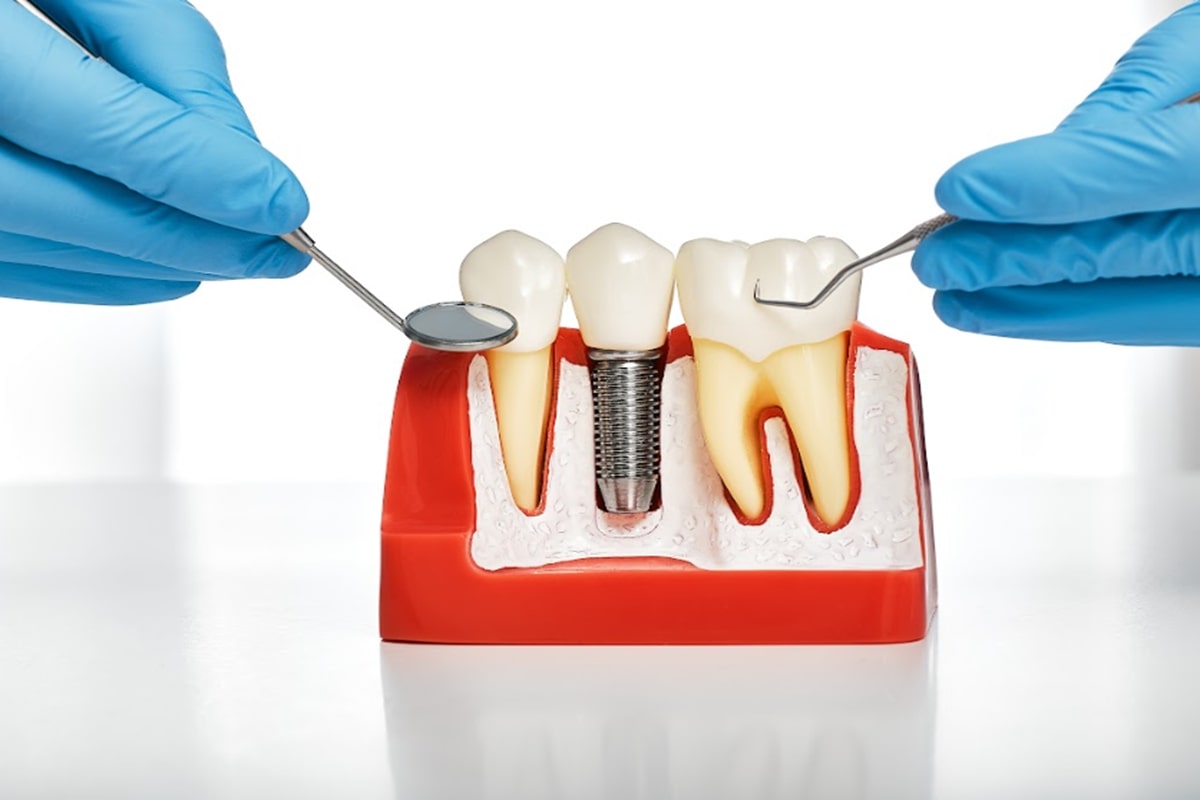
A dental implant is a small titanium post that is surgically placed into the jawbone to act as an artificial tooth root. Once the implant integrates with the bone, a custom dental crown is attached to complete the restoration.
Dental implants are popular because they look, feel, and function like natural teeth. Unlike removable dentures, implants stay securely in place and help stimulate the jawbone to prevent bone loss.
Many patients in Denver choose implants because they provide a durable, natural-looking solution that can last for decades with proper care.
So, When Is the Right Time for Dental Implants?
The ideal timing depends on several factors, including your oral health, the condition of your jawbone, and how the tooth was lost. Here are the most common timelines for implant placement.
Immediate Dental Implant Placement
In some situations, a dental implant can be placed immediately after a tooth extraction. This approach is known as immediate implant placement.
Patients who qualify for immediate implants typically have:
- Healthy gums
- Strong jawbone density
- No active infection
- Good overall oral health
Immediate placement can reduce treatment time and may help preserve the natural shape of the gums and jawbone. Many patients also appreciate having fewer surgical appointments.
However, not everyone is a candidate for this option. Your implant dentist will evaluate your mouth carefully before recommending immediate placement.
Early Implant Placement
Early implant placement usually occurs several weeks to a few months after tooth extraction. This timeframe allows the gums and surrounding tissues to heal before the implant is inserted.
This approach is common when:
- Mild infection was present
- Additional healing is needed
- Gum tissue requires recovery
- Minor bone preservation is necessary
For many Denver patients, this timeline offers an excellent balance between healing and preserving bone structure.
Delayed Implant Placement
Some patients wait several months or even years before seeking implant treatment. While dental implants can still be successful after long-term tooth loss, additional treatment may sometimes be necessary.
Delayed implant placement may require:
- Bone grafting
- Sinus lifts
- Gum treatments
- Orthodontic adjustments
Although treatment may become more complex over time, modern implant dentistry can often help patients restore their smiles even after years of missing teeth.
How Bone Loss Affects Timing
Bone health is one of the most important factors in successful implant treatment. After a tooth is lost, bone deterioration can begin within the first few months.
Patients with significant bone loss may need a bone graft before receiving a dental implant. A bone graft rebuilds and strengthens the jawbone to securely support the implant.
At Primary Dental, we use advanced imaging technology to evaluate bone structure and determine the most effective treatment plan for each patient.
Signs You Should Consider Dental Implants Soon
If you are unsure whether it is time to replace a missing tooth, watch for these signs:
- Difficulty chewing certain foods
- Shifting teeth
- Jaw discomfort
- Changes in bite alignment
- Loss of confidence when smiling
- Sunken facial appearance
- Gaps causing food traps
Even a single missing tooth can create long-term dental complications if left untreated.
Why Denver Patients Choose Dental Implants
Dental implants offer several benefits that make them one of the most trusted restorative treatments available today.
Natural Appearance
Implants are designed to blend seamlessly with your natural smile. Custom crowns are carefully matched to the color and shape of surrounding teeth.
Long-Term Durability
With proper care, dental implants can last many years or even a lifetime. They are one of the most durable tooth replacement options available.
Improved Comfort
Unlike removable dentures, implants remain fixed in place. Patients can eat, speak, and smile confidently without worrying about movement.
Better Oral Health
Dental implants help maintain jawbone strength and prevent nearby teeth from shifting.
Easy Maintenance
You can care for implants just like natural teeth with brushing, flossing, and regular dental checkups.
What to Expect During the Dental Implant Process
Many patients feel nervous about implant treatment because they are unfamiliar with the process. Fortunately, modern implant dentistry is highly predictable and comfortable.
Step 1: Consultation and Evaluation
Your implant dentist will examine your teeth, gums, and jawbone using digital imaging technology. A personalized treatment plan will be created based on your needs.
Step 2: Tooth Extraction (If Needed)
If a damaged tooth remains, it may need to be removed before implant placement.
Step 3: Implant Placement
The titanium implant is carefully inserted into the jawbone. Local anesthesia helps keep patients comfortable during the procedure.
Step 4: Healing and Integration
Over several months, the implant fuses naturally with the jawbone through a process called osseointegration.
Step 5: Final Restoration
Once healing is complete, a custom dental crown is attached to restore the appearance and function of the tooth.
Localized Dental Care for Denver Patients
Living in Denver comes with an active lifestyle. Whether you enjoy hiking near Red Rocks, biking around Cherry Creek, or spending weekends exploring Colorado’s outdoors, healthy teeth play an important role in everyday comfort and confidence.
At Primary Dental, we understand the needs of Denver families and provide compassionate, patient-focused care in a welcoming environment. Our team works closely with each patient to create treatment plans that support both immediate needs and long-term oral health goals.
We also know that Colorado’s dry climate can sometimes contribute to oral health concerns like dry mouth, which may affect healing and gum health. That is why personalized aftercare and preventive guidance are an important part of our implant process.
How to Know If You Are a Candidate for Dental Implants
Many adults are good candidates for implants, even if they have experienced tooth loss for years.
You may qualify if you:
- Have healthy gums
- Have adequate jawbone support
- Do not smoke heavily
- Maintain good oral hygiene
- Are generally in good health
Even if you have bone loss or gum disease, treatments may still help prepare your mouth for successful implant placement.
The best way to know your options is to visit our dental office for a professional consultation.
Restore Your Smile With Primary Dental
If you are missing one or more teeth, now may be the right time to explore your options for dental implant treatment. Waiting too long can lead to additional oral health complications, but early treatment can help preserve your smile and confidence.
At Primary Dental, our experienced implant dentist is committed to helping Denver patients achieve healthy, beautiful smiles with personalized care and advanced technology. Whether you recently lost a tooth or have been considering implants for years, we are here to guide you through every step of the process.
Visit our dental office today to learn more about your treatment options and take the next step toward restoring your smile. Contact Primary Dental to book an appointment and schedule your personalized dental implant consultation.
FAQs
1. How long should I wait after losing a tooth to get a dental implant?
The timeline varies depending on your oral health and healing needs. Some patients can receive implants immediately after extraction, while others may need several weeks or months of healing first.
2. Can I get a dental implant years after tooth loss?
Yes. Many patients successfully receive implants years after losing teeth. However, bone grafting may be necessary if significant bone loss has occurred.
3. Are dental implants painful?
Most patients report minimal discomfort during the procedure. Local anesthesia and modern techniques help make treatment comfortable.
4. How long do dental implants last?
With proper care and regular dental visits, implants can last for decades.
5. Is a dental implant better than a bridge?
Dental implants are often preferred because they preserve jawbone health and do not require modifying adjacent teeth.
6. How do I care for my dental implant?
Brush and floss daily, avoid smoking, and maintain regular dental cleanings and exams.
Share: