
5801 W 44th Ave Unit C, Denver, CO 80212, United States

What to Expect During the First 30 Days After Dental Implant Surgery
Posted On July 30, 2026
Getting a dental implant is one of the best long-term investments you can make in your smile. But if you’re staring down the calendar wondering what recovery actually looks like, you’re not alone. Many patients feel anxious simply because they don’t know what’s “normal” after dental implant surgery, and that uncertainty can be more stressful than the procedure itself.
The good news: recovery follows a fairly predictable path, and most discomfort is manageable and short-lived. This guide walks you through exactly what to expect week by week during your first 30 days, so you can heal with confidence and know when something needs a second look.
Why the First 30 Days Matter So Much
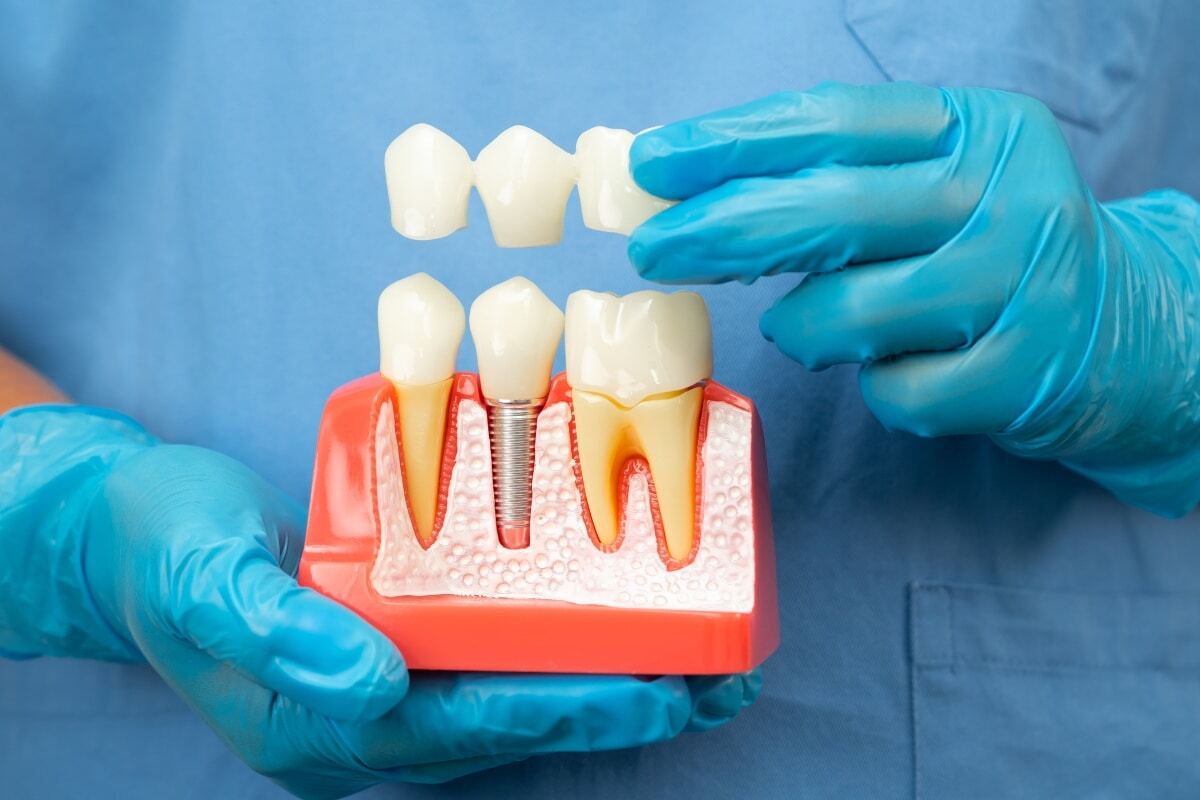
The initial month after dental implant surgery is when your jawbone begins fusing with the titanium implant post, a process called osseointegration. This foundation determines how stable and long-lasting your implant will be.
Taking recovery seriously now means fewer complications later, and a smile that can truly last for decades.
Week 1: Initial Healing and Swelling
The first few days are typically the most intense part of recovery.
- Swelling and bruising around the cheeks and gums, peaking around day 2–3
- Mild to moderate discomfort, usually controlled with prescribed or over-the-counter pain relief
- Minor bleeding or oozing, which should taper off within 24–48 hours
- Soft, cool foods like yogurt, mashed potatoes, and smoothies are your best friends
Tips for a Smoother First Week
Rest is not optional here; it’s part of the treatment. Avoid strenuous activity, keep your head elevated while sleeping, and apply cold compresses in 15-20 minute intervals to reduce swelling.
Avoid smoking, alcohol, and using straws, as suction can disturb the healing site.
Week 2: Symptoms Begin to Fade
By the second week, most patients notice a significant improvement.
- Swelling and bruising largely subside
- Soreness becomes mild and infrequent
- Stitches (if non-dissolvable) may be removed by your dentist
- You can gradually reintroduce slightly firmer foods, while still avoiding anything hard, crunchy, or sticky
This is also when patients often return to work or normal daily routines, especially for desk-based jobs.
Weeks 3–4: Settling Into Recovery
This stage is quieter, which is exactly what you want. Your gums continue to heal on the surface, while underneath, the real work of osseointegration is happening.
- Gum tissue looks pink and healthy
- Any lingering tenderness is minimal
- You can maintain a fairly normal diet, though caution around the implant site is still wise
- Oral hygiene becomes especially important to prevent infection around the healing implant
Keeping the Site Clean
Gently brushing around the implant area and using an antimicrobial rinse (if recommended) helps protect the site without disrupting healing. Your dental team will guide you on when to resume normal flossing near the area.
What’s Considered Normal vs. What Needs Attention
Every recovery looks slightly different, but there are signs worth flagging to your dentist.
Normal:
- Mild swelling that improves daily
- Occasional dull soreness
- Slight discoloration of the gum
Contact your dentist if you notice:
- Increasing pain after day 4 or 5
- Persistent bad taste or odor
- Fever
- Implant feels loose or mobile
Catching issues early is one of the simplest ways to protect your investment in dental implant surgery, so don’t hesitate to reach out with questions.
Long-Term Outlook Beyond Day 30
While the first month covers the most noticeable healing, full osseointegration can take three to six months before the permanent crown is placed. Think of these 30 days as the critical foundation phase; the calmer, steadier the healing, the stronger the long-term result.
Common Patient Questions
How much pain should I expect after dental implant surgery?
Most patients describe the discomfort as similar to a tooth extraction, manageable with standard pain medication and noticeably better within a few days.
When can I go back to work?
Many people return to desk jobs within 1–3 days. Physically demanding jobs may require a slightly longer break, often up to a week.
Can I brush my teeth normally after surgery?
You can brush most of your mouth normally right away, but you’ll want to be gentle around the implant site for the first week or two, as your dentist advises.
What foods should I avoid during recovery?
Steer clear of hard, crunchy, sticky, or very hot foods for the first couple of weeks. Soft, nutrient-rich foods support healing better anyway.
Is it normal for the implant area to feel numb?
Mild numbness or tingling near the site can occur temporarily due to swelling or the healing process. If it persists beyond a couple of weeks, it’s worth mentioning at your follow-up visit.
Will I need multiple follow-up visits?
Yes, follow-ups let your dental team monitor healing and confirm osseointegration is progressing as expected before moving to the next stage.
Final Thoughts and Next Steps
Recovering from dental implant surgery is a gradual, well-understood process and knowing what to expect makes it far less intimidating. With good aftercare, patience, and support from your dental team, most patients settle comfortably into their new normal well before the 30-day mark.
If you’re considering dental implants or have questions about your recovery so far, Primary Dental in Denver, CO 80212 is here to help. Our team walks every patient through personalized aftercare guidance so healing feels straightforward from day one.
Schedule your appointment today and take the next confident step toward a healthier, more complete smile.
Share: