
5801 W 44th Ave Unit C, Denver, CO 80212, United States

Are Dental Implants the Ideal Solution for Your Missing Teeth in Denver?
Posted On August 26, 2026
Missing teeth can affect more than your smile they can change the way you eat, speak, and feel about yourself in everyday conversations. If you’ve been searching for a long-term way to restore your bite and confidence, you’ve probably come across one option again and again: dental implants in Denver.
But are they really the right choice for you? In this guide, we’ll break down how dental implants work, who they’re best suited for, and what to expect if you decide to move forward so you can make an informed decision with confidence.
What Are Dental Implants, Exactly?
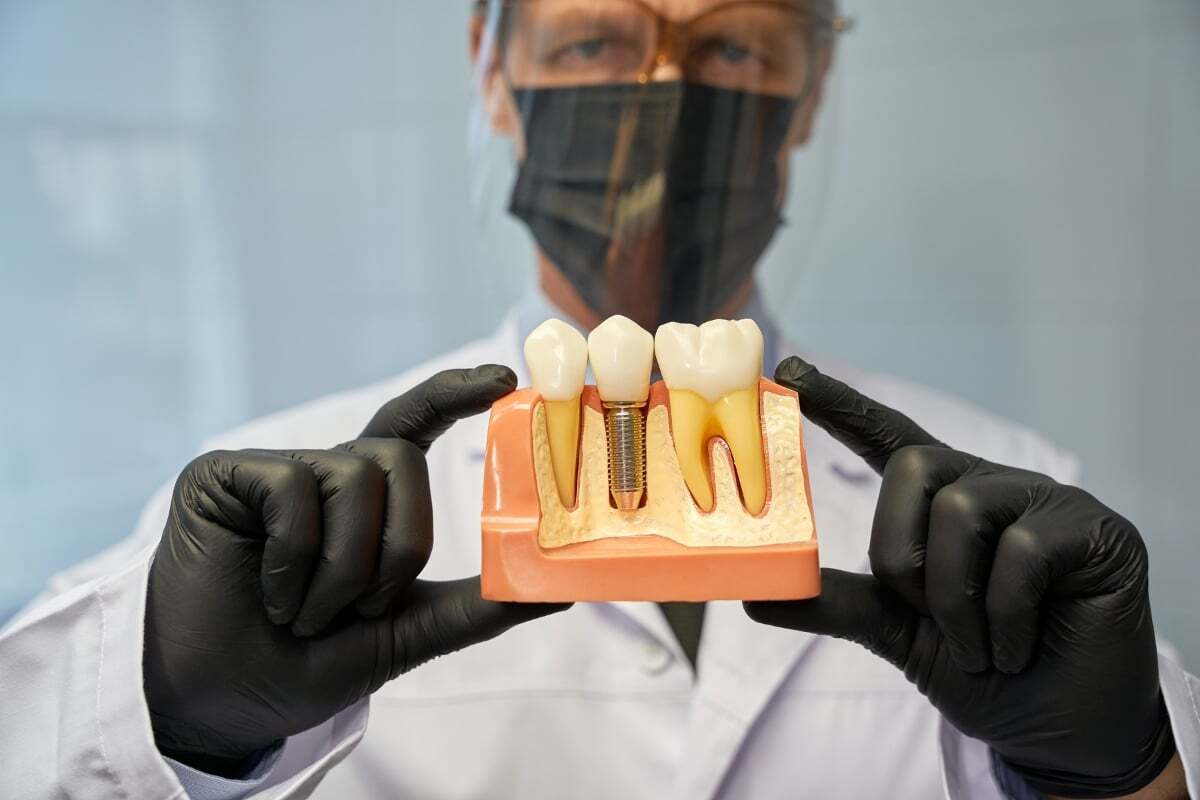
A dental implant is a small titanium post that’s placed into the jawbone, acting as an artificial tooth root. Once it fuses with the bone (a process called osseointegration), a custom-made crown is attached on top.
Unlike dentures or bridges, implants don’t rely on surrounding teeth for support. They stand on their own, functioning much like a natural tooth.
- Replace a single missing tooth
- Support a bridge for multiple missing teeth
- Anchor a full set of dentures for added stability
Why So Many Denver Residents Are Choosing Implants
Denver’s active, health-conscious lifestyle means people want dental solutions that keep up whether that’s hiking in the foothills or enjoying a meal downtown without worrying about a slipping denture. This is a big reason dental implants Denver patients choose them over older methods.
They Look and Feel Natural
Because the crown is custom-shaded and shaped to match your smile, implants blend in seamlessly. Most people won’t even notice you have one.
They Help Preserve Jawbone Health
When a tooth is missing, the underlying jawbone can gradually shrink from lack of stimulation. Implants help prevent this bone loss, which also supports your facial structure over time.
They’re Built to Last
With proper care, dental implants can last decades often a lifetime making them a genuinely long-term investment rather than a temporary fix.
Who Is a Good Candidate for Dental Implants?
Implants aren’t automatically the right fit for everyone, and a thoughtful evaluation matters more than a one-size-fits-all answer. Generally, good candidates:
- Have healthy gums free of active periodontal disease
- Have adequate jawbone density (or are open to bone grafting if needed)
- Are in good general health
- Don’t smoke heavily, as this can slow healing
If you’re missing one tooth, several teeth, or all of your teeth, there’s likely an implant-based solution suited to your situation. This is exactly why a consultation for dental implants in Denver typically starts with a detailed exam and imaging so your provider can map out the safest, most effective plan for your mouth specifically.
Dental Implants vs. Bridges vs. Dentures
It helps to see how implants compare to other common options.
Bridges
Bridges replace a missing tooth by anchoring to the teeth on either side. They work well but require reshaping healthy teeth, which some patients want to avoid.
Traditional Dentures
Dentures are removable and more affordable upfront, but they can shift while eating or speaking and may need periodic relining.
Implants
Implants are the only option that replaces the tooth root itself, offering the closest match to a natural tooth in both function and feel.
What Does the Dental Implant Process Involve?
While every case is unique, the general journey looks like this:
- Consultation and imaging to assess bone density and oral health
- Implant placement, where the titanium post is inserted into the jaw
- Healing period (typically a few months) for the bone to fuse with the implant
- Crown placement, completing the restoration
Many patients are surprised to learn the procedure is done under local anesthesia, and discomfort afterward is usually manageable with over-the-counter pain relief.
Cost Considerations
Cost varies based on the number of implants needed, whether bone grafting is required, and your specific treatment plan. While implants may have a higher upfront cost than dentures, their durability often makes them more cost-effective over the years, since they typically don’t require frequent replacement or adjustment.
Many dental offices also offer financing options to help make treatment more manageable.
Are There Any Downsides?
It’s fair to consider the potential drawbacks too:
- Treatment can take several months from placement to final crown
- Not everyone qualifies immediately without bone grafting
- Upfront cost is generally higher than removable dentures
For most patients, though, the long-term benefits comfort, function, and confidence outweigh these considerations.
Common Patient Questions
Does getting a dental implant hurt?
Most patients report the procedure is far more comfortable than expected. It’s performed under local anesthesia, and any post-procedure soreness is usually manageable with standard pain relief.
How long do dental implants really last?
With good oral hygiene and regular checkups, implants can last 20+ years, and many last a lifetime.
Can I get an implant if I’ve been missing a tooth for years?
Often, yes. If bone loss has occurred, a bone graft can help rebuild the area so an implant can be placed successfully.
Will my implant look fake?
No. The crown is custom-matched to your natural tooth color and shape, so it blends in naturally with your smile.
Am I too old to get dental implants?
Age alone isn’t a barrier. What matters most is your overall health and jawbone condition, which your dentist can evaluate during a consultation.
How do I know if implants are right for me?
The best way to find out is a personalized evaluation, since factors like bone density and gum health vary from person to person.
Final Thoughts: Are Implants Right for You?
For many people dealing with missing teeth, implants offer a natural, durable, and confidence-restoring solution one that supports both oral health and everyday quality of life. If you’ve been weighing your options for dental implants in Denver, the best next step is a personalized consultation to understand what’s realistic for your smile.
At Primary Dental, located in Denver, CO 80212, our team takes the time to walk you through your options, answer your questions, and build a treatment plan around your needs not a generic script.
Schedule your appointment today and take the first step toward a smile that feels as good as it looks.
Share: