
5801 W 44th Ave Unit C, Denver, CO 80212, United States

When Do Dental Implants Need to Be Replaced? Signs Denver Patients Should Know
Posted On October 2, 2026
Dental implants are often praised as a long-term, even “permanent,” solution for missing teeth and for good reason. With proper care, they can last for decades. But “long-lasting” doesn’t always mean “forever,” and many patients in Denver wonder when their dental implants might need attention or replacement.
The good news? Implant failure or the need for replacement is relatively rare. Still, knowing the warning signs can help you catch a problem early, avoid bigger dental issues down the road, and keep your smile healthy for years to come.
In this guide, we’ll walk through the signs that your dental implants may need to be checked, repaired, or replaced so you know exactly what to watch for and when to call your dentist.
How Long Do Dental Implants Typically Last?
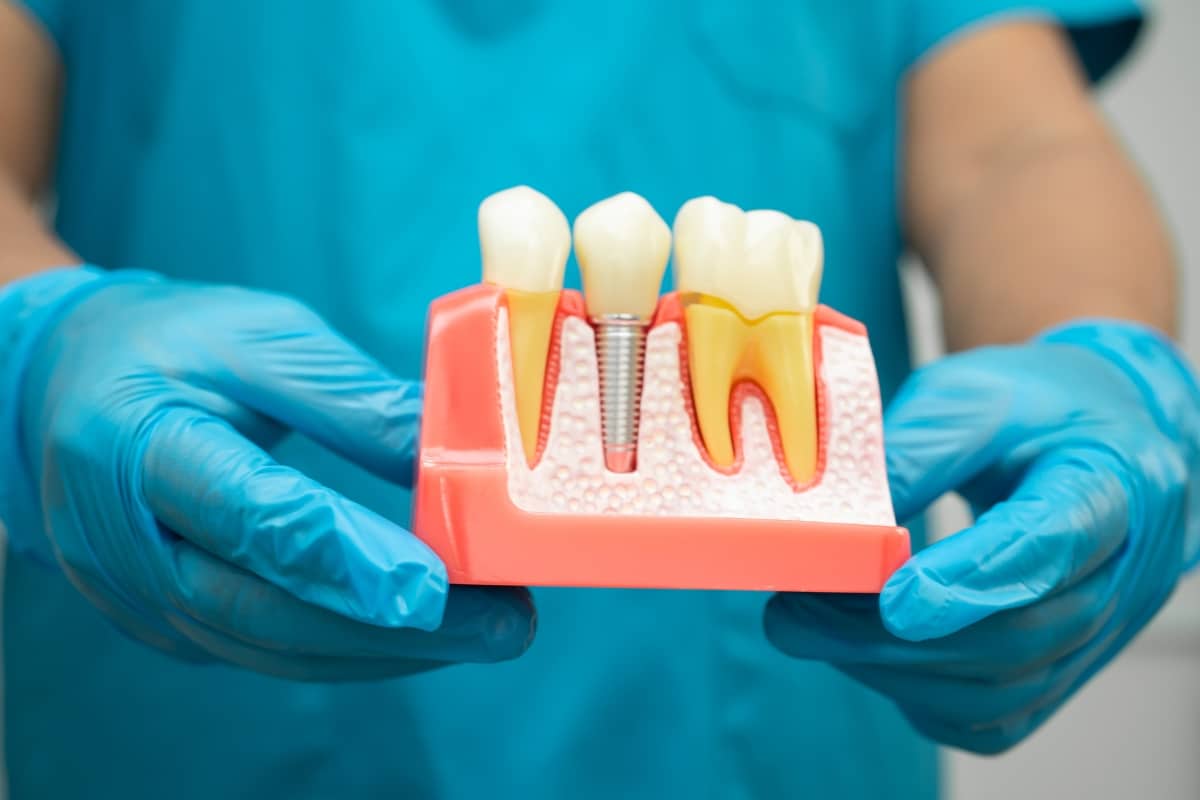
Dental implants are designed to be a durable, long-term tooth replacement option. The titanium implant post that fuses with your jawbone can often last a lifetime, while the crown on top (the visible part of the tooth) typically lasts 10 to 15 years before it may need replacing due to normal wear.
That said, several factors affect how long your dental implants last, including:
- Oral hygiene habits
- Overall gum and bone health
- Bite pressure and grinding habits
- Smoking or tobacco use
- Regular dental checkups
Because every patient’s mouth is different, it’s important to monitor your implants over time rather than assume they’ll never need adjustment.
Common Signs Your Dental Implants May Need Attention
Most dental implants function beautifully for years without issue. However, if something feels off, it’s worth paying attention. Here are the most common signs patients should watch for.
1. Persistent Pain or Discomfort
A little soreness after implant placement is normal, but ongoing pain months or years later is not. Persistent discomfort near the implant site could point to infection, bone loss, or an issue with the implant itself.
2. Swelling or Redness Around the Gums
Healthy gum tissue around a dental implant should look similar to the gums around your natural teeth. If you notice ongoing swelling, redness, or tenderness, it could be an early sign of peri-implantitis a gum infection that affects the tissue and bone supporting the implant.
3. A Loose or Shifting Implant
While dental implants are built to be stable, a loose implant is never something to ignore. This could mean the implant has failed to properly bond with the jawbone, or that the abutment or crown has come loose.
4. Difficulty Chewing or Biting Discomfort
If chewing suddenly feels uncomfortable, uneven, or painful, your bite alignment may have shifted, or there could be an underlying structural issue with the implant.
5. Visible Gum Recession Around the Implant
Gum recession can expose the metal portion of the implant, which may affect both appearance and long-term stability. This is often a gradual change, so regular dental visits help catch it early.
6. Bad Breath or Unusual Taste That Won’t Go Away
Persistent bad breath or an unpleasant taste near the implant site can sometimes signal a bacterial infection around the implant that needs professional evaluation.
If you notice any of these signs, it doesn’t automatically mean you need a full replacement but it does mean it’s time to have your implant checked by a professional.
What Causes Dental Implants to Fail?
Understanding the “why” behind implant issues can help you prevent them in the first place. Common causes include:
- Poor oral hygiene: Plaque buildup around the implant can lead to gum disease.
- Smoking: Tobacco use significantly slows healing and increases failure risk.
- Insufficient jawbone density: Without enough bone support, implants can loosen over time.
- Teeth grinding (bruxism): Excess pressure can damage the implant or crown.
- Untreated gum disease: Existing periodontal issues can affect implant stability.
- Improper placement: Though rare with an experienced provider, implant positioning matters for long-term success.
Choosing an experienced dental team for your initial implant placement plays a major role in reducing these risks from the start.
How Denver’s Climate and Lifestyle Can Play a Role
Denver’s high altitude, dry climate, and active outdoor lifestyle can indirectly affect oral health. Dry mouth more common in low-humidity environments can increase bacteria buildup if hydration and oral hygiene aren’t prioritized. Staying hydrated and maintaining a consistent oral care routine can help protect both your natural teeth and your dental implants.
When Replacement Becomes Necessary
In some cases, a full implant replacement is the best path forward. This is typically considered when:
- The implant has failed to bond with the jawbone (implant failure)
- There’s significant bone loss around the implant
- Infection has progressed beyond non-surgical treatment
- The implant crown is significantly damaged or worn beyond repair
Replacement may sound intimidating, but modern dental implant procedures are well-established, predictable, and designed with long-term comfort in mind.
How to Extend the Life of Your Dental Implants
Preventive care goes a long way. To help your implants last as long as possible:
- Brush twice daily and floss around the implant carefully
- Use an antimicrobial mouth rinse if recommended by your dentist
- Avoid chewing excessively hard foods or ice
- Wear a nightguard if you grind your teeth
- Schedule regular dental checkups and cleanings
- Avoid smoking or tobacco products
Routine visits allow your dentist to catch small issues before they become bigger, more costly problems.
Trust Experienced Care for Your Dental Implants in Denver
At Primary Dental in Denver, we understand that dental implants are a meaningful investment in your oral health and confidence. Our experienced team takes a thorough, patient-centered approach from initial consultation to long-term implant care to help ensure your results last.
Whether you’re considering dental implants for the first time or you’re concerned about an existing implant, we’re here to provide clear answers and honest guidance.
Common Patient Questions About Dental Implants
Is it normal for a dental implant to feel different years later?
Some changes in sensation are normal, but noticeable discomfort, looseness, or swelling should always be evaluated by a dentist.
Can a failing dental implant be saved instead of replaced?
Yes, in many cases. Early-stage issues like mild gum inflammation can often be treated without needing a full replacement.
Does insurance typically help cover implant replacement?
Coverage varies by provider and plan. Our team can help you understand your options during a consultation.
How do I know if it’s a problem with the crown or the implant itself?
A dental exam, often including X-rays, can determine whether the issue is with the visible crown or the implant post beneath the gum.
Are dental implant problems common?
No dental implants have a high long-term success rate. Most issues arise from preventable factors like smoking or poor oral hygiene.
What should I do if I think something is wrong with my implant?
Don’t wait. Early evaluation often leads to simpler, less invasive treatment.
Schedule Your Appointment Today
If you’re noticing any changes with your dental implants or if you’re exploring implants for the first time the team at Primary Dental in Denver is here to help. Schedule your appointment today and take the next step toward a healthy, confident smile.
Share: