
5801 W 44th Ave Unit C, Denver, CO 80212, United States

Compassionate Root Canal Therapy to Save Your Natural Tooth
Severe tooth pain, lingering sensitivity, swelling, or discomfort while chewing can all be signs of an infected tooth. At Primary Dental, we provide gentle, modern root canal therapy in Denver to help patients relieve pain, eliminate infection, and save their natural teeth whenever possible. Our experienced dental team uses advanced technology and patient-focused techniques to make treatment comfortable, efficient, and stress-free.
What Is Root Canal Therapy?
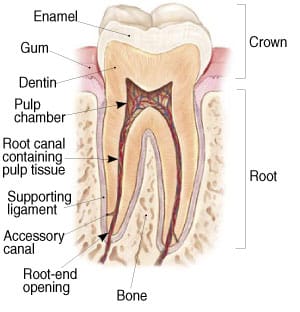
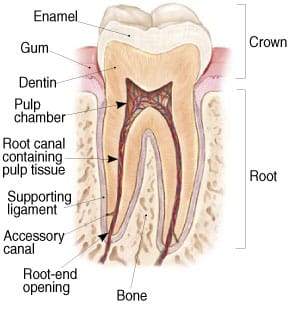
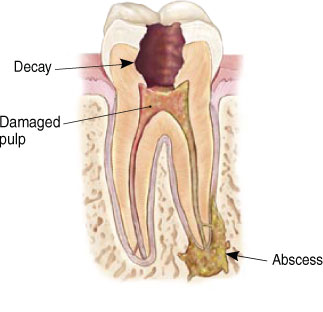
Root canal therapy is a restorative dental procedure used to treat infection or damage inside the tooth. Beneath the outer enamel and dentin layers is a soft tissue called the pulp, which contains nerves and blood vessels. When this pulp becomes infected due to deep decay, cracks, trauma, or repeated dental procedures, it can cause severe pain and swelling.
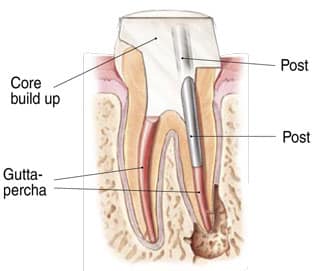
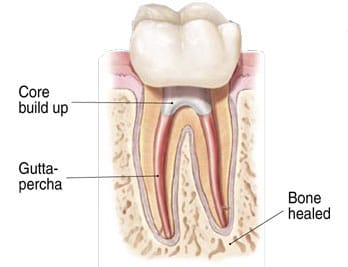
During root canal treatment, the infected tissue is carefully removed, the inside of the tooth is cleaned and disinfected, and the canals are sealed to prevent future infection. In many cases, a dental crown is placed afterward to strengthen and protect the tooth.
Root canal therapy allows patients to save their natural tooth instead of having it extracted. Preserving your natural teeth helps maintain proper bite alignment, chewing function, and overall oral health.
Signs You May Need a Root Canal
Tooth infections can worsen over time if left untreated. If you notice any of the following symptoms, it may be time to visit our dental office for an evaluation:
- Persistent or severe tooth pain
- Sensitivity to hot or cold temperatures
- Pain while chewing or biting
- Swollen or tender gums
- Darkening or discoloration of a tooth
- A chipped or cracked tooth
- A pimple-like bump on the gums
- Facial swelling or jaw discomfort
- Lingering sensitivity after eating or drinking
Some infections may not cause obvious symptoms at first, which is why routine dental care and regular exams are important. Early diagnosis can help prevent complications and protect your natural teeth.
Our Root Canal Treatment Process
We understand that many patients feel anxious about dental procedures, so we focus on making your experience as comfortable as possible. Here is what you can expect during root canal therapy at our Denver office.
Comprehensive Exam and Digital X-Rays: Your visit begins with a detailed examination and digital X-rays to identify the extent of the infection and evaluate the affected tooth.
Local Anesthesia for Comfort: Before treatment begins, the area is completely numbed using local anesthesia. Our team prioritizes patient comfort throughout the procedure.
Removing the Infected Pulp: A small opening is created in the tooth, so the infected tissue can be carefully removed from the root canals.
Cleaning and Disinfecting the Tooth: The canals are thoroughly cleaned, shaped, and disinfected to eliminate bacteria and reduce the risk of future infection.
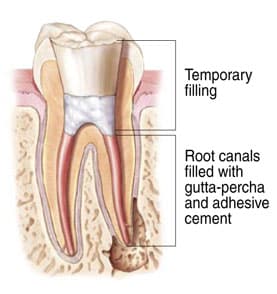
Sealing the Tooth: After cleaning, the canals are filled and sealed with a biocompatible material to protect the tooth.
Restoring the Tooth: In many cases, a dental crown is recommended after root canal therapy to restore strength, appearance, and function.
Our goal is to help you return to normal activities quickly while protecting your long-term oral health.
Benefits of Root Canal Therapy
Root canal treatment offers several important benefits for your oral health and overall well-being.
Saves Your Natural Tooth: Keeping your natural tooth helps maintain normal chewing and speaking abilities while preventing neighboring teeth from shifting.
Eliminates Infection: Removing infected tissue helps stop bacteria from spreading to surrounding teeth and gums.
Relieves Pain: Treatment addresses the source of discomfort and helps restore comfort and function.
Prevents Tooth Extraction: Root canal therapy can often save a tooth that might otherwise need to be removed.
Restores Strength and Function: With proper restoration, treated teeth can continue functioning normally for many years.

Root Canal Recovery and Aftercare
Most patients recover quickly after root canal therapy and return to their normal routine within a day or two. Following your dentist’s aftercare instructions can help promote healing and reduce discomfort.
Recovery Tips
- Avoid chewing on the treated tooth until the final restoration is placed
- Eat soft foods for the first day or two
- Brush and floss gently around the area
- Take medications as directed
- Attend follow-up appointments if needed
It is normal to experience mild tenderness after treatment, but severe pain or swelling should be evaluated promptly.
Practicing good oral hygiene and scheduling regular dental visits can help protect your restored tooth and overall dental health.
Protect Your Smile With Prompt Treatment
Ignoring tooth pain or infection can lead to more serious dental complications over time. Seeking treatment early can help save your natural tooth and prevent the need for more extensive procedures later.
If you are experiencing tooth pain, sensitivity, swelling, or signs of infection, the team at Primary Dental is here to help. Our experienced Denver dentists provide gentle root canal therapy designed to restore comfort, protect your smile, and improve your oral health. Schedule your consultation and take the next step toward lasting relief.