
5801 W 44th Ave Unit C, Denver, CO 80212, United States

Do I Need a Crown? 5 Reasons You May Need a Dental Crown
Posted On May 11, 2023
Tooth pain has a way of interrupting your day at the worst possible moment. Maybe it’s a sharp twinge when you bite into something cold, or a dull ache that won’t quite go away. Often, these symptoms point to a deeper issue that a filling alone can’t fix and that’s where a dental crown comes in.
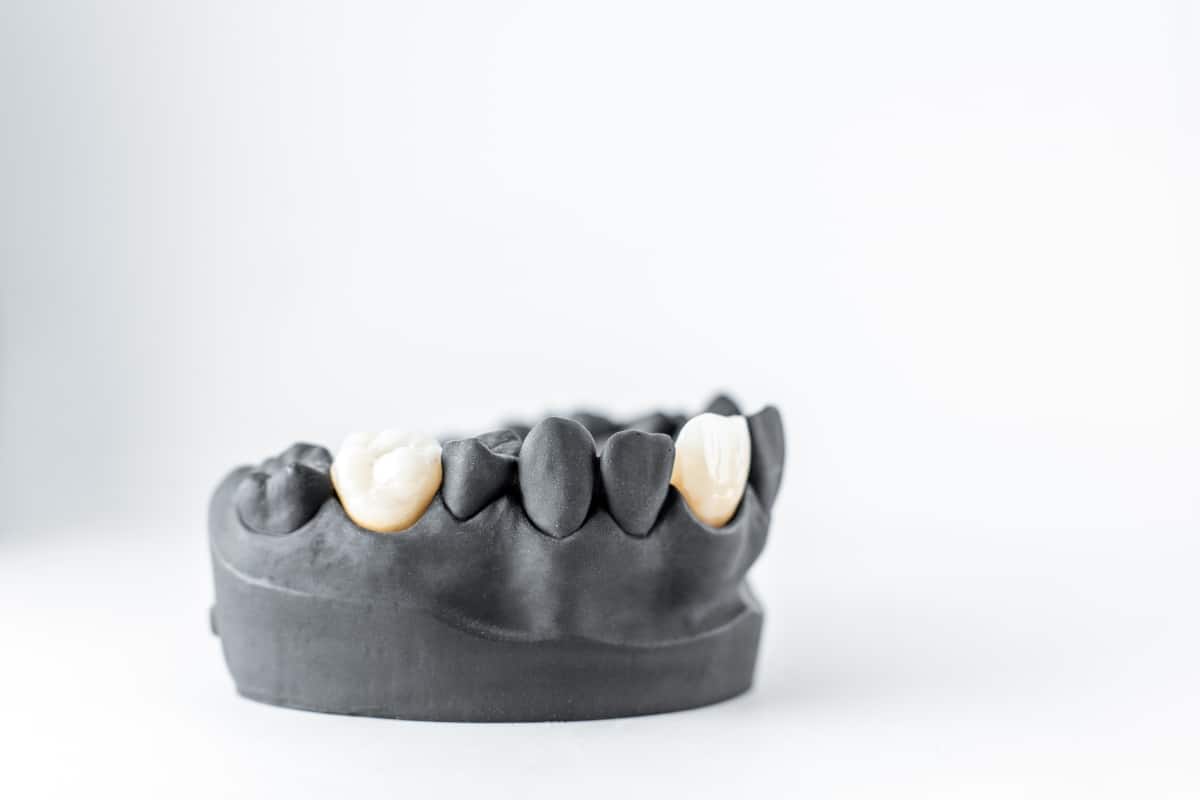
A dental crown is a custom-made cap that covers a damaged or weakened tooth, restoring its shape, strength, and function. But how do you know if you actually need one? Below, we walk through five common signs that suggest it’s time to talk to your dentist about a crown and what to expect if you do.
What Is a Dental Crown, Exactly?
Before diving into the signs, it helps to understand what a crown actually does. Think of it as a protective helmet for your tooth. It fits snugly over the visible portion of a damaged tooth, sealing it from further harm while letting you chew, speak, and smile normally.
Crowns are typically made from porcelain, ceramic, or a metal alloy, and they’re designed to blend in with your natural teeth. Unlike a filling, which repairs a small area, a crown covers the entire tooth above the gumline.
5 Signs You May Need a Dental Crown
1. You Have a Cracked or Fractured Tooth
Teeth can crack from grinding, an accident, or simply biting down on something hard. A small chip might not need much intervention, but a deeper crack can weaken the entire tooth structure.
If left untreated, a crack can spread further, sometimes reaching the root and requiring more invasive treatment. A crown stabilizes the tooth and prevents the crack from worsening.
2. You’ve Had a Root Canal
After a root canal, the tooth is often left brittle because it no longer has a blood supply feeding it. Without reinforcement, it becomes prone to fracturing under normal chewing pressure.
Dentists frequently recommend a crown following a root canal, particularly for molars that handle heavy biting forces. This is one of the most common and reliable uses of a dental crown.
3. You Have a Large Cavity or Old Filling That’s Failing
When decay is too extensive for a standard filling, there may not be enough healthy tooth structure left to support one. In these cases, a crown provides the coverage and strength a filling simply can’t.
Similarly, if you have an old, large filling that’s cracking, leaking, or breaking down, replacing it with a crown can prevent further decay underneath.
4. Your Tooth Is Worn Down From Grinding
Chronic teeth grinding (bruxism) gradually flattens and shortens teeth, sometimes to the point where they lose their natural shape and function. This wear can also lead to sensitivity and jaw discomfort.
A crown can rebuild the tooth’s original height and shape, helping restore a more comfortable bite. Your dentist may also recommend a nightguard to prevent future wear.
5. You Want to Improve the Appearance of a Damaged Tooth
Sometimes the issue isn’t pain it’s appearance. A tooth that’s discolored, oddly shaped, or visibly damaged can affect your confidence when you smile.
A dental crown can cover these imperfections while still protecting the tooth underneath, offering both a cosmetic and functional benefit in one treatment.
What Happens During a Dental Crown Procedure?
If your dentist recommends a crown, the process is usually straightforward and completed in two visits:
- First visit: The tooth is reshaped, an impression is taken, and a temporary crown is placed.
- Between visits: Your permanent crown is custom-crafted to match the size, shape, and color of your natural teeth.
- Second visit: The temporary crown is removed, and the permanent one is bonded securely in place.
With proper care, a dental crown can last 10 to 15 years or longer, making it a durable, long-term solution rather than a quick fix.
How to Know for Sure: See a Dentist in Denver
While these five signs are strong indicators, the only way to know for certain if you need a crown is through a professional evaluation. X-rays and a physical exam allow your dentist to assess the extent of damage and recommend the most conservative, effective treatment.
If you’re searching for a trusted dentist in Denver, the team at Primary Dental can help determine whether a crown, filling, or another treatment is right for your specific situation.
Common Patient Questions
Does getting a dental crown hurt?
Most patients feel little to no discomfort during the procedure, as the area is numbed beforehand. Some mild sensitivity afterward is normal and typically fades within a few days.
How long does a dental crown last?
With good oral hygiene and regular checkups, most crowns last between 10 and 15 years, and many last even longer.
Can I eat normally after getting a crown?
Yes, once the permanent crown is placed, you can eat normally. It’s best to avoid very hard or sticky foods to protect the crown from damage.
Is a dental crown the same as a cap?
Yes, “crown” and “cap” are simply two terms for the same restoration.
Will my crown look natural?
Modern crowns are custom-shaded and shaped to blend seamlessly with your surrounding teeth, so it should be difficult to tell it apart from your natural smile.
What happens if I ignore a cracked tooth instead of getting a crown?
Ignoring a crack can allow it to worsen over time, potentially leading to infection, nerve damage, or tooth loss. Addressing it early with a crown is usually the more conservative option.
Ready to Protect Your Smile?
If you’re noticing any of these five signs, it’s worth having a professional take a look before the issue gets worse. A timely dental crown can save you from more extensive and more expensive treatment down the road.
Schedule your appointment today at Primary Dental, located in Denver, CO 80212. Our team is here to help you find the right solution for a healthier, more confident smile.
Share: