
5801 W 44th Ave Unit C, Denver, CO 80212, United States

Cold Sores on Lips: Symptoms, Causes and Treatment
Posted On April 21, 2026
Cold sores often show up at the worst possible time. They can appear before an important meeting, a weekend outing, or even a big event. These small blisters on the lips may seem minor, but they can cause discomfort and affect confidence. Many people do not realize that the sores are linked to a common virus and can recur over time. Lip irritation from sun exposure and dry air can make the sores more noticeable and uncomfortable. Dry weather and changing seasons often play a role in flare-ups.
Understanding what triggers cold sores and how to manage them can make a big difference. With the right approach, you can reduce outbreaks and feel more in control of your oral health. Primary Dental supports patients with guidance that aligns with long-term smile goals, including orthodontic care.
Why Cold Sores Matter More Than You Think?
They are more than just cosmetic issues; they can significantly impact your daily life and oral health. Residents in Denver often enjoy fun seasonal events like the Great American Beer Festival, where everyone enjoys food and drinks outdoors. Things like spicy foods and sun exposure might make lip irritation worse and trigger outbreaks. This can make eating and speaking a bit more challenging. That’s why it’s so important to manage them properly and take good care of yourself. Working with a dentist ensures proper guidance when managing both conditions together.
What Are Cold Sores and Why Do They Happen?
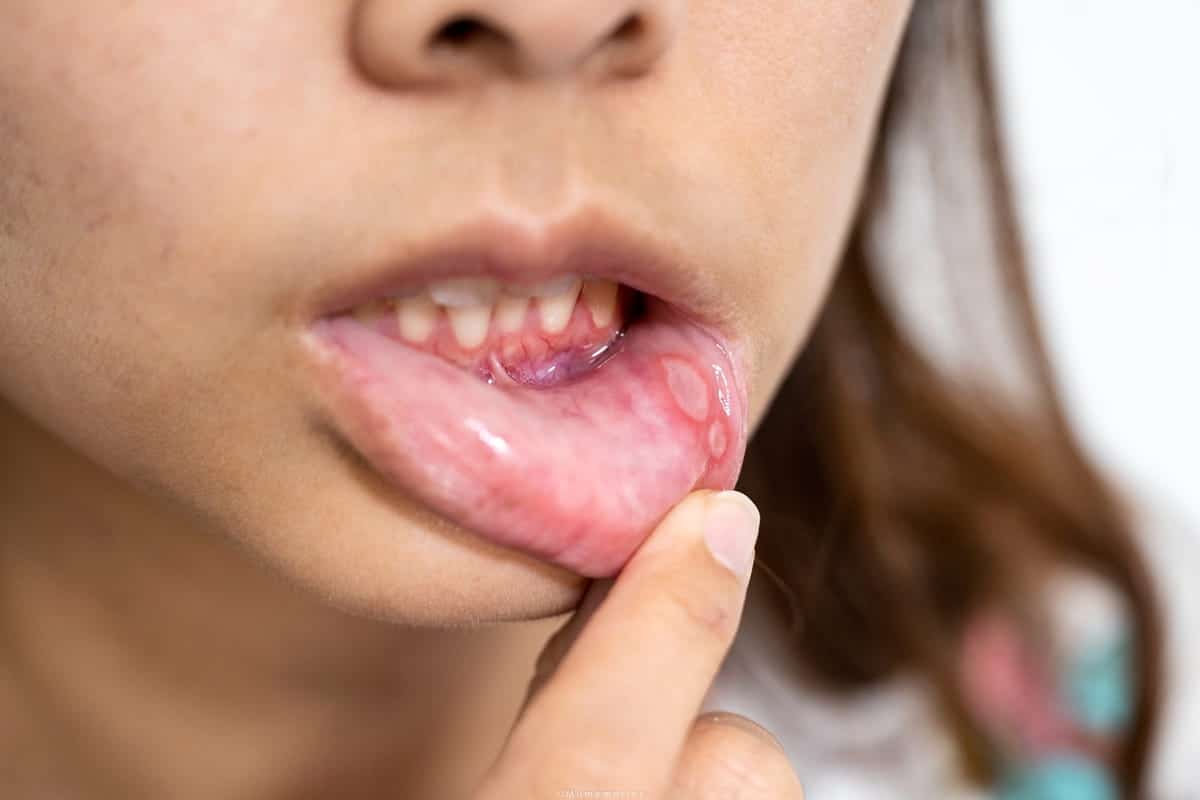
These sores are small, fluid-filled blisters that usually appear on or around the lips. They are caused by the herpes simplex virus, commonly known as HSV 1. Once this virus enters the body, it stays there. It can remain inactive and reactivate under certain conditions. Common triggers include:
- Stress or fatigue
- Sun exposure
- Illness or fever
- Hormonal changes
- Weakened immune system
The sores are contagious, especially when the blister is open. Direct contact can spread the virus to others. This is why maintaining proper hygiene and overall dental care is important to help reduce the risk of transmission.
How Do Cold Sores Progress Over Time?
The sores follow a predictable pattern. Knowing these stages helps you act early.
- Tingling Stage: A burning or itching feeling often starts before the sore shows up. This can be the very first sign to notice.
- Blister Formation: Small blisters may appear and cluster together, and this stage can be quite painful.
- Oozing and Crusting: When the blisters break open and release fluid, they naturally form a crust, helping to protect and heal the skin.
- Healing Stage: The sore gradually dries up and heals over time, typically taking about one to two weeks for a full recovery.
How Are Cold Sores Treated Effectively?
These sores often heal by themselves, but using treatment can help lessen how they feel and help you get better sooner.
- Antiviral Medications: Using these early interventions can significantly reduce the length of an outbreak by promptly containing and mitigating its spread.
- Topical Creams: They help soothe irritation and reduce discomfort, providing relief and making interactions more comfortable.
- Pain Relief Options: Over-the-counter solutions can be a helpful way to ease muscle soreness and discomfort, providing relief when you need it most.
- Protective Lip Care: Keeping your lips moisturized is a wonderful way to help prevent cracking and irritation, keeping your smile comfortable and happy.
- Avoiding Triggers: Understanding your personal triggers can really help in preventing future outbreaks, making everything feel more manageable and less stressful.
Simple Habits That Help Prevent Cold Sores
Prevention plays a key role in managing those sores. These are the tips you can follow:
- Remember to use lip balm with sun protection to keep your lips safe from sun damage.
- Make sure to stay hydrated all day long; it really helps your body feel its best.
- Find time to manage stress through healthy routines that bring you peace and joy.
- Be mindful not to share personal items like utensils to keep yourself safe.
- Maintaining good oral hygiene and staying consistent with routine dental care supports overall oral health and helps reduce irritation around the lips.
These small steps can make a noticeable difference.
When Should You Seek Professional Guidance?
Cold sores are quite common, but there are certain situations where it’s a good idea to seek additional attention. Here they are:
- Frequent outbreaks
- Severe pain or swelling
- Sores that do not heal within two weeks
- Signs of infection
A professional evaluation ensures proper care and helps prevent complications, so book an appointment to get the treatment you need.
Take Control of Cold Sores Before They Take Control of You
These sores may seem small, but they can disrupt your daily routine, comfort, and confidence. The key is knowing how to respond early and manage triggers before they lead to another outbreak. Simple habits like protecting your lips, reducing stress, and maintaining good hygiene can make a noticeable difference over time. It is also important to recognize when symptoms are not improving or keep coming back frequently. In such cases, seeking the right medical guidance can help you manage the condition more effectively and prevent complications.
At the same time, maintaining overall oral health supports your comfort and confidence in everyday life. At Primary Dental, we focus on helping patients care for their smiles with a thoughtful approach to long-term oral wellness. When you are ready to take the next step toward better oral health, visit our dental office. Find out care options that support your smile.
FAQs
1. What triggers cold sores the most?
The sores are often triggered by stress, illness, or sun exposure. Hormonal changes and fatigue can also play a role. Identifying personal triggers helps reduce how often outbreaks occur and makes them easier to manage.
2. Are cold sores contagious even without visible blisters?
Yes, the virus can spread even when sores are not visible. This is called viral shedding. Direct contact should be avoided during active or early stages to reduce the risk of transmission.
3. How long does a typical cold sore last?
Most sores heal within one to two weeks. The duration may vary depending on the immune response. Early treatment can help reduce healing time and minimize discomfort.
4. Can certain foods make cold sores worse?
Yes, acidic and spicy foods can irritate the area and increase discomfort. Foods rich in nutrients may support healing, while irritants should be avoided during active outbreaks.
5. Do cold sores leave permanent marks?
The sores usually heal without leaving scars. However, picking at the sore can increase the risk of marks. Allowing the sore to heal naturally helps maintain healthy skin.
6. Can children get cold sores, too?
Yes, children can develop these sores after exposure to the virus. Early symptoms may include mild fever and irritation. Proper hygiene and avoiding contact during outbreaks help prevent the spread.
Share: