
5801 W 44th Ave Unit C, Denver, CO 80212, United States

Do All Tooth Gaps Need Braces? Explore Your Treatment Options
Posted On May 19, 2026
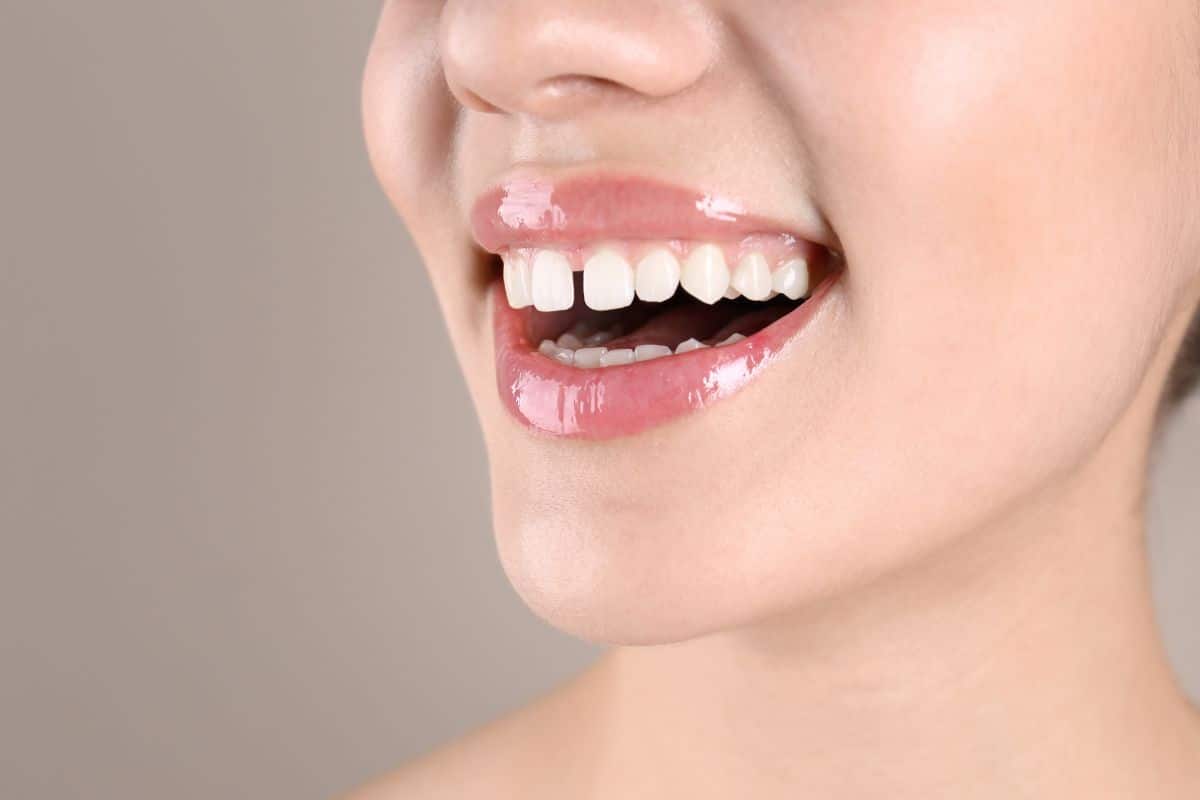
Have you ever looked in the mirror and noticed a small space between your teeth? Maybe it’s a classic gap right between your two front teeth, or perhaps it’s a sneaky space further back in your mouth that likes to trap food.
Spaces between teeth, known in the clinical world as diastemas, are incredibly common. Some of Hollywood’s most famous smiles sport a prominent tooth gap, and many people embrace theirs as a unique trademark. But if you’re reading this, you might be wondering whether that little space is just a cosmetic quirk or a potential health concern. More importantly, you’re likely asking yourself: Do all tooth gaps need braces?
The short answer from a dentist is: No, not always. While braces are a fantastic, time-tested solution for closing spaces, they are far from your only choice. Depending on your dental health, budget, and cosmetic goals, you have a variety of modern alternatives.
Let’s take a deep dive into the world of tooth gaps, why they happen, when they actually need treatment, and the many ways we can help you achieve the smile of your dreams.
Why Do Tooth Gaps Form in the First Place?
Before looking at how to fix a gap, it’s helpful to understand why it’s there. Gaps don’t just happen at random; they are typically caused by one (or a combination) of the following factors:
- Genetics and Jaw Size: Just like your height or eye color, you inherit the size of your jawbone and your teeth from your parents. If your jawbone is relatively large and your teeth are on the smaller side, your teeth will naturally spread out, leaving spaces between them.
- Oversized Labial Frenum: If you lift your upper lip, you’ll feel a small piece of tissue that connects your lip to your gums. This is called the labial frenum. Sometimes, this tissue grows too large or extends too far down between the two front teeth, physically blocking them from closing together.
- Missing or Impacted Teeth: If a permanent tooth fails to develop (a condition called hypodontia) or becomes impacted beneath the gums, the surrounding teeth will shift into the empty space, creating widespread gaps.
- Incorrect Swallowing Reflex (Tongue Thrust): When most people swallow, their tongue presses against the roof of the mouth. However, some people develop a habit of pushing the tongue forward against the front teeth. Over time, this continuous pressure acts like a reverse set of braces, pushing the front teeth forward and outward, creating gaps.
- Gum Disease (Periodontitis): This is a health-related cause. Advanced gum disease weakens the bone and tissue that hold your teeth firmly in place. As the foundation weakens, your teeth can become loose and migrate, creating new spaces that weren’t there before.
Cosmetic Quirk vs. Health Concern: When Does a Gap Need to Be Fixed?
If your gap doesn’t bother you visually, you might be tempted to leave it alone. In many cases, that is perfectly fine! However, proper dental care requires looking beneath the surface. A gap shifts from a cosmetic choice to a functional issue if it causes any of the following problems:
1. Chronic Food Pocketing and Gum Irritation
Spaces between your side and back teeth are notorious food traps. When food gets jammed between your teeth every time you eat, it irritates the delicate gum tissue. Over time, this can lead to localized inflammation, painful bleeding, and eventually, localized gum disease or cavities.
2. Speech Impediments
Our teeth play a massive role in how we articulate sounds. A large gap between the front teeth can cause air to escape while talking, resulting in a persistent lisp or whistling sound.
3. Bite Realignment and Jaw Strain
When teeth aren’t properly aligned, your bite distribution becomes uneven. This means certain teeth endure way more force than they were designed to handle, which can lead to premature tooth wear, cracked teeth, and even chronic jaw pain (TMJ disorders).
If you are experiencing any discomfort, difficulty chewing, or changes in your speech, it’s time to visit our dental office for a comprehensive exam. We can evaluate your bite and determine if treatment is necessary for your long-term health.
Your Treatment Options: Beyond Traditional Braces
If you and your dentist decide that closing your tooth gap is the best path forward, you’ll be glad to know that orthodontics isn’t the only route. Here are the top ways modern dentistry can close the gap:
1. Cosmetic Dental Bonding
If you want a fast, affordable, and non-invasive fix for a small gap, dental bonding is often the perfect solution.
During this procedure, your dentist applies a tooth-colored composite resin (the same material used for tooth-colored fillings) directly to the sides of the teeth adjacent to the gap. The resin is carefully sculpted to naturally widen the teeth, closing the space. Once hardened with a special curing light, the bonding looks seamless. The best part? It usually takes less than an hour and requires no drilling or anesthesia!
2. Porcelain Veneers
For a complete smile transformation, porcelain veneers are the gold standard. Veneers are ultra-thin, custom-made shells of durable dental ceramic that are permanently bonded to the fronts of your teeth.
Veneers don’t just close gaps; they can simultaneously correct teeth that are permanently stained, slightly crooked, or misshapen. If your tooth gap is caused by teeth that are simply too small for your mouth, veneers can give you a perfectly proportioned, Hollywood-ready smile in just a couple of appointments.
3. Clear Aligners (Invisalign)
If your gap is part of a larger bite issue or widespread misalignment, moving the teeth is the healthiest option. However, you don’t have to wear metal wires and brackets to do it.
Clear aligners, such as Invisalign, use a series of custom-made, transparent plastic trays to gently and predictably guide your teeth into their proper positions. Because they are virtually invisible and removable for eating and cleaning, clear aligners are incredibly popular among adults and teens who want orthodontic results without the aesthetic drawbacks of traditional braces.
4. Traditional Braces
While we’ve focused on alternatives, traditional braces still hold a vital place in dentistry. For severe gaps, massive bite discrepancies, or cases where teeth need to be rotated or moved significantly, traditional braces offer unparalleled control and power. Today’s brackets are smaller and more comfortable than ever before, making the treatment process much smoother.
The Importance of a Professional Evaluation
Every mouth is entirely unique. A treatment that works beautifully for your friend might not be the right choice for your specific bite anatomy.
Trying to fix a gap without addressing the underlying cause can lead to treatment failure. For instance, if you get cosmetic bonding to close a gap caused by tongue thrust, the continuous pressure from your tongue will eventually break the bonding or push the teeth out of alignment again. A professional dentist will identify the root cause of the gap to ensure that whatever solution you choose lasts for a lifetime.
Frequently Asked Questions
1. Can a tooth gap close on its own?
In children, yes! It is very common for toddlers and young kids to have gaps between their baby teeth. This actually leaves necessary room for the larger permanent teeth to grow in. Often, as the permanent canine teeth erupt, front gaps close naturally. However, once you are an adult and all your permanent teeth are in, a gap will not close on its own without dental intervention.
2. Is closing a tooth gap painful?
Not at all! Cosmetic options like dental bonding and porcelain veneers are completely painless and require minimal to no downtime. If you choose orthodontic options like clear aligners or braces, you will feel some mild pressure and soreness for a few days after changing to a new tray or getting an adjustment, but this is easily managed with over-the-counter pain relievers.
4. How long does it take to fix a gap?
It depends entirely on the method you choose. Dental bonding can be completed in a single visit. Porcelain veneers take about two appointments spread across a couple of weeks. If you opt for clear aligners or braces, the process can take anywhere from a few months to a couple of years, depending on the size of the gap and your overall alignment.
Will insurance cover the cost of closing my tooth gap?
Dental insurance coverage varies. If the gap is being closed for purely cosmetic reasons, insurance typically does not cover it. However, if the gap is causing functional issues, chewing difficulties, or is a result of gum disease, a portion of the treatment or orthodontic care may be covered. Our team can help you navigate your insurance benefits to maximize your coverage.
Ready to Explore Your Smile Options?
Whether you want to close a gap for a confidence boost or you need to protect your teeth from chronic food packing, you don’t have to guess which option is right for you.
At Primary Dental, we believe that high-quality dental care should be tailored to your lifestyle, goals, and unique anatomy. Our experienced and friendly team is dedicated to helping patients throughout the Denver area smile with absolute confidence.
We will sit down with you, evaluate your bite, listen to your goals, and map out a personalized treatment plan that fits your budget and timeline. Don’t wait to get the healthy, beautiful smile you deserve. Take the first step today by booking an appointment online or calling our team directly at 720-763-8231. We can’t wait to welcome you to our dental family!
Share: