
5801 W 44th Ave Unit C, Denver, CO 80212, United States

How Can a Decayed Tooth Cause Headaches?
Posted On April 8, 2026
Headaches are one of the most common health complaints among adults in Denver and across the U.S. Many people assume they’re caused by stress, dehydration, or long hours at work—but what if the real culprit is hiding in your mouth?
Surprisingly, a decayed tooth can absolutely cause headaches. If you’ve been dealing with persistent head pain along with dental discomfort, your body may be signaling an underlying oral health issue that needs attention.
In this guide, we’ll break down how tooth decay leads to headaches, the signs to watch for, and when to see a dentist for relief.
Understanding Tooth Decay
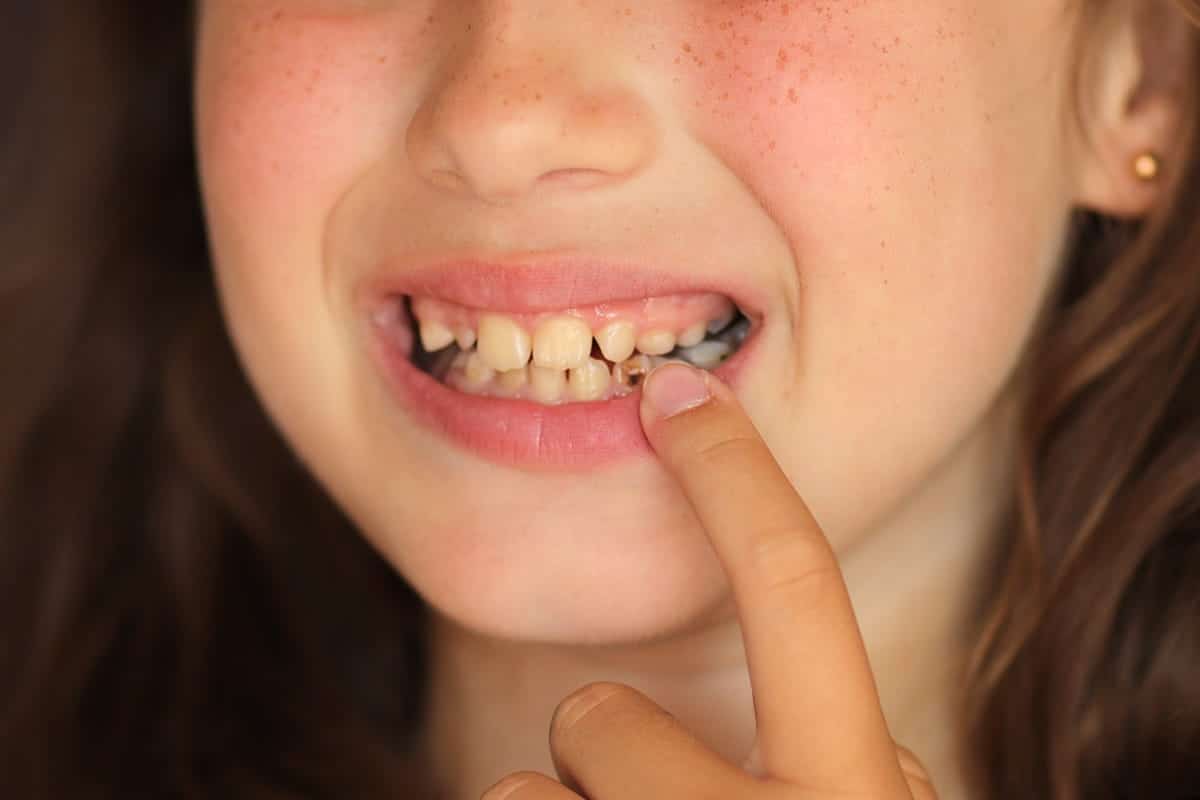
Tooth decay (also called cavities) happens when harmful bacteria break down the enamel—the protective outer layer of your teeth. Over time, this decay can penetrate deeper into the tooth, reaching the pulp, where nerves and blood vessels are located.
Once decay reaches this inner layer, it can trigger inflammation, infection, and significant pain. And this is where headaches can begin.
The Connection Between a Decayed Tooth and Headaches
You might wonder: how can a problem in your tooth affect your head?
The answer lies in your body’s complex nerve system.
1. Shared Nerve Pathways (The Trigeminal Nerve)
Your teeth, jaw, and head are connected through a major nerve called the trigeminal nerve. When a decayed tooth becomes inflamed or infected, it can irritate this nerve and send pain signals to your brain.
Because of this connection, your brain may interpret tooth pain as a headache—a phenomenon known as referred pain.
This is why you might feel pain in your:
- Temples
- Forehead
- Behind the eyes
- One side of the head
2. Infection and Pressure Build-Up
When decay is left untreated, it can lead to a tooth infection or abscess. This infection causes swelling and pressure in the surrounding tissues.
That pressure can:
- Spread to nearby nerves
- Radiate into the jaw and head
- Trigger throbbing or persistent headaches
In severe cases, the infection may even extend beyond the tooth, making the pain more intense and widespread.
3. Sinus Involvement
If the decayed tooth is located in your upper jaw—especially molars—it may be close to your sinuses.
An infection in these teeth can:
- Irritate the sinus cavity
- Create pressure in the face
- Mimic or trigger sinus headaches
This is particularly relevant in Denver, where seasonal allergies and dry air can already contribute to sinus-related discomfort.
4. Jaw Tension and Muscle Strain
Tooth pain often causes people to unconsciously clench their jaw or grind their teeth (a condition known as bruxism).
This added tension can:
- Strain facial and neck muscles
- Lead to tension headaches
- Make existing headaches worse
5. Inflammation Spreading Beyond the Tooth
Dental infections don’t always stay localized. Inflammation can spread to nearby tissues, including the gums, jaw, and even the neck.
This widespread inflammation can:
- Increase sensitivity in the surrounding nerves
- Cause dull, persistent headaches
- Lead to overall discomfort and fatigue
Signs Your Headache May Be Caused by a Decayed Tooth
Not every headache is dental-related—but here are key signs that point to a tooth issue:
- Pain focused on one side of the head
- Tooth sensitivity to hot or cold
- Pain when chewing or biting
- Swollen or bleeding gums
- Bad breath or unpleasant taste
- Jaw pain or stiffness
- Headache that doesn’t respond well to painkillers
If you notice these symptoms, it’s time to visit a dentist for a professional evaluation.
Why Denver Residents Should Pay Extra Attention
Living in Denver comes with a unique lifestyle and environmental factors that can worsen dental-related headaches:
- Dry climate can contribute to dehydration and oral health issues
- High altitude may intensify pressure-related headaches
- Active lifestyles can lead to teeth grinding or jaw tension
Combined with untreated tooth decay, these factors can make headaches more frequent and severe.
That’s why regular dental care is especially important for maintaining both oral and overall health.
What Happens If You Ignore a Decayed Tooth?
Ignoring tooth decay doesn’t just risk your smile—it can impact your entire well-being.
Potential complications include:
- Severe tooth infection (abscess)
- Chronic headaches or migraines
- Spread of infection to other areas
- Tooth loss
- More complex and costly dental treatment
In rare cases, untreated infections can become serious medical emergencies.
Treatment Options for Tooth-Related Headaches
The good news? Once the dental issue is treated, the headache often goes away.
When you visit our dental office, your dentist may recommend:
1. Dental Fillings
For early-stage decay, removing the cavity and placing a filling can stop the problem.
2. Root Canal Therapy
If the infection has reached the pulp, a root canal removes infected tissue and saves the tooth.
3. Tooth Extraction
In severe cases, removing the damaged tooth may be necessary to prevent further complications.
4. Treatment for Bruxism
Night guards or stress-management techniques can help reduce grinding- and tension-type headaches.
Preventing Tooth Decay and Headaches
Prevention is always better than treatment. Here’s how you can protect your smile—and your head:
- Brush twice daily with fluoride toothpaste
- Floss every day
- Limit sugary foods and drinks
- Stay hydrated (especially in Denver’s dry climate)
- Schedule regular dental checkups
- Address tooth pain early
Consistent dental care plays a key role in preventing both cavities and related headaches.
When Should You See a Dentist?
You should book an appointment if you experience:
- Persistent headaches with no clear cause
- Tooth pain that lasts more than a day or two
- Swelling in your gums or face
- Sensitivity that worsens over time
Early diagnosis can save you from more serious issues—and provide faster relief.
Find Relief with a Trusted Dentist in Denver
If you’ve been struggling with unexplained headaches, don’t overlook your oral health. A decayed tooth could be the hidden cause—and treating it may bring the relief you’ve been searching for.
At Primary Dental, we provide compassionate, comprehensive dental care tailored to the Denver community. Whether you need a simple filling or advanced treatment, our experienced team is here to help.
Don’t wait for the pain to get worse—visit our dental office today and take the first step toward lasting relief.
Call now at 720-763-8231 or book an appointment online with a trusted dentist and get back to feeling your best!
FAQs
1. Can a cavity really cause a headache?
Yes. A cavity can irritate the tooth’s nerve and send pain signals to the head, leading to headaches.
2. How do I know if my headache is from a tooth?
If your headache is accompanied by tooth pain, sensitivity, or jaw discomfort, it may be dental-related.
3. Will treating my tooth fix the headache?
In most cases, yes. Once the source of infection or decay is treated, the headache typically resolves.
4. Can a tooth infection cause migraines?
It can trigger migraine-like symptoms due to nerve irritation and inflammation.
5. Is a tooth-related headache serious?
It can be. Persistent pain may indicate an infection that requires prompt dental care.
Share: