
5801 W 44th Ave Unit C, Denver, CO 80212, United States

Is Bad Breath Related to Oral Health?
Posted On March 26, 2019
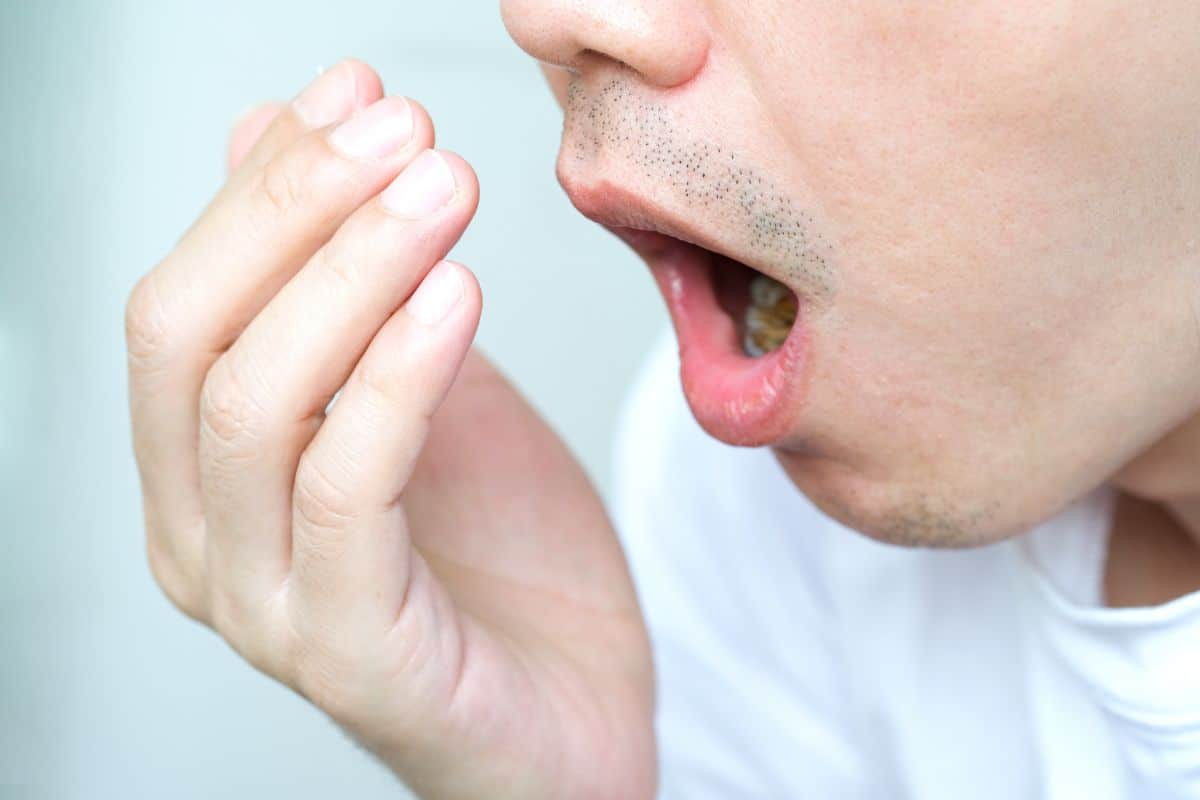
Bad breath, also known as halitosis, is a common and often embarrassing issue that affects millions of people worldwide. While many believe it’s just a consequence of eating certain foods, the truth is more complex. Often, bad breath is a direct indicator of poor oral health. Understanding the causes and connections between bad breath and oral health can help you maintain a fresher smile and better overall wellness.
What Causes Bad Breath?
Bad breath can stem from multiple factors, but the primary causes often relate directly to oral health issues. Here are some of the main contributors:
1. Poor Oral Hygiene
One of the most common reasons for bad breath is inadequate oral hygiene. If you don’t brush and floss regularly, food particles can remain in your mouth, leading to bacterial growth. The bacteria break down these food particles, releasing foul-smelling sulfur compounds that contribute to bad breath.
2. Gum Disease
Bad breath can be a sign of gum disease, also known as periodontal disease. This condition is caused by plaque buildup along the gum line, which leads to inflammation and infection. The bacteria responsible for gum disease can produce unpleasant odors, making your breath smell bad.
3. Dry Mouth
Dry mouth (xerostomia) occurs when the production of saliva decreases. Saliva helps cleanse your mouth and wash away food particles. When you have a dry mouth, bacteria can flourish, causing bad breath. Conditions like diabetes, certain medications, and even dehydration can lead to dry mouth.
4. Food and Beverage Choices
Certain foods, such as garlic, onions, and spicy dishes, are notorious for causing temporary bad breath. However, beyond temporary smells, a diet high in sugar and acidic foods can contribute to bacterial growth and tooth decay, leading to persistent halitosis.
5. Tobacco Use
Smoking and the use of other tobacco products can cause bad breath and lead to oral health issues like gum disease, tooth decay, and even oral cancer. Tobacco not only leaves a strong, unpleasant smell but also dries out the mouth, reducing saliva flow.
6. Medical Conditions
Sometimes, bad breath is linked to medical conditions unrelated to oral health, such as sinus infections, acid reflux, diabetes, and liver or kidney problems. However, most cases of halitosis are tied to issues within the mouth.
How Oral Health Impacts Bad Breath
The health of your teeth and gums is closely linked to the freshness of your breath. Here’s how:
1. Plaque Buildup and Tooth Decay
Plaque is a sticky film of bacteria that forms on your teeth. If not removed through regular brushing and flossing, plaque hardens into tartar, which can lead to tooth decay and gum disease. The bacteria in plaque release odors as they break down food particles, causing bad breath. Consistent oral hygiene can help reduce plaque and keep your breath fresh.
2. Tongue Coating
The surface of your tongue can harbor bacteria, food debris, and dead cells, forming a coating that contributes to bad breath. Regular tongue cleaning, using a tongue scraper, or brushing your tongue can help minimize this issue and improve your breath.
3. Impact of Cavities
Cavities, or dental caries, are the result of tooth decay caused by bacteria. These bacteria feed on sugars and starches, producing acid that erodes the enamel. The presence of bacteria and decaying food particles in cavities can lead to foul-smelling breath. Regular dental check-ups and proper oral care can prevent cavities and reduce the risk of bad breath.
Ways to Prevent Bad Breath
Fortunately, preventing bad breath is often straightforward and involves maintaining good oral hygiene and healthy habits. Here’s what you can do:
1. Brush and Floss Regularly
Brush your teeth at least twice a day and floss daily to remove food particles and plaque. Pay special attention to brushing your tongue, as it can be a breeding ground for bacteria.
2. Stay Hydrated
Drinking plenty of water helps keep your mouth moist and wash away food particles. Avoid sugary drinks and alcohol, as they can contribute to dry mouth.
3. Use Mouthwash
Using an antibacterial mouthwash can help reduce the bacteria that cause bad breath. Look for mouthwashes that contain chlorhexidine, essential oils, or cetylpyridinium chloride for the best results.
4. Quit Smoking
If you smoke, quitting is one of the best ways to improve your breath and overall oral health. Smoking contributes to dry mouth and increases your risk of gum disease and other dental problems.
5. Eat a Balanced Diet
A diet high in fruits and vegetables and low in sugars and processed foods can help maintain good oral health. Crunchy fruits and vegetables like apples and carrots can help cleanse the mouth naturally.
6. Visit Your Dentist Regularly
Regular dental check-ups and professional cleanings are crucial for maintaining good oral health and preventing bad breath. Your dentist can detect early signs of gum disease, cavities, and other oral health issues that may be causing halitosis.
When Should You See a Dentist About Bad Breath?
While occasional bad breath is normal, persistent halitosis could be a sign of a more serious oral health issue. You should consider visiting your dentist if:
- You notice chronic bad breath despite good oral hygiene.
- You have symptoms of gum disease, such as swollen, bleeding gums or loose teeth.
- You experience a persistent dry mouth.
- You suspect you may have cavities or dental infections.
A dentist can help diagnose the underlying cause of your bad breath and recommend appropriate treatment, whether it’s a deep cleaning, treatment for gum disease, or advice on improving your oral hygiene routine.
Conclusion
Bad breath is more than just a nuisance—it’s often a warning sign of poor oral health. By understanding the connection between halitosis and oral health, you can take the necessary steps to prevent it. Maintaining a consistent oral hygiene routine, eating a healthy diet, staying hydrated, and visiting your dentist regularly are key strategies for keeping your breath fresh and your mouth healthy. If you struggle with persistent bad breath, don’t hesitate to seek professional advice. Your smile and confidence are worth it!
Share: