
5801 W 44th Ave Unit C, Denver, CO 80212, United States

What Is the Strongest Natural Antibiotic for Tooth Infection?
Posted On October 16, 2024
A throbbing tooth at 2 a.m. has a way of making anyone search for fast answers. If you’ve been typing “strongest natural antibiotic for tooth infection” into Google, you’re probably hoping for quick relief before you can get to a dentist. The good news: several natural remedies can help calm inflammation and fight bacteria temporarily. The important news: no natural remedy actually cures a dental infection on its own and knowing when to see a dentist in Denver can mean the difference between a simple fix and a serious complication.
In this guide, we’ll walk through the most effective natural options, explain how they work, and help you understand when home care isn’t enough.
Understanding a Tooth Infection First
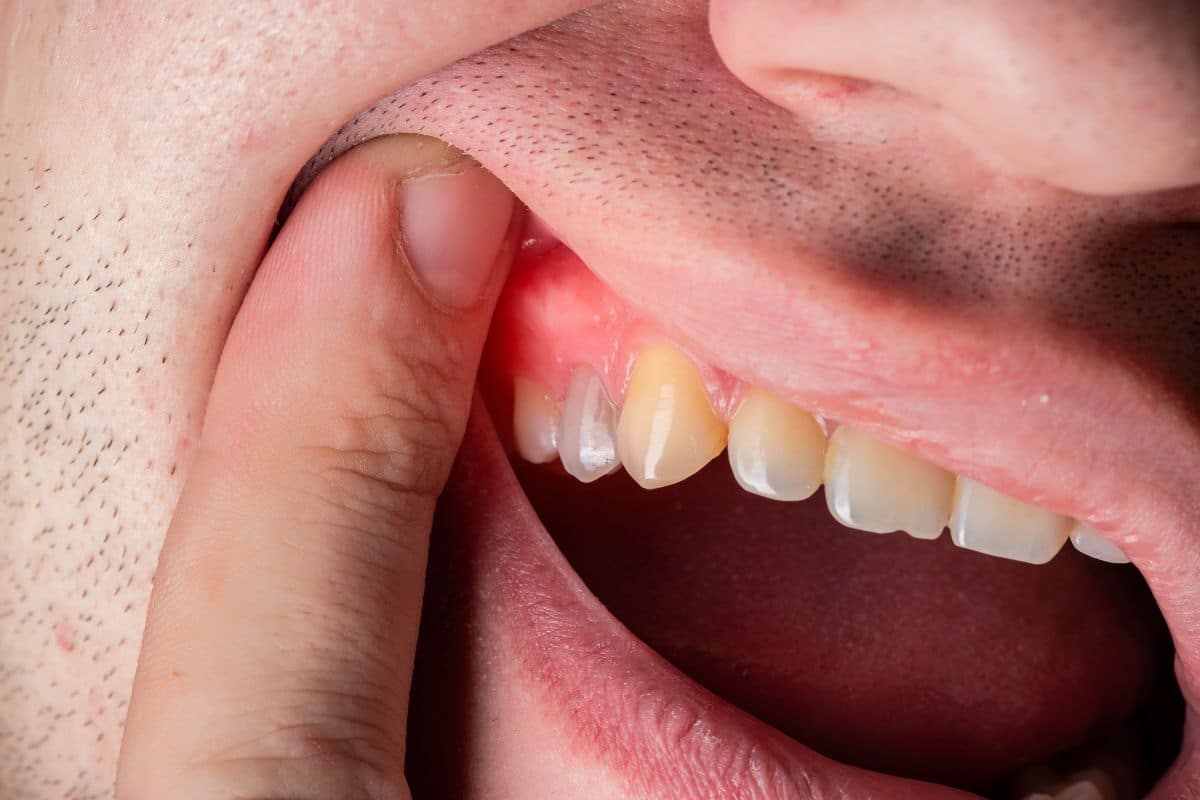
A tooth infection (dental abscess) happens when bacteria get inside the tooth or gum tissue, usually through a cavity, crack, or gum disease. Once bacteria settle in, your body sends white blood cells to fight them off, which causes the swelling, redness, and pain you feel.
Left untreated, this infection can spread to the jaw, neck, or even bloodstream. That’s why natural remedies should be viewed as support, not a substitute for professional treatment.
Common Signs of a Tooth Infection
- Persistent, throbbing tooth pain
- Swelling in the face, cheek, or gums
- Sensitivity to hot or cold that lingers
- A bad taste or odor in the mouth
- Fever or swollen lymph nodes (a sign infection is spreading)
If you notice fever or facial swelling, don’t wait contact a dentist right away.
The Strongest Natural Antibiotics for Tooth Infection
Several natural ingredients have antibacterial and anti-inflammatory properties that may help ease symptoms while you wait for treatment.
1. Clove Oil
Clove oil is often called nature’s strongest option for tooth pain. It contains eugenol, a natural compound with antibacterial and numbing effects.
- Dab a small amount on a cotton ball
- Apply gently to the affected area
- Repeat 2–3 times daily for temporary relief
2. Garlic
Garlic contains allicin, a compound known for its antimicrobial properties. Crushing a fresh clove and applying it near the sore tooth may help reduce bacteria temporarily.
3. Salt Water Rinse
This simple remedy draws out fluid from swollen gum tissue and creates an environment where bacteria struggle to survive. Rinse with warm salt water 2–3 times a day.
4. Turmeric Paste
Turmeric has natural anti-inflammatory and antibacterial qualities thanks to curcumin. A paste applied directly to the gums can help reduce swelling.
5. Oregano Oil
Oregano oil contains carvacrol, which has shown antibacterial activity in some studies. It should always be diluted before use, as it’s quite potent.
6. Hydrogen Peroxide Rinse
A diluted hydrogen peroxide rinse can help reduce bacteria and ease inflammation, but it should never be swallowed and should only be used occasionally.
Why Natural Remedies Aren’t Enough on Their Own
Natural antibacterial ingredients can slow bacterial growth and ease discomfort, but they can’t reach deep inside an infected tooth root or fully eliminate an abscess. Only professional treatment such as a root canal, drainage, or prescribed antibiotics can resolve the underlying infection.
Relying only on home remedies for too long allows the infection to grow, which can lead to:
- Spreading infection into the jawbone
- Tooth loss
- In rare, severe cases, life-threatening complications
This is why dentists generally recommend natural remedies only as short-term comfort measures, not treatment.
When to See a Dentist in Denver
If your pain lasts more than a day or two, or if you notice swelling, fever, or difficulty swallowing, it’s time to seek professional care. A qualified dentist in Denver can properly diagnose the infection, often with an X-ray, and determine the right treatment whether that’s antibiotics, a root canal, or drainage of the abscess.
At Primary Dental, located in Denver, CO 80212, our team understands how uncomfortable and worrying a tooth infection can feel. We focus on gentle, thorough care so you can get relief quickly and avoid complications down the road.
What to Expect During Your Visit
- A comprehensive exam and, if needed, digital X-rays
- A clear explanation of what’s causing your pain
- Personalized treatment options, from antibiotics to root canal therapy
- Guidance on preventing future infections
Tips to Prevent Future Tooth Infections
Prevention is always easier than treatment. A few simple habits go a long way:
- Brush twice daily with fluoride toothpaste
- Floss daily to remove trapped food and bacteria
- Visit your dentist every six months for checkups and cleanings
- Address cavities or cracked teeth promptly, before they worsen
- Avoid excessive sugar, which feeds bacteria in the mouth
Routine visits to a trusted dentist in Denver can catch small problems before they become painful emergencies.
Final Thoughts
Natural remedies like clove oil, garlic, and salt water rinses can offer short-term relief from tooth infection symptoms, but they aren’t a replacement for professional dental care. If pain persists, or you notice swelling or fever, it’s a sign the infection needs real treatment not just home remedies.
At Primary Dental in Denver, CO, we’re here to help you get out of pain quickly and safely. Schedule your appointment today and let our friendly team take care of your smile.
Questions Patients Often Ask Us
Can I just treat a tooth infection at home?
Home remedies can ease discomfort temporarily, but they can’t clear a true infection. It’s best to see a dentist to prevent the infection from spreading.
How long can I wait before seeing a dentist?
If pain, swelling, or fever lasts more than a day or two, don’t wait any longer infections can worsen quickly and become harder to treat.
Will I definitely need antibiotics?
Not always. Some infections clear up with drainage or a root canal alone, while others need antibiotics alongside treatment. Your dentist will determine what’s necessary based on your exam.
Is clove oil safe to use every day?
Occasional use is generally fine for short-term relief, but it shouldn’t replace a dental visit, and overuse can irritate gum tissue.
What happens if a tooth infection is left untreated?
It can spread to nearby teeth, the jawbone, or in rare cases, the bloodstream leading to a much more serious health issue.
How can I tell if my tooth pain is an emergency?
Facial swelling, fever, difficulty swallowing, or pain that spreads to your ear or neck are signs you need urgent care. Contact your dentist immediately if you notice these symptoms.
Share: