
5801 W 44th Ave Unit C, Denver, CO 80212, United States

What Is the Strongest Natural Antibiotic for Tooth Infection?
Posted On October 16, 2024
A tooth infection can be painful, stressful, and highly disruptive to your daily life. If you’re currently seeking immediate relief, you may have come across alternative remedies that claim to fight oral bacteria. While some options can effectively manage acute discomfort, it is crucial to understand what works, what doesn’t, and when to see a dentist.
In this guide, we’ll explore the strongest natural antibiotic options, how they work, the risks of delaying clinical care, and the safest ways to approach holistic treatment for tooth infections.
Understanding Tooth and Gum Infection Symptoms
A tooth infection, also known as a dental abscess, occurs when bacteria invade the inner pulp layers of the tooth or the surrounding periodontal tissue. This typically stems from untreated deep cavities, severe gum disease (periodontitis), or cracks in the enamel.
Before seeking a home remedy for a tooth infection, it is vital to identify the underlying causes. Common gum infection symptoms and tooth abscess indicators include:
- Persistent, severe toothache or throbbing oral pain
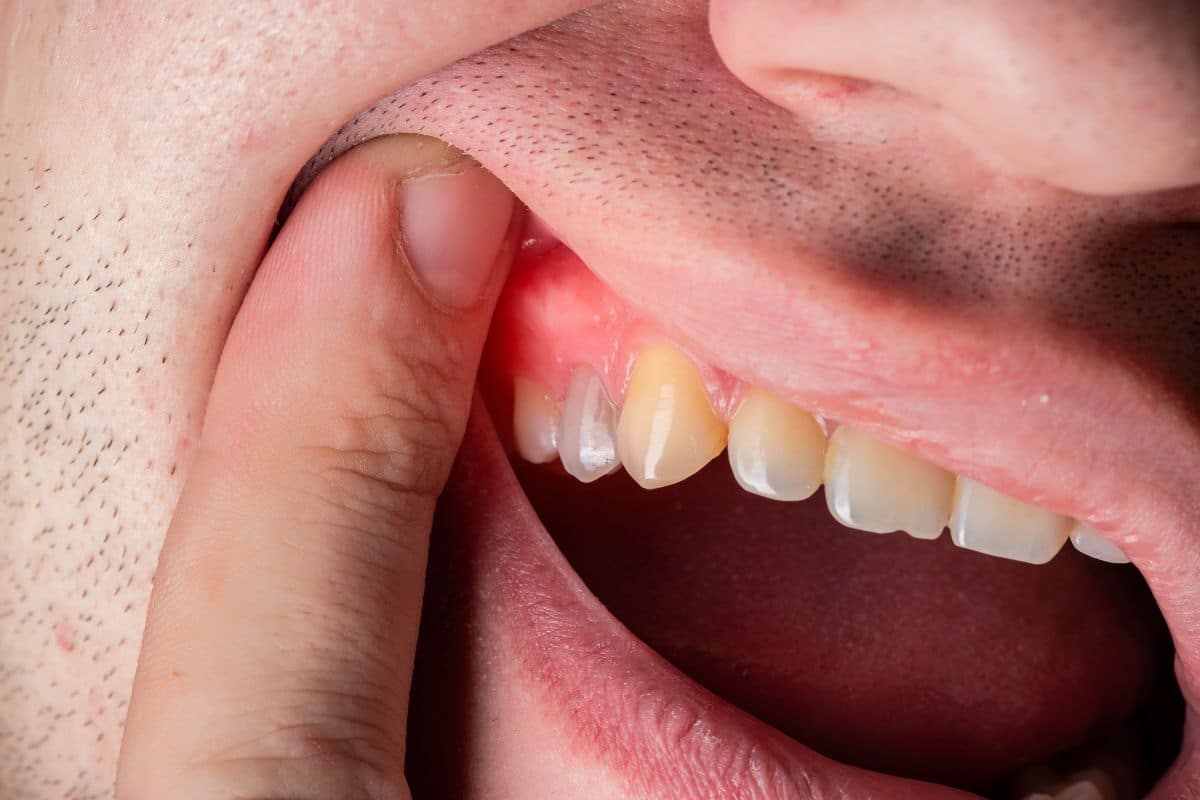
- Visible swelling in the gums, jaw, or face
- Extreme sensitivity to hot and cold temperatures
- A foul taste or bad breath caused by draining pus
- Fever, swollen lymph nodes, or fatigue in severe cases
Top Natural Remedies for Tooth Infection
When searching for a natural remedy for tooth infection, there is no true “natural antibiotic” that can completely eradicate deep-seated dental bacteria or replace prescription antibiotics. However, several household ingredients possess documented antibacterial, analgesic, and anti-inflammatory properties that can soothe symptoms while you prepare to visit our dental office.
1. Cloves (Clove Oil)
Using cloves for tooth infection relief is one of the most historically popular natural remedies. Clove oil contains eugenol, a chemical compound known for its powerful antibacterial and natural numbing properties.
- How to use: Apply a small amount of diluted clove oil to a cotton ball and gently place it against the affected area.
2. Fresh Garlic
Garlic releases allicin, a potent antimicrobial agent, when crushed. It serves as an accessible natural tooth infection remedy to slow down superficial bacterial growth.
- How to use: Crush a fresh garlic clove, let it sit for a few minutes to activate the compounds, and apply it directly to the tender area.
3. Warm Saltwater Rinse
A basic saltwater rinse is a universally recommended holistic tooth infection treatment to mechanically cleanse the mouth and draw out fluid from swollen tissues.
- How to use: Mix half a teaspoon of table salt into warm water and thoroughly rinse your mouth for 30 seconds before spitting.
4. Ginger Roots
If you are wondering whether ginger is good for tooth infection pain, the answer lies in its compounds, gingerols. These offer excellent anti-inflammatory support to ease throbbing sensations in your gums.
- How to use: Chew a thin slice of fresh, peeled ginger root around the affected tooth.
How to Heal a Tooth Infection Naturally (And Safely)
If you’re actively looking at how to heal a tooth infection naturally, the reality is that natural remedies are strictly supportive, not curative.
To safely manage a natural way to get rid of tooth infection symptoms at home before your clinical appointment, focus on these steps:
- Maintain thorough but gentle oral hygiene around the painful area.
- Utilize antibacterial rinses like warm saltwater or diluted hydrogen peroxide.
- Apply targeted natural antibiotics for tooth infection comfort, such as clove oil or turmeric paste.
- Stay hydrated and avoid sugary or highly acidic foods that feed oral bacteria.
These actions can help you learn how to treat a tooth infection at home by temporarily slowing bacterial progression, but they will not eliminate the source of infection trapped inside the tooth bone.
How to Get Rid of a Tooth Infection Naturally: The Truth
Many patients search for how to heal a tooth infection naturally or how to cure a tooth infection naturally, hoping to bypass the dental chair. Unfortunately, once bacteria breach the hard outer enamel and infect the living pulp tissue inside the root canal, the body cannot clear them on its own.
While a natural antibiotic for tooth infection approach can minimize inflammation, it cannot:
- Remove necrotic (dead) tissue from within the roots.
- Drain a deep bone abscess.
- Permanently stop an infection from spreading to your jawbone, neck, or bloodstream.
Relying solely on home remedies for a mouth infection checklist to cure a deep abscess can lead to severe health complications.
When to Seek Professional Care
Temporary comfort shouldn’t replace a definitive cure. If you are experiencing persistent swelling, throbbing pain, or a fever, it’s vital to have your mouth evaluated by a professional. At Primary Dental, we provide definitive, gentle treatments like root canal therapy and targeted antibiotic therapy to completely clear the infection and preserve your natural smile.
Don’t let minor tooth discomfort turn into an emergency. Book an appointment with our experienced team today to permanently restore your oral health.
Frequently Asked Questions
1. What is the strongest natural antibiotic for gum infection relief?
While there isn’t a replacement for dental cleanings or prescription medication, raw garlic (due to allicin) and pure tea tree oil are considered some of the strongest natural agents for easing gum inflammation and fighting surface bacteria.
2. Is ginger good for tooth infection pain?
Yes, ginger is an excellent home remedy for reducing the painful inflammation associated with dental issues. It contains anti-inflammatory compounds that help soothe irritated tissues, but it cannot kill the bacteria buried inside a tooth’s root.
3. How can I get rid of a tooth infection naturally?
You cannot permanently cure or eliminate an inner tooth infection naturally. A dental abscess requires structural intervention, such as removing the dead pulp through a root canal or draining the infection professionally, to stop the bacteria from damaging your jawbone.
4. What are the main home remedies for mouth infection swelling?
The safest and most effective home remedies include warm saltwater rinses, diluted hydrogen peroxide washes, cold compresses applied to the outside of the cheek, and topical applications of clove oil to temporarily dull acute nerve pain.
Share: