
5801 W 44th Ave Unit C, Denver, CO 80212, United States

Cigarette Smoking: A Bad Habit with Adverse Effects on Dental Implants
Posted On September 21, 2026
If you’re considering dental implants, there’s one habit that could quietly work against your investment: smoking. It’s not just about stained teeth or bad breath anymore cigarette smoking can directly interfere with how well your dental implants heal and how long they last. The good news? Understanding the risks is the first step toward protecting your smile, and there are ways to improve your odds even if you smoke.
At Primary Dental in Denver, CO, we’ve helped many patients navigate this exact concern. Let’s break down what you need to know.
How Smoking Affects Dental Implants
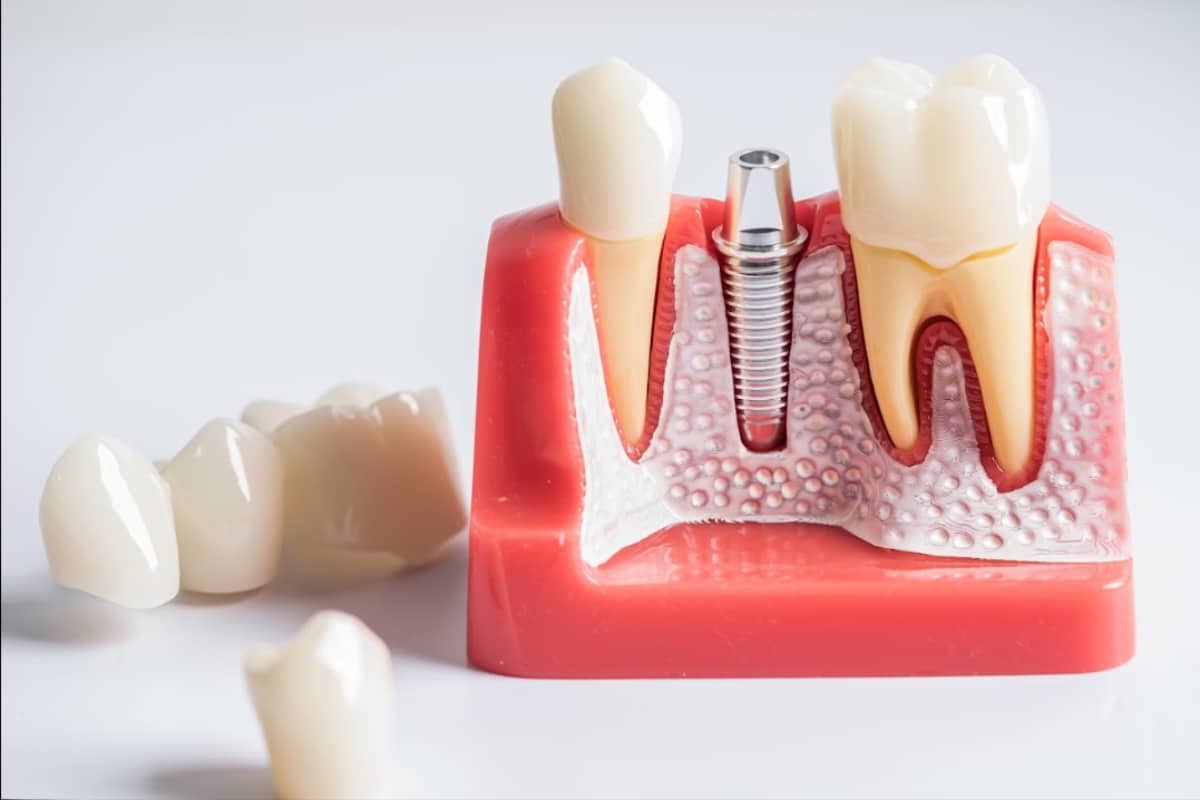
Dental implants rely on a process called osseointegration, where the titanium implant post fuses with your jawbone. This creates a strong, stable foundation for your new tooth. Smoking disrupts this process in several ways.
Reduced Blood Flow to the Gums and Bone
Nicotine constricts blood vessels, which limits the oxygen and nutrients that reach your gums and jawbone. Since healing depends on healthy blood flow, this can slow down recovery significantly after implant surgery.
Higher Risk of Infection
Smoking weakens your immune system’s ability to fight off bacteria. This makes smokers more susceptible to peri-implantitis, an infection around the implant that can lead to bone loss and, eventually, implant failure.
Slower Healing Time
Because of reduced circulation, smokers often experience longer healing periods after implant placement. This extended timeline can also increase discomfort and the chance of complications during recovery.
Weaker Bone Integration
Studies have consistently shown that smokers have measurably higher implant failure rates compared to non-smokers, largely due to poor bone density and weaker integration between the implant and jawbone.
Why This Matters for Long-Term Success
Dental implants are designed to be a permanent solution often lasting decades with proper care. But smoking introduces ongoing stress on the tissues surrounding the implant, even after the initial healing phase is complete.
Here’s what long-term smokers may experience:
- Increased plaque buildup around the implant site
- Greater risk of gum recession
- Higher likelihood of bone loss over time
- Reduced overall implant lifespan
This doesn’t mean smokers can never get dental implants. It simply means the risks are higher, and a bit of extra planning goes a long way.
Can Smokers Still Get Dental Implants?
Yes, many smokers successfully receive dental implants. The key is being upfront with your dentist about your smoking habits so they can create a treatment plan tailored to your needs.
Tips to Improve Your Success Rate
- Quit smoking before surgery: Even a short break (2–4 weeks) before and after the procedure can meaningfully improve healing.
- Follow post-op instructions closely: Avoid smoking during the critical healing window, typically the first few weeks.
- Maintain excellent oral hygiene: Brushing, flossing, and regular cleanings help offset some of the added risk.
- Attend all follow-up appointments: This allows your dentist to catch early signs of trouble before they become serious.
If quitting entirely feels overwhelming, even reducing your smoking frequency around the time of surgery can make a noticeable difference in outcomes.
What Happens If You Continue Smoking After Getting Implants?
Continuing to smoke after your implant procedure doesn’t guarantee failure, but it does raise your risk profile. Over time, the combination of reduced blood flow and bacterial buildup can lead to implant loosening or gum disease around the implant site.
Regular checkups become even more important for smokers, since your dental team can monitor bone health and catch early warning signs like inflammation or minor bone loss before they progress.
Why Choose Primary Dental for Your Implant Journey
At Primary Dental, we understand that every patient’s situation is different. Our team takes the time to evaluate your oral health, discuss your lifestyle habits honestly, and design a treatment plan that gives your dental implants the best possible chance of success whether you’re a smoker, former smoker, or have never smoked at all.
We believe informed patients make the best decisions, and we’re here to guide you through every step, from consultation to aftercare.
Common Patient Questions
Do I have to quit smoking completely before getting dental implants?
Not necessarily, but quitting or significantly reducing smoking in the weeks before and after surgery greatly improves healing and reduces complication risks.
How much does smoking increase the chance of implant failure?
Research suggests smokers face a noticeably higher failure rate than non-smokers, largely due to slower healing and weaker bone integration.
Can vaping affect dental implants the same way smoking does?
Vaping still introduces nicotine and heat into the mouth, which can affect blood flow and healing similarly, so it’s best to avoid it during recovery as well.
How long after implant surgery should I avoid smoking?
Most dentists recommend avoiding smoking for at least 2–4 weeks after surgery, as this is when initial healing and bone fusion take place.
Will my dentist judge me if I smoke and want implants?
Not at all. Our goal is to help you succeed, not to judge your habits. Being honest about smoking simply helps us plan your care more effectively.
Are there alternatives if smoking makes me a poor candidate for implants right now?
Yes your dentist may recommend a temporary solution while you work on reducing smoking, or suggest additional bone grafting to strengthen the implant site.
Take the Next Step Toward a Healthier Smile
Smoking and dental implants can coexist successfully with the right planning, honesty, and aftercare but the sooner you address the habit, the better your long-term results are likely to be. Whether you’re just starting to explore your options or ready to move forward, having an open conversation with your dental team is the best place to start.
Schedule your appointment today at Primary Dental in Denver, CO, and let’s talk through what’s right for your smile. Visit us to book your consultation and take the first step toward a confident, lasting smile.
Share: