
5801 W 44th Ave Unit C, Denver, CO 80212, United States

Complete Guide for Eating After Dental Implants Surgery
Posted On September 26, 2024
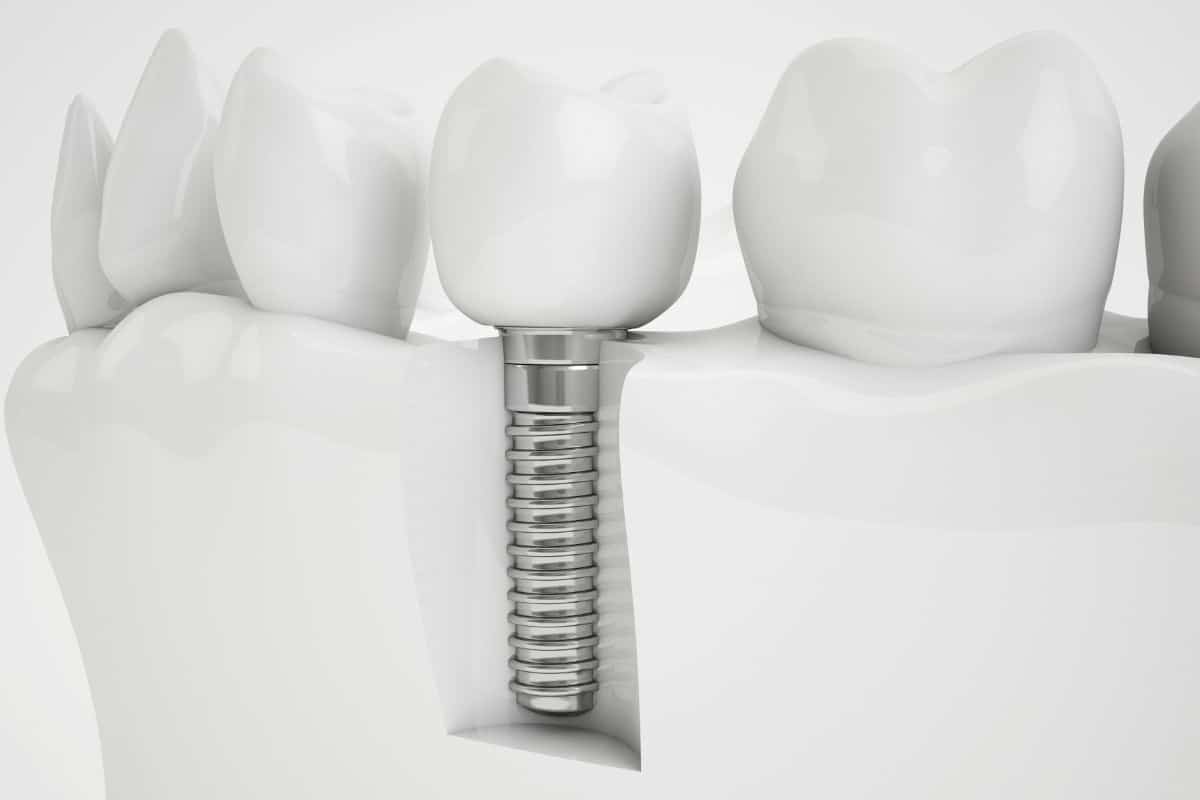
Dental implants are one of the most reliable and long-lasting solutions for replacing missing teeth. A dental implant restores both function and appearance by acting as an artificial tooth root that supports a crown, bridge, or denture.
However, what you eat after implant surgery plays a major role in healing and long-term success. Choosing the right foods can protect the surgical site, reduce discomfort, and help the implant properly integrate with the jawbone.
If you’re preparing for implant treatment or have recently undergone the procedure, this complete guide explains what to eat, what to avoid, and how to transition back to a normal diet safely.
Why Diet Matters After Dental Implant Surgery
After a dental implant procedure, your gums and bone need time to heal. During the healing process—known as osseointegration—the implant fuses with the jawbone to create a stable foundation for your new tooth.
Eating the wrong foods too soon can irritate the surgical site, disrupt healing, or even damage the implant. Hard, crunchy, or sticky foods may put pressure on the area and increase the risk of complications.
By following the right dietary guidelines and the instructions provided by your implant dentist, you can ensure a smooth recovery and long-lasting results.
What to Eat Immediately After Dental Implant Surgery
During the first 24–48 hours, your mouth will likely feel tender and swollen. Stick to liquids and very soft foods that require little or no chewing.
Recommended foods
- Smoothies (without seeds)
- Yogurt or Greek yogurt
- Applesauce
- Protein shakes
- Lukewarm broth or soup
- Milk or dairy alternatives
- Soft pudding or custard
These foods are gentle on the gums and provide nutrients needed for healing. Staying hydrated is also important because fluids help support tissue recovery and overall healing.
Tip: Avoid using straws during the first few days because suction may disturb the healing area.
Soft Foods to Eat During the First Week
After the first couple of days, you can slowly transition to soft, nutrient-rich foods that still require minimal chewing.
Ideal soft food options
- Mashed potatoes or sweet potatoes
- Scrambled eggs
- Oatmeal or soft cereals
- Cottage cheese
- Soft pasta
- Well-cooked vegetables
- Soft fruits like bananas or peaches
These foods are easy to chew and provide important nutrients such as protein, vitamins, and minerals that help repair tissue and support healing.
Protein is particularly important after surgery because it helps rebuild tissues and strengthens your immune system.
Foods That Help Healing After a Dental Implant
Some foods are especially beneficial during recovery because they provide nutrients essential for tissue repair.
Protein-rich foods
Protein helps rebuild gum tissue and supports bone healing.
Good choices include:
- Eggs
- Soft fish
- Tofu
- Yogurt
- Cottage cheese
Vitamin-rich foods
Foods rich in vitamins A and C support immune health and tissue repair.
Examples include:
- Mashed sweet potatoes
- Soft cooked carrots
- Bananas
- Applesauce
Calcium-rich foods
Calcium supports bone health and helps the implant integrate with the jawbone.
Good sources include:
- Dairy products
- Fortified plant-based milk
- Soft cheese
Foods to Avoid After Dental Implant Surgery
While healing, certain foods can irritate the surgical site or interfere with recovery.
Avoid these foods for at least 1–2 weeks
- Hard foods (nuts, chips, raw vegetables)
- Crunchy foods (popcorn, crusty bread)
- Sticky foods (caramel, chewy candy)
- Spicy foods
- Acidic foods like citrus and tomatoes
- Very hot foods or drinks
These foods can cause irritation, delay healing, or place pressure on the implant area.
Your implant dentist will let you know when it’s safe to return to your regular diet.
When Can You Eat Normally Again?
Recovery timelines vary depending on the patient and the complexity of the procedure. In many cases:
- First 48 hours: liquids and ultra-soft foods
- First week: soft foods that require minimal chewing
- 2–4 weeks: gradually reintroduce firmer foods
- 3–6 months: complete healing and implant integration
Most people can begin returning to a normal diet after a few weeks once swelling subsides and healing progresses.
Even after you resume regular foods, it’s best to avoid chewing directly on the implant site until your dentist confirms it is fully stable.
Tips for Eating Comfortably After Dental Implant Surgery
Following a few simple habits can make recovery easier and protect your new implant.
Helpful recovery tips
- Eat small, frequent meals to avoid pressure on the implant.
- Chew on the opposite side of your mouth during early healing.
- Drink plenty of water to keep your mouth clean.
- Avoid smoking and alcohol, which can slow healing.
- Maintain good oral hygiene as recommended by your dentist.
These steps help reduce complications and support successful implant integration.
Why Choose Dental Implants for Tooth Replacement?
Dental implants are widely considered the gold standard for tooth replacement because they:
- Look and feel like natural teeth.
- Restore normal chewing ability.
- Prevent bone loss in the jaw.
- For many years with proper care.
- Improve overall oral health and confidence.
Working with an experienced implant dentist ensures the procedure is planned carefully and performed safely for long-lasting results.
Rebuild Your Smile with Dental Implants
If you are missing one or more teeth, dental implants can restore both your smile and your oral health.
At Primary Dental, our team provides advanced implant dentistry with a focus on comfort, precision, and long-term results. Whether you need a single implant or a full smile restoration, we create personalized treatment plans designed for lasting success.
If you’re considering treatment, visit our dental office to learn more about your options. Our experienced team will evaluate your oral health and guide you through every step of the process.
Serving patients throughout Denver and nearby communities.
Ready to restore your smile? Book an appointment with Primary Dental today and take the first step toward a stronger, healthier smile.
Frequently Asked Questions
1. How soon can I eat after dental implant surgery?
You can usually eat once the anesthesia-induced numbness wears off. However, it’s best to start with liquids or very soft foods for the first 24–48 hours.
2. Can I drink coffee after a dental implant?
Hot beverages like coffee should be avoided for the first few days because heat can irritate the surgical site and increase swelling.
3. When can I eat solid foods again?
Most patients can begin adding soft solid foods after about a week and gradually return to a normal diet within a few weeks, depending on healing progress.
4. Can I chew on the implant side after surgery?
It’s recommended to chew on the opposite side of your mouth for the first couple of weeks to protect the implant site.
5. Are smoothies safe after dental implant surgery?
Yes. Smoothies are a great option because they provide nutrients and require no chewing. Just avoid seeds and do not drink through a straw.
6. What happens if I eat hard food too soon?
Hard or crunchy foods can irritate the surgical area, damage stitches, or disrupt the implant’s healing process, which may delay recovery.
Share: