
5801 W 44th Ave Unit C, Denver, CO 80212, United States

5 Key Facts About Dental Implants and How to Care for Them
Posted On September 23, 2026
Missing a tooth or several can affect more than just your smile. It can make chewing difficult, shift your other teeth out of place, and even change the shape of your face over time. That’s why so many people in Denver and beyond are turning to dental implants as a long-term solution for restoring both function and confidence.
If you’re considering dental implants, you probably have questions: How do they work? Are they painful? How long do they last? In this guide, we’ll walk through five essential facts about dental implants and share practical tips for keeping them healthy for years to come.
1. Dental Implants Are Designed to Last a Lifetime
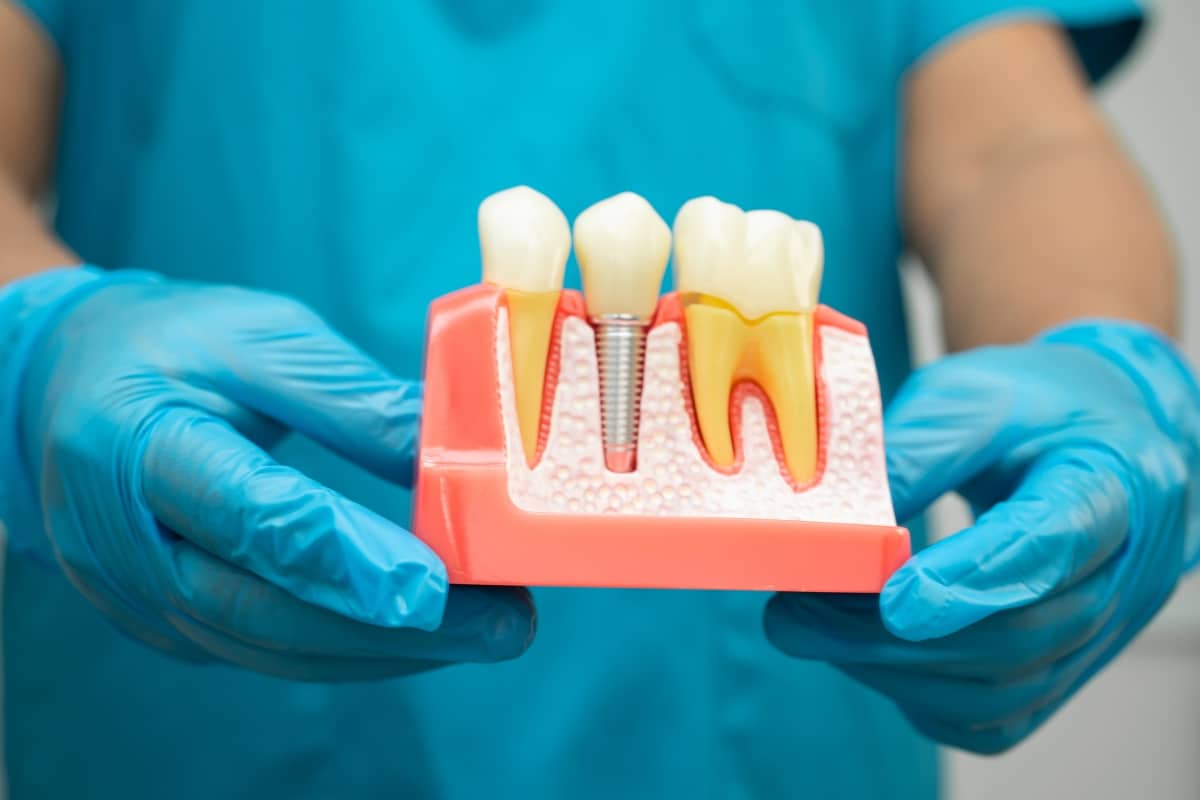
Unlike dentures or bridges, which typically need replacing every 5–10 years, dental implants are built for the long haul. A titanium post is placed directly into the jawbone, where it fuses with the bone through a natural process called osseointegration.
This creates a sturdy foundation that mimics the strength of a natural tooth root. With proper care, the implant itself can last a lifetime, while the visible crown on top may need replacement after 10–15 years due to normal wear.
Why this matters: Fewer replacements over time often make implants more cost-effective than other tooth-replacement options in the long run.
2. The Process Happens in Stages, Not All at Once
Getting dental implants isn’t a single-visit procedure; it’s a journey that unfolds over a few months. Understanding the timeline can help ease any anxiety about what to expect.
Typical Implant Timeline
- Consultation and planning: Your dentist evaluates your jawbone density, oral health, and overall candidacy.
- Implant placement: The titanium post is surgically placed into the jawbone.
- Healing period: This takes anywhere from 3 to 6 months, allowing the bone to fuse securely around the implant.
- Abutment and crown placement: Once healed, a connector piece (abutment) and custom crown are attached.
Patience during this process pays off. Rushing the healing stage can compromise the implant’s stability down the road.
3. Dental Implants Look and Feel Like Natural Teeth
One of the biggest draws of dental implants is how closely they replicate real teeth. The crown is custom-shaded to match your surrounding teeth, and because the implant is anchored in the jawbone, it feels stable when you bite, chew, or speak.
This is a major advantage over removable dentures, which can shift or click while eating and talking. Many patients say they forget which tooth is the implant once healing is complete.
Implants also help preserve your jawbone structure. When a tooth is missing, the bone beneath it can begin to shrink from lack of stimulation implants prevent this by keeping the bone active, just like a natural root would.
4. Not Everyone Is an Automatic Candidate But Most People Qualify
Good candidates for dental implants generally have healthy gums and enough jawbone density to support the implant. That said, factors like smoking, uncontrolled diabetes, or significant bone loss can complicate the process.
The good news? Many of these obstacles aren’t dealbreakers. Bone grafting procedures can rebuild bone density, and your dental team can help you manage risk factors before moving forward.
A thorough consultation including X-rays and a review of your medical history is the best way to determine if implants are right for you.
5. Proper Aftercare Is the Key to Long-Term Success
This is where many patients focus the most attention, and for good reason. While implants themselves can’t develop cavities, the gum tissue and bone surrounding them can still be affected by infection if not properly cared for. This condition, called peri-implantitis, is one of the leading causes of implant failure.
How to Care for Your Dental Implants
Taking care of your implants is simpler than you might think. A few consistent habits go a long way:
- Brush twice daily using a soft-bristled brush to avoid scratching the crown’s surface.
- Floss daily, ideally with implant-specific floss or a water flosser to clean around the base.
- Avoid hard or sticky foods that could put excess pressure on the crown, especially in the first few months.
- Skip tobacco products, as smoking significantly increases the risk of implant failure and slows healing.
- Schedule regular checkups so your dentist can monitor gum health and catch any issues early.
- Wear a nightguard if you grind your teeth, to protect both the implant and your natural teeth.
Think of implant care the same way you’d care for natural teeth consistency is everything. A solid oral hygiene routine, paired with regular dental visits, is the single best way to protect your investment.
Common Questions Patients Ask Us
Does getting a dental implant hurt?
Most patients report only mild discomfort, similar to what you’d feel after a tooth extraction. Local anesthesia keeps you comfortable during the procedure, and any soreness afterward is usually manageable with over-the-counter pain relievers.
How much does a dental implant cost?
Costs vary depending on how many teeth need replacing, whether bone grafting is required, and your specific treatment plan. The best way to get an accurate estimate is through a consultation, where your dentist can review your needs and discuss financing options.
Can I get an implant if I’ve had a missing tooth for years?
In many cases, yes. If significant bone loss has occurred, a bone graft may be needed first to build up enough structure to support the implant. Your dentist can assess this during your evaluation.
How long is recovery after implant surgery?
Initial healing typically takes about a week, though full integration with the jawbone can take several months. Most patients return to normal activities within a few days of the procedure.
Will my dental implant look natural?
Yes. Crowns are custom-made to match the color, shape, and size of your surrounding teeth, so the result blends in seamlessly with your smile.
Is it too late to consider implants if I’m older?
Age alone isn’t usually a barrier. What matters most is your overall oral health and bone density, both of which your dental team will evaluate during your consultation.
Ready to Take the Next Step?
Dental implants offer a durable, natural-looking solution for missing teeth but their success depends on choosing the right dental team and committing to proper aftercare. Whether you’re just starting to explore your options or you’re ready to move forward, having an experienced provider by your side makes all the difference.
At Primary Dental, our team is here to guide you through every step of the implant process, from your first consultation to long-term maintenance. We take the time to answer your questions and create a treatment plan tailored to your needs.
Schedule your appointment today by visiting us and taking the first step toward restoring your smile with confidence.
Share: