
5801 W 44th Ave Unit C, Denver, CO 80212, United States

Exploring Dental Implants and Alternative Tooth Replacement Options in Denver
Posted On September 17, 2026
Missing teeth affect more than your smile they can change the way you eat, speak, and feel about yourself in everyday conversations. If you’ve been putting off a decision about replacing a missing tooth, you’re not alone. Many patients feel overwhelmed by the number of options available today.
The good news? Modern dentistry offers several reliable solutions, and dental implants in Denver have become one of the most trusted ways to restore both function and confidence. But implants aren’t the only path forward, and understanding your choices can help you make a decision that truly fits your life.
In this guide, we’ll walk through dental implants, alternative tooth replacement options, and how to know which route makes the most sense for you.
Why Tooth Replacement Matters More Than You Might Think
A missing tooth isn’t just a cosmetic issue. Left untreated, it can lead to:
- Shifting of nearby teeth, which affects your bite
- Bone loss in the jaw over time
- Difficulty chewing certain foods comfortably
- Changes in facial structure and appearance
- Increased risk of gum disease around the gap
Replacing a missing tooth sooner rather than later helps protect your long-term oral health, not just your smile’s appearance.
What Are Dental Implants, Exactly?
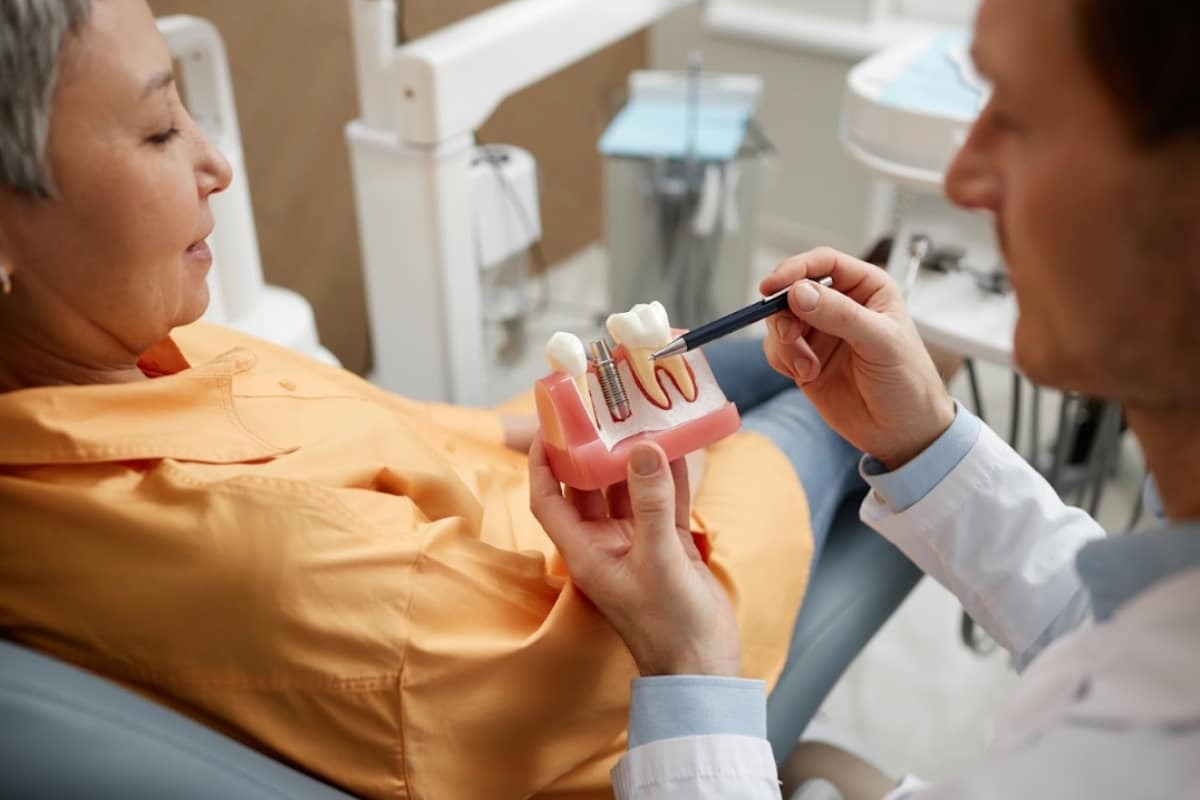
A dental implant is a small titanium post that’s placed into the jawbone, acting much like an artificial tooth root. Once it heals and fuses with the bone a process called osseointegration a custom crown is attached on top.
This design is part of why dental implants in Denver patients choose this option so often: implants look, feel, and function like natural teeth.
Key Benefits of Dental Implants
- Long-lasting durability. With proper care, implants can last decades.
- Bone preservation. Implants stimulate the jawbone, helping prevent the bone loss that often follows tooth loss.
- Natural appearance. Custom crowns are matched to your existing teeth.
- No impact on neighboring teeth. Unlike bridges, implants don’t require altering healthy adjacent teeth.
- Improved chewing and speech. Because implants are firmly anchored, they function much like natural teeth.
Who Is a Good Candidate?
Most healthy adults with sufficient jawbone density are candidates for implants. Factors your dentist will consider include:
- Overall gum health
- Bone volume in the jaw
- Whether you smoke (which can affect healing)
- Any underlying health conditions, such as uncontrolled diabetes
If bone density is a concern, don’t worry options like bone grafting can often make implants possible even when they weren’t initially.
Alternative Tooth Replacement Options
While implants are a popular and effective choice, they’re not the only option. Depending on your health, budget, and personal preferences, one of these alternatives might be a better fit.
1. Dental Bridges
A bridge fills the gap left by a missing tooth using a false tooth anchored to the crowns of the teeth on either side.
- Faster treatment timeline than implants
- Requires reshaping the adjacent teeth
- Typically lasts 10–15 years with good care
2. Removable Partial Dentures
Partial dentures are a removable appliance designed to replace one or more missing teeth.
- More affordable upfront cost
- Non-surgical option
- Requires nightly removal and cleaning
- May feel less stable than implants or bridges
3. Full Dentures
For patients missing most or all of their teeth, full dentures replace an entire arch.
- Cost-effective solution
- Can be paired with implants for added stability (implant-supported dentures)
- May require adjustments over time as your mouth changes shape
4. Implant-Supported Dentures
This hybrid option combines the stability of implants with the affordability of dentures, using a few strategically placed implants to anchor a full denture.
- More secure fit than traditional dentures
- Reduces slipping while eating or speaking
- Fewer implants needed than replacing every tooth individually
Dental Implants vs. Alternatives: How to Decide
Choosing between implants and other options really comes down to a few personal factors:
- Budget: Implants have a higher upfront cost but often save money long-term due to durability.
- Timeline: Bridges and dentures can typically be completed faster than implants, which require healing time.
- Bone health: Sufficient jawbone density is necessary for implants, though grafting can help.
- Lifestyle preferences: Some patients prefer a fixed solution, while others are comfortable with removable options.
There’s no one-size-fits-all answer and that’s exactly why a personalized consultation matters so much.
What to Expect During a Consultation
If you’re considering dental implants in Denver, your first visit typically includes:
- A comprehensive oral exam
- Digital X-rays or 3D imaging to assess bone structure
- A discussion of your medical history
- A walkthrough of suitable treatment options
- A personalized treatment plan and cost estimate
This step-by-step process ensures that whatever option you choose, it’s based on your specific needs not a generic recommendation.
How Long Does the Dental Implant Process Take?
The full implant process can take anywhere from a few months to about a year, depending on healing time and whether bone grafting is needed. While that might sound like a long time, most patients find the process manageable, especially since it’s broken into clear stages:
- Initial consultation and imaging
- Implant placement surgery
- Healing and osseointegration (usually 3–6 months)
- Placement of the abutment and custom crown
Your dental team will guide you through each phase so you always know what’s next.
Caring for Your New Smile
Whether you choose implants, a bridge, or dentures, proper care helps your investment last:
- Brush twice daily and floss regularly (implant-specific floss threaders can help)
- Attend routine dental checkups and cleanings
- Avoid chewing on very hard items like ice
- Address any discomfort or looseness promptly
Good habits go a long way toward protecting your results for years to come.
Common Questions Patients Ask
Do dental implants hurt?
Most patients report mild discomfort, similar to a tooth extraction, which is manageable with over-the-counter or prescribed pain relief. Local anesthesia is used during the procedure itself, so you shouldn’t feel pain during placement.
Am I too old for dental implants?
Age alone rarely disqualifies someone from implants. What matters more is overall health and bone density, both of which your dentist will evaluate during your consultation.
Will my dental insurance cover implants?
Coverage varies widely by plan. Some insurers cover a portion of the cost, especially if tooth loss resulted from injury or medical necessity. Our team can help you understand your specific benefits.
How do I know if I need a bone graft first?
Your dentist will review X-rays or 3D scans to check bone volume. If there isn’t enough bone to support an implant, a graft can help build up the area before placement.
Can I get one implant, or do I need a full set?
Implants can replace a single tooth, several teeth, or an entire arch the treatment is tailored to exactly what you need, nothing more.
What happens if I ignore a missing tooth for now? Over time, you may experience bone loss, shifting teeth, and bite problems. Addressing it sooner typically means simpler, less costly treatment.
Finding the Right Fit for Your Smile
Every mouth is different, and the “best” tooth replacement option is the one that matches your health, goals, and lifestyle. Whether that means a permanent implant, a supportive bridge, or a comfortable denture, the most important step is getting a professional evaluation.
At Primary Dental, located in Denver, CO 80212, our team takes the time to walk you through every option in plain language no confusing jargon, no pressure, just honest guidance so you can make the choice that’s right for you.
If you’ve been considering dental implants in Denver or simply want to explore what tooth replacement options are available, we’re here to help.
Schedule your appointment today by visiting us or giving our Denver office a call. Your smile and your confidence deserve it.
Share: