
5801 W 44th Ave Unit C, Denver, CO 80212, United States

Dental Implants vs. Dentures: Which Is the Better Option for You?
Posted On June 19, 2026
One of the most common questions our patients at Primary Dental in Denver ask is: ‘Should I get dental implants or dentures?’ Both are legitimate solutions for missing teeth, but they work very differently and suit very different patients.
This guide breaks down the real differences so you can have an informed conversation with your dentist and choose the path that fits your life.
How Each Option Works
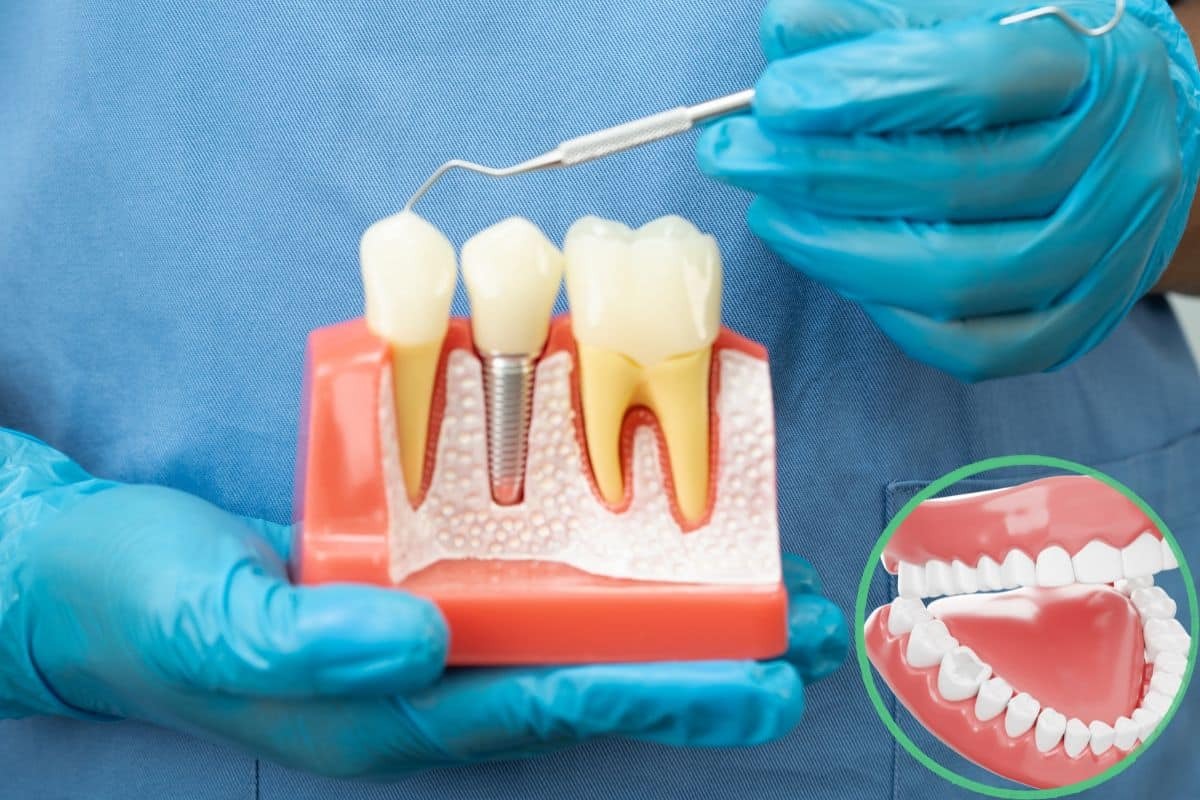
Dental implants replace missing teeth at the root level. A titanium post is surgically placed into the jawbone, where it fuses with the bone over several months. A custom porcelain crown is then attached on top. The result is a tooth that looks, feels, and functions just like a natural one and stays permanently fixed in your mouth.
Dentures are removable prosthetics that rest on the gum line. Traditional full dentures replace an entire arch of teeth, while partial dentures fill in gaps when some natural teeth remain. They’re held in place by suction, adhesives, or clasps, and they can be removed for cleaning and sleeping.
Comfort and Daily Function
Implants win here by a wide margin for most patients. Because they’re anchored in the bone, implants don’t move, slip, or cause sore spots. You can eat steak, corn on the cob, and apples without a second thought. Speech is completely natural.
Dentures, particularly in the early adjustment period, can feel bulky and may shift during eating or speaking. Many patients require adhesives for confidence, and hard or sticky foods often remain off-limits. Over time, as the jawbone underneath a denture resorbs, the fit worsens, and relining or replacement becomes necessary.
Bone Health: A Critical Difference
This is one of the most important factors that dentists consider, and one that patients often don’t know about. When a tooth root is missing, the jawbone in that area begins to shrink through a process called bone resorption. Dentures sit on top of the gum and provide no stimulation to the bone, so resorption continues underneath them.
Implants, by contrast, stimulate the jawbone the same way a natural tooth root does. This means they actively prevent bone loss, preserving your facial structure and preventing the ‘sunken’ appearance that long-term denture wearers often experience.
Who Is the Best Candidate for Each?
Implants are ideal for patients with good jawbone density, healthy gums, and no uncontrolled systemic conditions. Patients who smoke are at higher risk of implant failure and will be counseled accordingly.
Dentures are a better fit for patients who cannot undergo surgery for medical reasons, who have significant bone loss that makes implant placement difficult without grafting, or who prefer a non-surgical solution.
Implant-supported dentures offer a middle path: two to four implants anchor a full denture, eliminating slippage while being more affordable than individual implants for every tooth.
Talk to Our Denver Team
At Primary Dental, Dr. Williamson and his team take the time to review your imaging, bone health, and goals before recommending any tooth replacement option. There’s no one-size-fits-all answer, just the right answer for you.
Schedule a consultation at (303) 433-1239 or book an online appointment.
Share: