
5801 W 44th Ave Unit C, Denver, CO 80212, United States

My Dental Implant Fell Out: What Should I Do?
Posted On August 30, 2024
Dental implants are one of the most reliable and long-lasting solutions for replacing missing teeth. Designed to function like natural tooth roots, they restore both appearance and function. However, if you suddenly find yourself thinking, “My dental implant fell out, what now?” it can feel alarming.
The good news is that while this situation is uncommon, it is treatable. Acting quickly and understanding the cause can make a big difference in saving your smile and preventing further complications.
Understanding Dental Implants
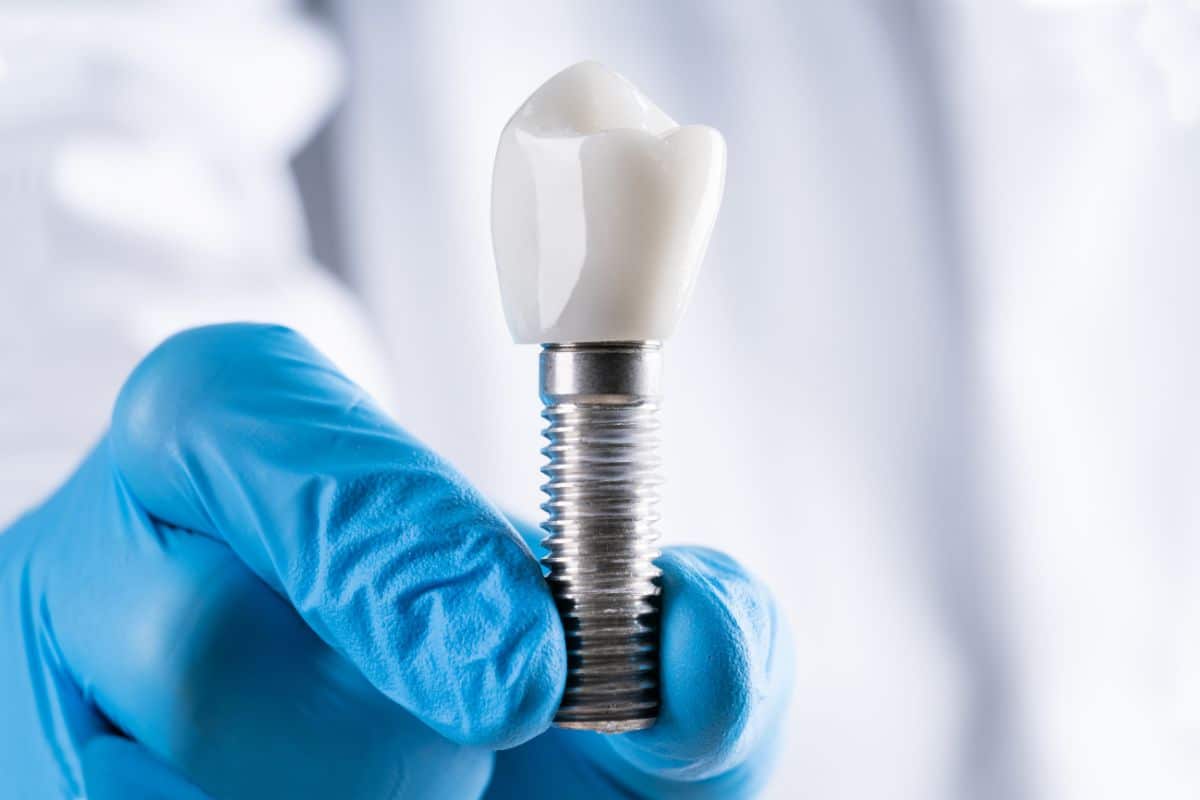
Dental implants are small titanium posts placed into the jawbone to replace missing tooth roots. Once they fuse with the bone through a process called osseointegration, they provide a strong foundation for crowns, bridges, or dentures.
Because of this integration, implants are designed to stay in place for many years, often decades. So if something falls out, it’s important to determine exactly what happened.
Did the Implant Really Fall Out?
Before you panic, know this: in many cases, it’s not the actual implant that fell out. It could be:
- The crown (visible tooth)
- The abutment (connector piece)
- A healing cap or screw
These components can loosen due to pressure or minor mechanical issues and are often easier to fix.
However, if the implant post itself has come out, it may indicate a more serious issue that needs immediate professional attention.
What to Do Immediately
If your dental implant or part of it falls out, follow these steps:
Stay Calm and Act Quickly
There’s no need to panic, but you should treat this as a dental urgency.
Retrieve the Piece
If possible, carefully pick up the implant or component and keep it safe. Your dentist may need it for evaluation or reattachment.
Rinse Gently
Clean the piece with water only; avoid soap or chemicals that could damage it.
Protect the Area
Avoid chewing on the affected side and keep the area clean to prevent infection.
Contact Your Dentist Immediately
This is the most important step. Early intervention can sometimes save the implant or prevent further damage.
If you’re experiencing this issue, don’t wait; visit our dental office as soon as possible for professional care.
Why Do Dental Implants Fall Out?
Although dental implants have a high success rate, certain factors can lead to failure.
1. Poor Osseointegration
If the implant doesn’t properly fuse with the jawbone, it can loosen and fall out over time.
2. Gum Disease (Peri-Implantitis)
Infection around the implant can damage surrounding bone and tissues, causing instability.
3. Excessive Pressure or Trauma
Teeth grinding, biting hard foods, or injury can put stress on the implant and loosen it.
4. Bone Loss or Low Bone Density
Without adequate support, the implant may not remain secure.
5. Mechanical Issues
Loose screws, worn components, or improper placement can lead to parts falling out.
Warning Signs Before an Implant Falls Out
In many cases, your body gives early warning signs before complete failure:
- The implant feels loose or moves
- Pain or discomfort while chewing
- Swelling or redness around the gums
- Bad taste or odor
- Difficulty biting or speaking
If you notice any of these symptoms, it’s best to book an appointment right away to prevent further complications.
Can a Dental Implant Be Fixed?
Yes – depending on the cause, your dentist may be able to:
- Reattach a loose crown or abutment
- Replace a damaged component
- Treat the infection and stabilize the area
- Perform a bone graft and place a new implant later
In many situations, especially when addressed early, the solution is simpler than patients expect.
What Happens If You Ignore It?
Delaying treatment can lead to:
- Bone loss in the jaw
- Gum infection spreading to the surrounding areas
- Difficulty replacing the implant later
- Higher treatment costs
Prompt care is essential to protect your oral health and long-term results.
How to Prevent Future Implant Issues
Taking care of your dental implants is key to their longevity:
- Brush and floss daily around the implant
- Avoid chewing hard foods or ice
- Wear a night guard if you grind your teeth
- Schedule regular dental checkups
- Address any discomfort or looseness early
With proper care, dental implants can last many years and continue to function like natural teeth.
Trust Primary Dental for Expert Implant Care
If your dental implant has fallen out or feels loose, expert care matters. At Primary Dental, our experienced team is here to diagnose the issue, restore your smile, and help you avoid future complications.
Don’t ignore the problem. Book an appointment today and let us help you get back to a healthy, confident smile.
Frequently Asked Questions
1. Is it normal for dental implants to fall out?
No, dental implants are designed to be permanent. If one falls out, it usually indicates an underlying issue that needs professional evaluation.
2. Can a fallen dental implant be reinserted?
In some cases, yes, especially if addressed quickly. However, it depends on the cause and condition of the surrounding bone.
3. How urgent is it if my dental implant falls out?
It’s considered a dental emergency. You should contact your dentist immediately to prevent complications.
4. Will I need a new implant if mine falls out?
Not always. Sometimes only a component needs replacement, but in other cases, a new implant may be necessary after healing.
5. Does implant failure hurt?
It can cause discomfort, swelling, or looseness, but not all cases are painful. Even without pain, you should seek care right away.
6. How long do dental implants typically last?
With proper care, dental implants can last 15–25 years or more, making them a long-term solution for missing teeth.
Share: