
5801 W 44th Ave Unit C, Denver, CO 80212, United States

What Is a Molar Tooth Implant and When Is It Needed?
Posted On December 4, 2025
Losing a molar tooth due to injury, decay, or other reasons can raise questions about your options for replacement. While dentures or bridges are common choices, tooth implants offer a more permanent, natural-looking solution. In the heart of Denver, where active lifestyles and outdoor adventures can sometimes lead to dental accidents, this is an effective option. Molar tooth restorations provide a reliable way to restore both function and appearance. However, how do you know if this procedure is the right choice for you? Let’s examine what they are, when needed, and why they might be ideal for your dental needs.
What Are Molar Tooth Implants?
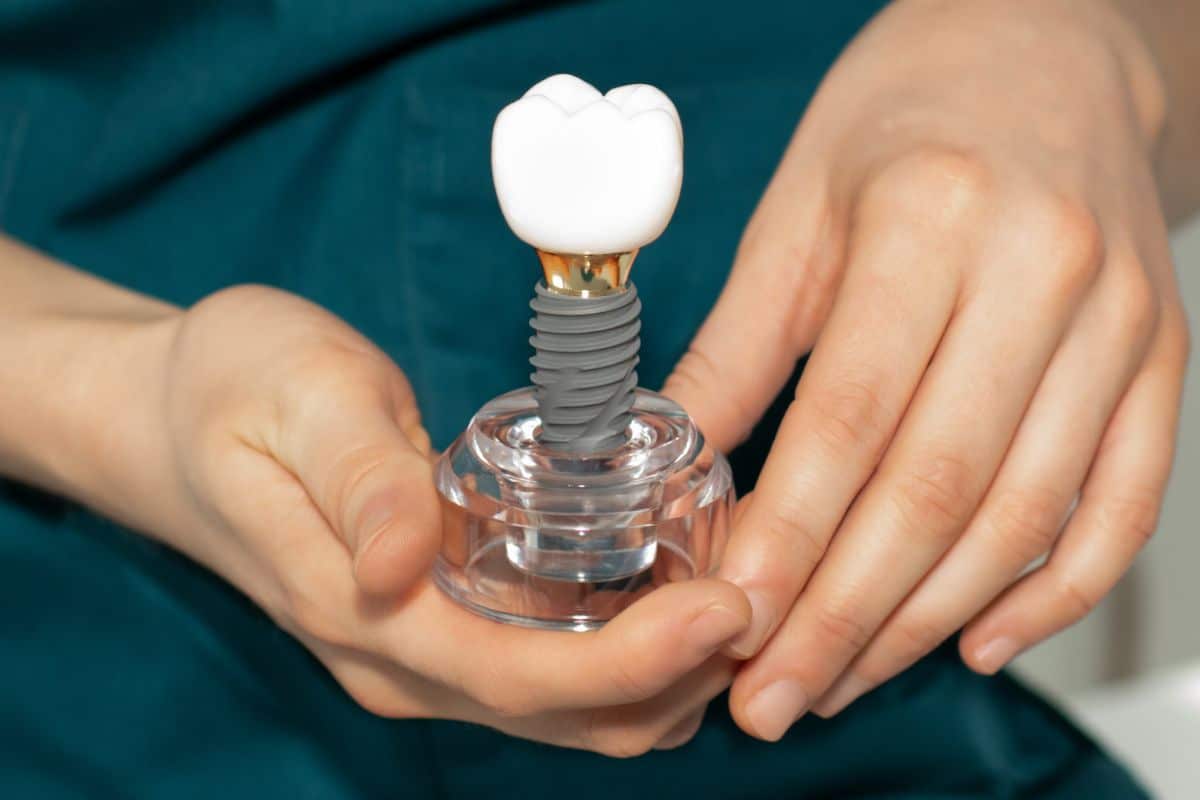
A molar tooth restoration is a surgical procedure used to replace a missing molar. The process involves inserting a titanium post into the jawbone, acting as a replacement root for the tooth. Over time, this post fuses with the bone in a process called osseointegration, providing a strong, durable foundation for a crown to be placed on top. This results in a restored tooth that looks and functions like a natural one. For residents of Denver, a city known for its high-altitude sports and bustling dining scene, having a functional and aesthetically pleasing molar can make a big difference in your daily life.
Unlike dentures, which can slip or require adjustments, dental implants are permanent and don’t require removal for cleaning. They offer a more natural look and feel, helping you chew comfortably and smile confidently once again.
When Are Molar Tooth Implants Needed?
Molar tooth restorations are typically needed when a molar is lost or severely damaged beyond repair. There are several reasons why a person might require a molar replacement, including:
- Tooth Decay: Severe decay that cannot be treated with a root canal may necessitate extraction and replacement with a restoration.
- Trauma or Injury: Accidents or sports-related injuries in Denver may lead to a lost or damaged molar.
- Gum Disease: If gum disease leads to bone loss, a tooth may become loose or fall out, requiring these prosthetic teeth to restore the gap.
- Failed Previous Treatments: Sometimes fillings or root canals fail, leaving the tooth vulnerable to further damage and prompting the need for a restoration.
For anyone in this city looking to restore their dental health, these permanent tooth replacements can help maintain proper jaw function. Visit our dental office to prevent any further complications.
Why Choose Molar Tooth Implants?
Dental restorations offer several advantages over traditional tooth replacements, making them a popular choice for many patients. Here are some of the benefits:
- Long-lasting: Unlike bridges or dentures, these permanent tooth replacements can last a lifetime with proper care.
- Improved Functionality: These prosthetic teeth allow you to chew normally, even with back teeth, which is essential for maintaining a healthy diet.
- Bone Health: They help preserve bone density, which can deteriorate when a tooth is missing.
- No Need for Adjacent Teeth Alteration: Unlike bridges, implants do not require altering nearby teeth for support.
By restoring molar teeth, dental restorations help maintain your overall oral health, prevent the shifting of other teeth, and improve your quality of life.
The Molar Implant Procedure: What to Expect
Here’s a quick breakdown of the steps involved in this procedure:
Initial Consultation and Planning
Your first visit to our dental office will involve a thorough examination, including X-rays or 3D scans, to assess the health of your jawbone and determine if you’re a good candidate for a molar restoration. If your jawbone is insufficient, a bone graft may be recommended.
Surgery and Post-Op Care
The titanium post is surgically placed into the jawbone, where it will fuse over the next few months. During this time, your dentist may fit you with a temporary crown. After the healing process, a permanent crown will be placed.
Final Touches and Care
Once the restoration has fully integrated, your permanent crown will be attached to the post. This gives you a functional, natural-looking tooth. Regular check-ups will ensure it remains healthy and secure. Book an appointment with us for your implant consultation and take the first step.
Benefits of Molar Tooth Implants Over Other Options
These are the advantages of choosing this treatment over other alternatives:
- Stable and Permanent: They are anchored into your jawbone, providing a stable and long-lasting solution.
- Natural Feel and Look: These prosthetic teeth are designed to blend seamlessly with your existing teeth, making them virtually indistinguishable from natural teeth.
- Protects Other Teeth: Unlike bridges, which rely on neighboring teeth for support, they don’t impact other teeth, helping to preserve their health.
Restore Your Molar Teeth with Our Professional Care
At Primary Dental, we are committed to restoring your smile with dental restorations that are both functional and natural-looking. Whether you’re missing one molar or several, we offer an effective, long-term solution. We guide you through every step of the process, from your initial consultation to aftercare. Our team is ensuring that your experience is as smooth and comfortable as possible.
If you’re considering a molar tooth implant, visit us to schedule a consultation. Learn more about how this procedure can improve your quality of life.
FAQs
1. How long does the molar implant procedure take?
The entire process can take several months, as it involves both the placement of the post and the healing time required for the bone to fuse with it. The actual surgery takes about 1-2 hours.
2. Are molar tooth implants painful?
While the procedure is done under local anesthesia, some discomfort may be felt during the healing period. However, most patients find that the discomfort is manageable with over-the-counter pain relievers.
3. How do molar implants compare to bridges?
These restorations offer a more permanent solution than bridges, which may require periodic adjustments. Bridges also require the alteration of adjacent teeth, while these permanent tooth replacements do not.
4. How long do molar tooth implants last?
With proper care and maintenance, dental restoration can last a lifetime, making it a durable and effective option in the long run.
5. Can I eat normally after getting a molar implant?
Yes, after the surgical area is fully healed and the crown is placed, you can eat a variety of foods just as you would with natural teeth. It’s important to follow your dentist’s care instructions during the healing process.
Share: