
5801 W 44th Ave Unit C, Denver, CO 80212, United States

Who is a good candidate for dental implants?
Posted On April 9, 2024
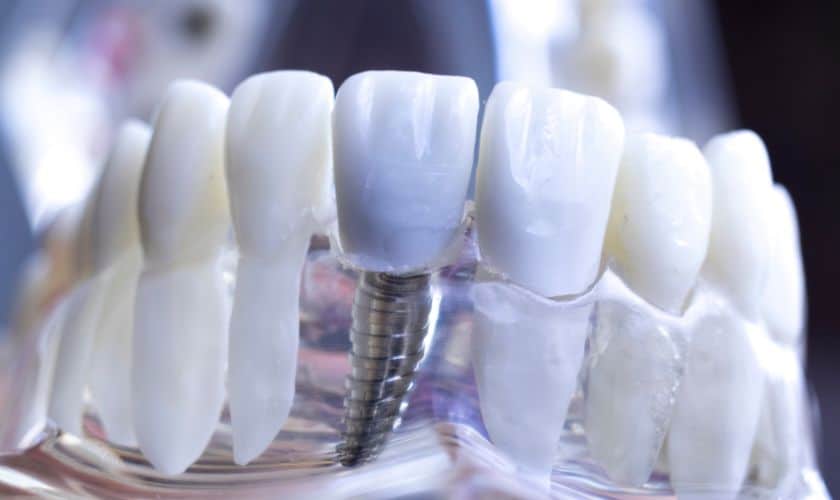
Dental implants are a popular and innovative tooth replacement option. Unlike dentures or bridges, implants are surgically placed in the jawbone as a replacement tooth root. This provides a strong foundation for a dental crown, creating a natural-looking and functional tooth replacement. But are dental implants right for everyone?
This blog post will explore the key factors that determine your candidacy for dental implants and provide some insight into the consultation process.
Factors Influencing Your Candidacy for Dental Implants
Several factors influence whether dental implants are the best solution for your missing teeth. Let’s delve into some of the most important ones:
1. Overall Health
Dental implant surgery is a minor surgical procedure. While generally safe, being in good overall health is crucial for optimal healing and implant success. Your dentist will likely ask about any pre-existing medical conditions you have, such as diabetes, heart disease, or uncontrolled autoimmune disorders. These conditions can sometimes impact healing or increase the risk of infection. Being upfront with your dentist about your health allows them to assess your candidacy and develop a personalized treatment plan.
2. Oral Health
Healthy gums and jawbones are essential for successful dental implant placement. Your dentist will assess your gums for signs of gum disease, also known as periodontitis. Untreated gum disease can lead to bone loss, jeopardizing the implant’s stability. If you have gum disease, treatment will likely be necessary before implant surgery can proceed.
3. Jawbone Density
Dental implants rely on sufficient jawbone density for secure osseointegration, where the implant fuses with the jawbone. If you’ve experienced bone loss due to missing teeth for a long time, you might require bone grafting procedures to build up the jawbone before implant placement. A dentist specializing in Dental Implants in Denver can assess your jawbone health with X-rays and CT scans to determine if bone grafting is necessary.
4. Commitment to Oral Hygiene
Dental implants require the same meticulous oral hygiene as natural teeth. Regular brushing, flossing, and professional cleanings are crucial for maintaining the health of the gums and surrounding teeth. Poor oral hygiene can lead to peri-implantitis, an infection around the implant that can loosen and potentially lead to implant failure. Dental implants might not be the most suitable option if you’re not committed to a good oral hygiene routine.
5. Smoking Habits
Smoking can significantly hinder healing and increase the risk of implant failure. Smoking constricts blood vessels, impeding blood flow to the implant site, and impacts osseointegration. If you’re a smoker, quitting before and after implant surgery is highly recommended to improve the chances of successful implant placement and long-term implant health.
Considering Dental Implants?
If you’re considering dental implants to replace missing teeth and restore your smile, a consultation with a qualified dentist experienced in Dental Implants in Denver is the first step. During the consultation, the dentist will:
- Conduct a thorough examination of your mouth and teeth, including X-rays or CT scans, to assess your jawbone health.
- Discuss your medical history and any medications you’re taking.
- Review your desired cosmetic and functional goals for your smile.
- Explain the dental implant procedure in detail, including potential risks and complications.
- Develop a personalized treatment plan based on your specific needs and candidacy.
- Discuss the cost of dental implants and available payment options.
The Benefits of Choosing Dental Implants
Dental implants offer numerous advantages over traditional tooth replacement options like dentures or bridges. Here are some of the key benefits:
- Improved Aesthetics: Dental implants look and function like natural teeth, providing a natural-looking smile that boosts confidence.
- Enhanced Functionality: Implants allow you to eat, speak, and smile confidently and efficiently.
- Durability: Dental implants are durable and can last a lifetime with proper care.
- Improved Oral Health: Unlike dentures, which can contribute to bone loss, implants stimulate the jawbone, preventing further bone loss.
- Long-Term Investment: While the initial cost of dental implants may be higher than other options, their longevity and minimal maintenance needs make them a cost-effective investment in the long run.
Taking the Next Step
If you want to learn more about dental implants and whether they’re right, schedule a consultation with a dentist specializing in Dental Implants in Denver. A qualified dentist can assess your candidacy and discuss the treatment options available to restore your smile and improve your oral health.
Additional Considerations for Dental Implants
While the factors mentioned above are crucial, there are a few other things to keep in mind:
- Age: While dental implants have no strict age limit, your jawbone development should be complete. Typically, dentists recommend waiting until after age 18 for implant placement.
- Sinus Cavity Location (Upper Jaw): The location of the sinus cavity in the upper jaw can sometimes pose a challenge for implant placement. However, experienced dentists can often navigate this using specialized techniques like sinus lift procedures.
- Nerve Location (Lower Jaw): The lower jaw houses the inferior alveolar nerve, which supplies sensation to the lower lip and chin. Careful planning and advanced surgical techniques ensure safe implant placement away from the nerve.
Cost of Dental Implants
The cost of dental implants in Denver can vary depending on several factors, including:
- The number of implants required
- The complexity of the surgery
- The type of dental crown used
- The dentist’s experience and qualifications
- Geographic location
Generally, dental implants are a more expensive option than dentures or bridges. However, their long-term durability, minimal maintenance needs, and improved oral health benefits can make them a cost-effective investment in the long run. The dentist will provide a detailed cost breakdown during your consultation for your specific treatment plan.
Financing Your Dental Implants
Many dental practices and financial institutions offer financing options to help make dental implants more accessible. Discuss financing options with your dentist to determine the best way to manage the cost of your treatment.
Dental implants offer a life-changing solution for replacing missing teeth and restoring a beautiful, functional smile. If you’re considering dental implants in Denver, schedule a consultation with a qualified dentist experienced in implant dentistry. They can assess your candidacy, discuss the treatment process, and answer any questions you may have to help you make an informed decision about your oral health.
Share: