
5801 W 44th Ave Unit C, Denver, CO 80212, United States

Straight Teeth and Better Health: How Orthodontic Care Makes a Difference
Posted On August 14, 2026
A confident smile is nice to have. But did you know that crooked or misaligned teeth can affect far more than your appearance? From chewing efficiency to gum health to even your sleep quality, the way your teeth are aligned plays a surprisingly large role in your overall wellbeing.
That’s where orthodontic care comes in. It’s not just about achieving a picture-perfect smile it’s a proven path to better oral and physical health. In this post, we’ll break down exactly how orthodontic care improves your health, what problems it can prevent, and what to expect if you’re considering treatment.
What Is Orthodontic Care, Exactly?
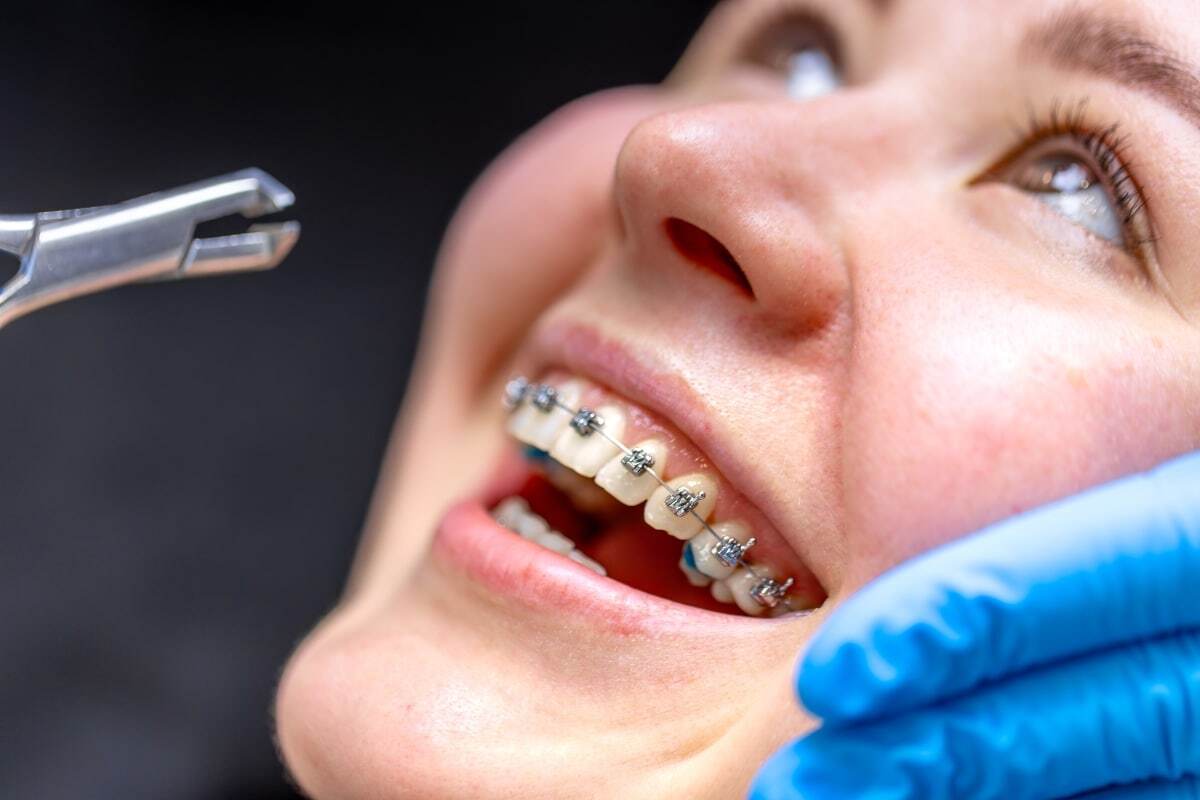
Orthodontic care is a branch of dentistry focused on diagnosing, preventing, and correcting misaligned teeth and jaws. It includes treatments like:
- Traditional metal or ceramic braces
- Clear aligners (such as Invisalign)
- Retainers
- Palatal expanders for children and teens
While many people associate orthodontics with teenagers and metal braces, modern orthodontic care serves patients of nearly every age, using more comfortable and often less visible options than ever before.
Why Straight Teeth Matter for Your Health
1. Easier, More Effective Cleaning
Crowded or overlapping teeth create tight spaces that toothbrushes and floss struggle to reach. Over time, this leads to plaque buildup, cavities, and gum disease.
Straightening your teeth through orthodontic care makes daily brushing and flossing far more effective, reducing your risk of decay and infection.
2. Reduced Risk of Gum Disease
Misaligned teeth put uneven pressure on your gums, which can cause irritation, recession, and inflammation. Left untreated, this can progress into periodontal disease a leading cause of adult tooth loss.
Properly aligned teeth distribute bite pressure evenly, helping protect your gums and supporting bone structure.
3. Better Chewing and Digestion
A misaligned bite (also called malocclusion) can make chewing food difficult or inefficient. This forces your digestive system to work harder to break down larger food particles.
Orthodontic care corrects bite alignment, improving how you chew and, in turn, supporting better digestion.
4. Fewer Headaches and Jaw Pain
Bite misalignment can strain your jaw joints and muscles, sometimes leading to TMJ (temporomandibular joint) disorders. Symptoms often include:
- Chronic headaches
- Jaw clicking or popping
- Facial or neck pain
Correcting your bite through orthodontic treatment can significantly ease or eliminate these symptoms for many patients.
5. Improved Speech
Teeth alignment affects how your tongue interacts with your teeth and palate when forming sounds. Some speech issues, like lisps or whistling sounds, can improve with orthodontic correction.
6. Better Sleep and Breathing
In some cases, jaw and bite misalignment contribute to airway restriction, which can worsen snoring or sleep apnea symptoms. Orthodontic care sometimes combined with other treatments can help open the airway and support healthier breathing during sleep.
Orthodontic Care Isn’t Just Cosmetic
It’s easy to think of braces or aligners as purely cosmetic tools. In reality, they’re preventive healthcare. Addressing alignment issues early can help you avoid:
- Costly restorative dental work down the road
- Chronic pain conditions
- Increased risk of tooth loss
- Long-term digestive strain
Think of orthodontic care as an investment not just in your smile, but in your long-term health.
Who Should Consider Orthodontic Treatment?
Orthodontic care can benefit people of nearly any age, though early evaluation is often helpful. You might consider a consultation if you experience:
- Crowded, overlapping, or gapped teeth
- Difficulty chewing or biting
- Frequent jaw pain or clicking
- Mouth breathing or snoring
- Noticeable bite misalignment (overbite, underbite, or crossbite)
If any of these sound familiar, it may be time to talk to a professional.
Finding the Right Orthodontic Care Near You
If you’re searching for a trusted Denver dentist to guide you through orthodontic treatment, it helps to choose a practice that takes a whole-health approach not just a cosmetic one. A good provider will evaluate your bite, jaw alignment, and oral health history before recommending a treatment plan tailored to you.
At Primary Dental in Denver, CO 80212, our team focuses on more than straight teeth we focus on your long-term oral and overall health. Whether you’re exploring braces, clear aligners, or simply want an expert opinion on your bite, we’re here to help you make an informed decision.
Final Thoughts
Straight teeth do more than boost your confidence they play a real role in protecting your gums, easing jaw tension, supporting digestion, and even improving your sleep. Orthodontic care is a meaningful step toward better whole-body health, not just a better-looking smile.
If you’ve been putting off addressing your bite or alignment concerns, now is a great time to explore your options.
Schedule your appointment today with Primary Dental in Denver, CO, and take the first step toward a healthier, more confident smile.
Questions Our Patients Often Ask
Is orthodontic treatment only for kids and teens?
Not at all. Many adults pursue orthodontic care successfully, and modern options like clear aligners make treatment more discreet and convenient than ever.
Will braces or aligners hurt?
Some mild discomfort or pressure is normal for the first few days after adjustments, but it’s typically manageable and fades quickly.
How long does orthodontic treatment usually take?
Treatment time varies by case, but many patients complete treatment within 12 to 24 months. Your provider can give you a personalized estimate after an evaluation.
Can orthodontic care really help with headaches or jaw pain?
Yes, in many cases. When jaw pain is caused by bite misalignment, correcting that alignment can reduce muscle strain and ease symptoms.
Do I need a referral to see an orthodontic provider?
Usually not. You can schedule a consultation directly to discuss your concerns and find out if treatment is right for you.
What’s the first step if I think I need orthodontic care?
The best place to start is a consultation. A simple evaluation can determine whether treatment is recommended and what options fit your needs and lifestyle.
Share: