
5801 W 44th Ave Unit C, Denver, CO 80212, United States

4 Signs You May Need a Root Canal
Posted On March 22, 2023
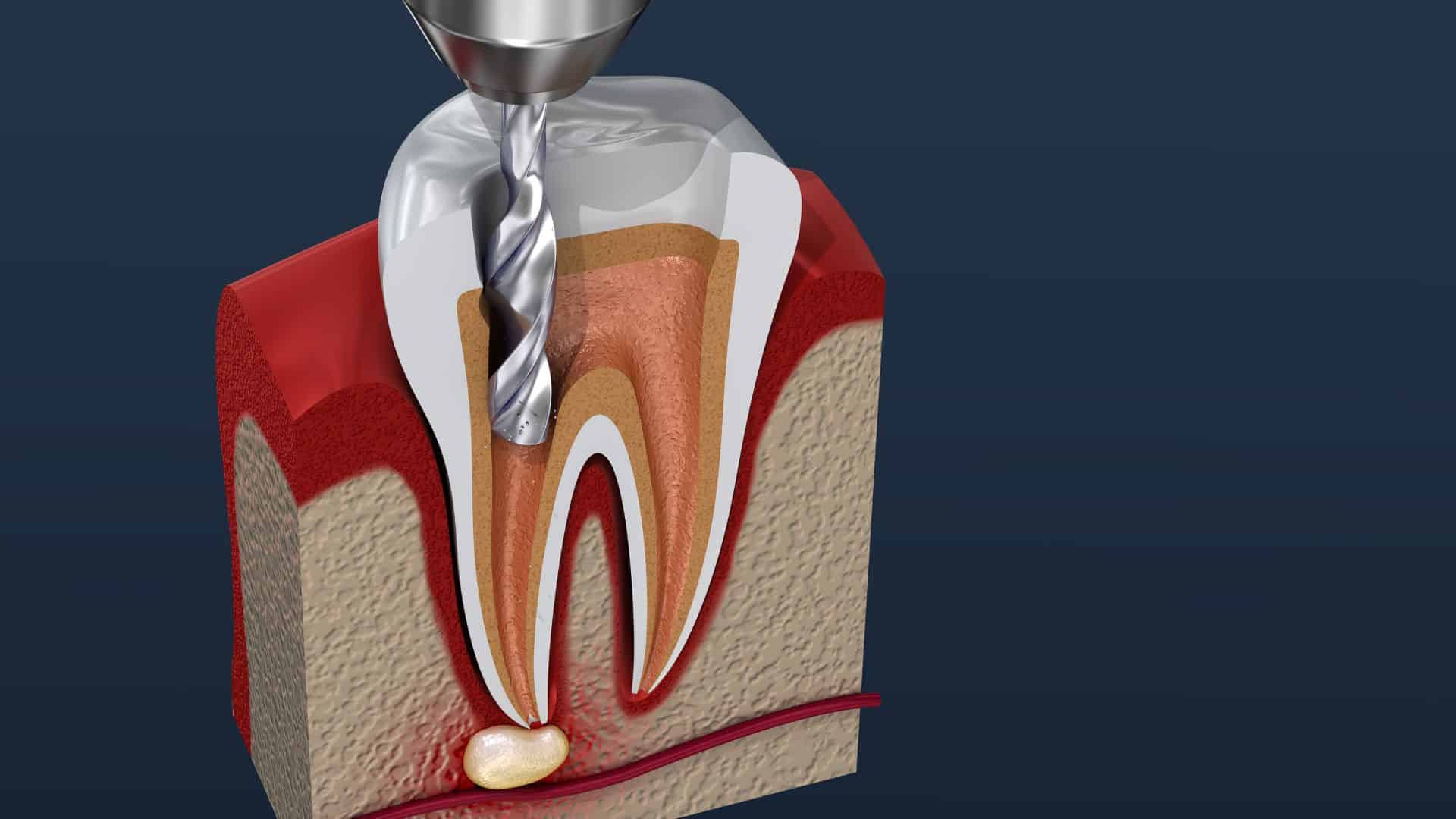
A root canal is a dental procedure designed to treat and save a tooth that has become severely infected or damaged. Understanding when you might need a root canal can help you seek timely treatment and avoid more severe dental issues. Here are four common signs that you may need a root canal.
1. Persistent Tooth Pain
One of the most evident signs that you might need a root canal is persistent tooth pain. This discomfort can manifest as:
- Dull or Sharp Pain: You may experience a dull, aching pain or sharp, intense pain that doesn’t seem to go away. This pain can be intermittent or constant and may worsen over time.
- Pain While Chewing: You might notice that the pain intensifies when you chew or apply pressure to the affected tooth. This is often a sign that the inner tissues of the tooth are inflamed or infected.
If you have persistent tooth pain, it’s crucial to visit a dentist as soon as possible. Ignoring the pain can lead to further complications and may increase the risk of tooth loss.
2. Sensitivity to Temperature
Sensitivity to hot or cold temperatures can also indicate a problem with the tooth’s pulp, the innermost part of the tooth where nerves and blood vessels reside. Symptoms of temperature sensitivity include:
- Sharp Sensations: You may experience a sharp, throbbing sensation when consuming hot or cold foods and beverages.
- Lingering Sensitivity: The sensitivity may linger for a few seconds or minutes after consuming hot or cold items. This prolonged discomfort suggests that the nerve inside the tooth is affected.
Temperature sensitivity can be a sign of decay or damage within the tooth, which may require a root canal to resolve.
3. Swelling and Tenderness
Swelling and tenderness in the gum tissue near a tooth can be a significant indicator that you need a root canal. These symptoms may appear as:
- Localized Swelling: Swelling around the tooth or in the gum area can be a sign of infection or an abscess. This localized swelling may be accompanied by tenderness or pain.
- Gum Tenderness: The gums near the affected tooth may become red, swollen, and tender to the touch. This tenderness often indicates an inflammatory response due to an infection.
If you notice swelling or tenderness in your gums, it’s essential to consult with a dentist to determine the underlying cause and appropriate treatment.
4. Discoloration of the Tooth
Tooth discoloration can be another sign that a root canal may be necessary. This can appear as:
- Darkening of the Tooth: The affected tooth may darken or become discolored compared to the surrounding teeth. This color change often indicates that the tooth’s pulp is damaged or necrotic (dead).
- Changes in Appearance: The tooth may also appear grayish or have an unusual hue. This discoloration usually results from bleeding within the tooth or a bacterial infection affecting the pulp.
If you notice a significant change in the color of one of your teeth, it’s essential to seek dental evaluation to determine if a root canal is required.
What to Do If You Experience These Symptoms
If you recognize any of these signs, it’s important to take action:
- Schedule a Dental Appointment: Contact your dentist to schedule an appointment as soon as possible. Early diagnosis and treatment can help prevent further complications and preserve your tooth.
- Avoid Pain Triggers: In the meantime, try to avoid foods and beverages that trigger pain or sensitivity. Over-the-counter pain relievers can help manage discomfort but should not be a substitute for professional care.
- Maintain Good Oral Hygiene: Continue practicing good oral hygiene to keep your mouth clean and reduce the risk of further infection.
Recognizing the signs that you may need a root canal is crucial for maintaining your dental health. Persistent tooth pain, temperature sensitivity, swelling and tenderness, and tooth discoloration are common indicators that the inner tissues of your tooth may be damaged or infected. If you experience any of these symptoms, seek professional dental care promptly. Root canal therapy can save your tooth and restore your oral health, allowing you to continue enjoying a healthy, pain-free smile.
Share: