
5801 W 44th Ave Unit C, Denver, CO 80212, United States

Is a Root Canal Procedure Considered Surgery?
Posted On November 29, 2024
If your dentist just mentioned you might need a root canal, it’s natural to feel a little nervous. One of the first questions many patients ask is: “Wait, is this surgery?” It’s a fair question, and the answer can actually put your mind at ease.
The short answer is no: a root canal procedure is not considered major surgery. It’s a routine, minimally invasive dental procedure performed millions of times every year to save damaged teeth. In this guide, we’ll break down exactly what a root canal involves, why it’s different from surgery, and what you can expect if you need one.
What Is a Root Canal, Exactly?
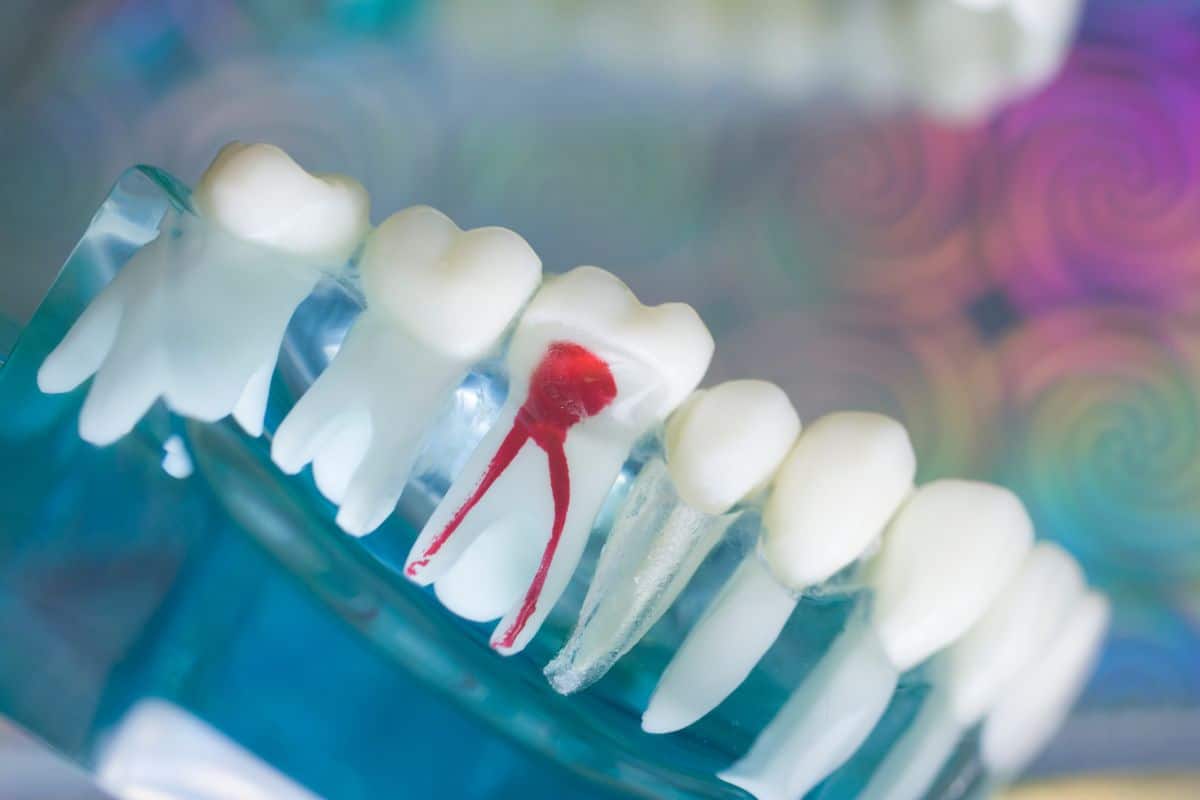
A root canal is a dental treatment used to repair and save a tooth that’s badly decayed or infected. Inside every tooth is a soft tissue called pulp, which contains nerves and blood vessels.
When bacteria reach this pulp usually through a deep cavity, crack, or injury it can become inflamed or infected. Left untreated, this can lead to serious pain, abscesses, or even tooth loss.
During a root canal, your dentist:
- Removes the infected or damaged pulp
- Cleans and disinfects the inside of the tooth
- Fills and seals the space to prevent future infection
- Often places a crown afterward to restore strength
Root Canal vs. Surgery: What’s the Difference?
This is where a lot of confusion comes from. Surgery typically involves cutting into tissue, often requires general anesthesia, and comes with a longer, more involved recovery process.
A root canal, on the other hand, is performed using local anesthesia only. You stay awake, comfortable, and alert throughout the entire visit.
Why a Root Canal Isn’t Classified as Surgery
Here’s why dental professionals don’t categorize this treatment as surgical:
- No incisions are made treatment happens through the natural opening at the top of the tooth
- No general anesthesia is required just numbing at the treatment site
- Recovery is quick most patients return to normal activities within a day
- It’s performed in a standard dental chair, not an operating room
Think of it less like “surgery” and more like a deep cleaning for the inside of your tooth.
Why People Assume It’s Surgery (And Why That Fear Is Outdated)
The reputation of root canals being painful or invasive comes largely from decades-old dental practices and word-of-mouth horror stories. Modern dentistry has changed dramatically.
Thanks to advanced numbing techniques, digital imaging, and modern instruments, most patients report that a root canal feels similar to getting a routine filling. In fact, the infection causing your tooth pain is usually far more uncomfortable than the treatment itself.
What Actually Happens During the Procedure
Understanding the process step-by-step can help ease anxiety. Here’s a simple breakdown:
- Numbing the area: Local anesthesia ensures you won’t feel pain during treatment.
- Creating a small access point: A tiny opening is made in the top of the tooth.
- Removing infected pulp: Specialized tools clean out damaged tissue.
- Disinfecting the canal: The space is thoroughly cleaned to remove bacteria.
- Sealing the tooth: A biocompatible material fills the space.
- Restoring the tooth: A filling or crown protects the tooth long-term.
The entire visit usually takes 60–90 minutes, depending on the tooth’s location and severity of infection.
Recovery: What to Expect Afterward
Unlike surgical recovery, healing after a root canal procedure is typically fast and manageable.
Most patients experience:
- Mild soreness for a day or two
- Slight sensitivity when chewing
- Little to no downtime
Over-the-counter pain relievers are usually enough to manage any discomfort. Many people return to work or school the very same day.
When Is a Root Canal Necessary?
Your dentist may recommend this treatment if you’re experiencing:
- Persistent tooth pain, especially when chewing
- Sensitivity to hot or cold that lingers
- Swelling or tenderness in the gums
- A darkening or discoloration of the tooth
- A recurring pimple-like bump on the gums
Catching these symptoms early often makes treatment simpler and helps you avoid tooth extraction later on.
Root Canal Alternatives: Is There Another Option?
In some cases, patients wonder if extraction is a simpler alternative. While removing the tooth is possible, it often leads to additional complications, like shifting teeth, bite problems, or the need for a bridge or implant later.
Saving your natural tooth with a root canal is almost always the more cost-effective, long-term solution and it helps preserve your natural bite and smile.
Why Choosing the Right Dental Team Matters
A comfortable, low-stress root canal experience often comes down to the expertise and technology behind it. At Primary Dental in Denver, our team focuses on gentle, modern techniques designed to make treatment as smooth as possible from precise numbing methods to clear communication every step of the way.
If you’re dealing with tooth pain and aren’t sure what’s causing it, getting an evaluation early can save you time, discomfort, and money down the road.
Common Questions Patients Ask Before Treatment
Does a root canal hurt more than a filling?
Not typically. With modern anesthesia, most patients say the sensation feels very similar to having a cavity filled.
How long does it take to recover?
Most people feel back to normal within one to two days, with only mild soreness in between.
Will I need to take time off work?
Usually not. Many patients return to their regular routine the same day as treatment.
Is it better to just have the tooth pulled instead?
Not usually. Saving the natural tooth helps maintain proper chewing function and prevents nearby teeth from shifting.
How do I know if I need this treatment?
Ongoing tooth pain, sensitivity to temperature, or gum swelling are common signs. A dental exam can confirm what’s needed.
Is the procedure safe for most patients?
Yes. It’s one of the most common and well-studied procedures in dentistry, performed safely on patients of nearly all ages.
Final Thoughts: You Don’t Need to Fear This Procedure
So, is a root canal considered surgery? Not in the traditional sense. It’s a routine, minimally invasive treatment designed to relieve pain, stop infection, and save your natural tooth all without the complexity or recovery time associated with actual surgery.
If you’re experiencing tooth pain or think you might need treatment, don’t wait for it to get worse. Early evaluation often means a simpler, more comfortable experience.
Schedule your appointment today with Primary Dental in Denver, and let our team help you get back to a pain-free smile. Visit 5801 W 44th Ave Unit C, Denver, CO 80212, United States to book your visit or ask any questions you may have; we’re here to help every step of the way.
Share: