
5801 W 44th Ave Unit C, Denver, CO 80212, United States

What is the Best Age for Dental Implants?
Posted On August 1, 2024
Dental implants have become a popular and effective solution for replacing missing teeth. They offer a long-lasting and natural-looking alternative to dentures and bridges. However, one common question is, “What is the best age for dental implants?” Let’s explore the factors influencing the ideal age for getting dental implants and the benefits and considerations for different age groups.
Understanding Dental Implants
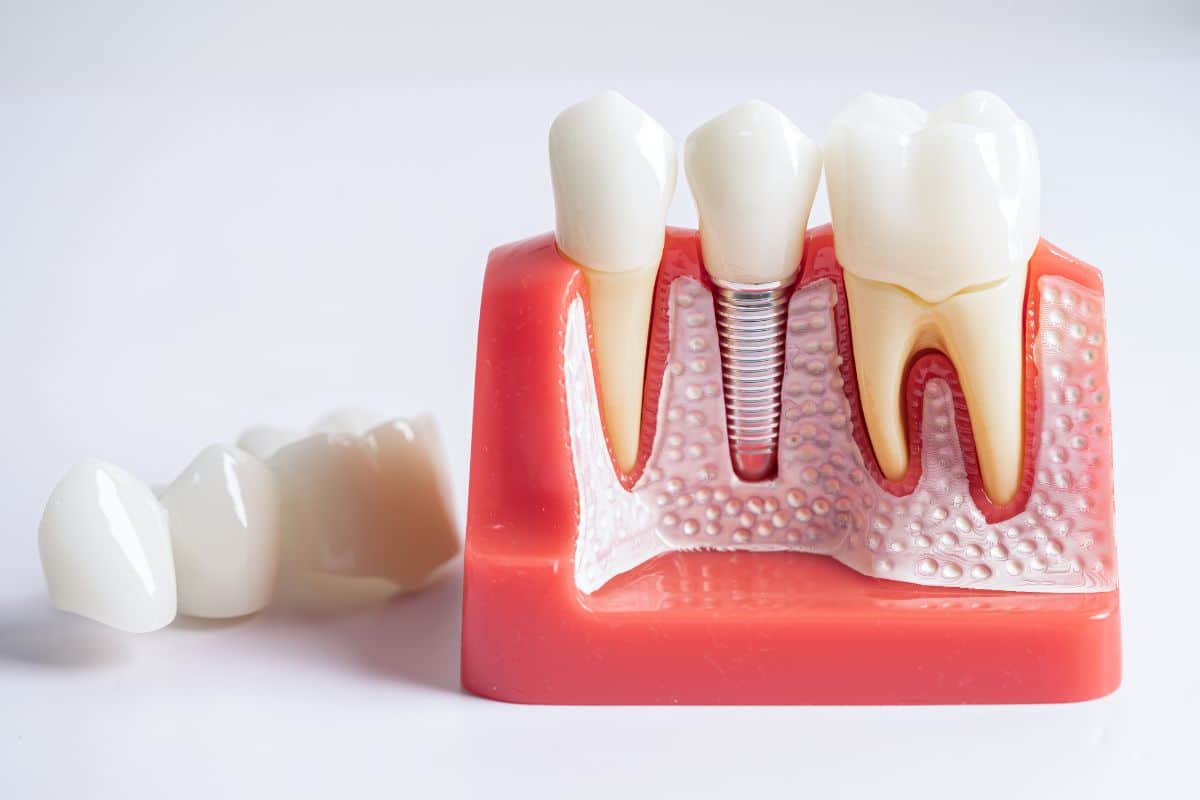
Dental implants are titanium posts surgically placed into the jawbone to serve as artificial tooth roots. Once the implants integrate with the bone, they provide a stable foundation for attaching crowns, bridges, or dentures. This process is known as osseointegration and is crucial for the success and longevity of dental implants.
Why Dental Implants Are Popular
Dental implants have gained popularity due to their numerous advantages:
- Natural Appearance: Dental implants look and feel like natural teeth.
- Durability: With proper care, dental implants can last a lifetime.
- Functionality: Implants restore chewing and speaking abilities.
- Bone Health: Implants stimulate bone growth, preventing bone loss.
Who Can Get Dental Implants?
Almost anyone with good oral and general health can be a candidate for dental implants. However, certain factors such as age, bone density, and overall health must be considered. Let’s delve into these factors and how they impact different age groups.
Best Age for Dental Implants
Determining the best age for dental implants involves understanding each age group’s unique needs and conditions. Dental implants can benefit young adults and seniors significantly, but the considerations vary.
Young Adults (Ages 18-30)
Bone Development
The jawbone is still developing in young adults. It’s essential to ensure that the bone growth has stabilized before placing dental implants. Typically, bone development is complete by the age of 18-21.
Health and Healing
Young adults generally have excellent health and healing capabilities, making them good candidates for dental implants. Their bone density and immune systems are robust, facilitating faster osseointegration.
Aesthetic Considerations
At this age, aesthetics are often a significant concern. Dental implants provide a natural look, boosting confidence and self-esteem.
Middle-Aged Adults (Ages 30-50)
Bone Density
Bone density is typically high in this age group, which is advantageous for the stability of dental implants. Regular dental check-ups ensure that any bone loss is detected early.
Long-Term Benefits
Middle-aged adults benefit significantly from the long-term advantages of dental implants. They provide a permanent solution, eliminating the need for frequent replacements.
Oral Health Maintenance
Maintaining good oral health is crucial. This age group is usually proactive about dental care, making them suitable candidates for dental implants.
Seniors (Ages 50+)
Bone Health Concerns
Bone density decreases with age, which can affect the success of dental implants. However, advancements in bone grafting techniques have made it possible for many seniors to receive implants successfully.
Overall Health
Seniors may have underlying health conditions that must be managed before implant surgery. It’s vital to consult with a healthcare provider to ensure they are fit for the procedure.
Quality of Life
Dental implants can significantly improve the quality of life for seniors by restoring their ability to chew, speak, and smile confidently. The stability and durability of implants are particularly beneficial for this age group.
Factors to Consider at Any Age
Regardless of age, certain factors play a crucial role in determining the suitability for dental implants.
Oral Health
Good oral hygiene and healthy gums are essential for the success of dental implants. Conditions such as gum disease must be treated before the procedure.
Bone Density
Adequate bone density is necessary to support the implant. In cases of insufficient bone, bone grafting procedures can enhance the implant site.
General Health
Overall health impacts the healing process. Conditions like diabetes, heart disease, and smoking can affect the success rate of dental implants. It’s essential to manage these conditions and discuss them with your dentist.
Commitment to Care
Dental implants require ongoing care and maintenance. Regular dental check-ups and proper oral hygiene practices are essential to ensure their longevity.
The Role of Technology
Advancements in dental technology have made dental implants more accessible and successful across all age groups. Innovations such as 3D imaging, computer-guided implant placement, and improved materials have enhanced the precision and outcomes of dental implant procedures.
3D Imaging
3D imaging allows for detailed visualization of the jawbone structure, aiding in accurate implant placement.
Computer-Guided Surgery
Computer-guided surgery ensures precision, reducing the risk of complications and improving the overall success rate.
Improved Materials
Modern materials used in dental implants are more durable and biocompatible, enhancing their integration with the jawbone.
The best age for dental implants varies depending on individual circumstances and health conditions. With the right considerations and preparations, young adults, middle-aged individuals, and seniors can all benefit from dental implants. Booking an appointment with a qualified dentist is crucial to assessing your suitability and developing a personalized treatment plan. Whether you’re considering Dental Implants or elsewhere, understanding the factors involved will help you make an informed decision for a healthier and more confident smile.
Share: